
Nigerian lawyers have endorsed the Office of the Tax Ombud’s efforts to encourage voluntary tax compliance, arguing that stronger confidence between taxpayers and government authorities could improve revenue collection.
The position emerged during a panel session, “Pay Now, Prosper Later,” at the 66th Annual General Conference of the Nigerian Bar Association (NBA) in Port Harcourt, Rivers State.
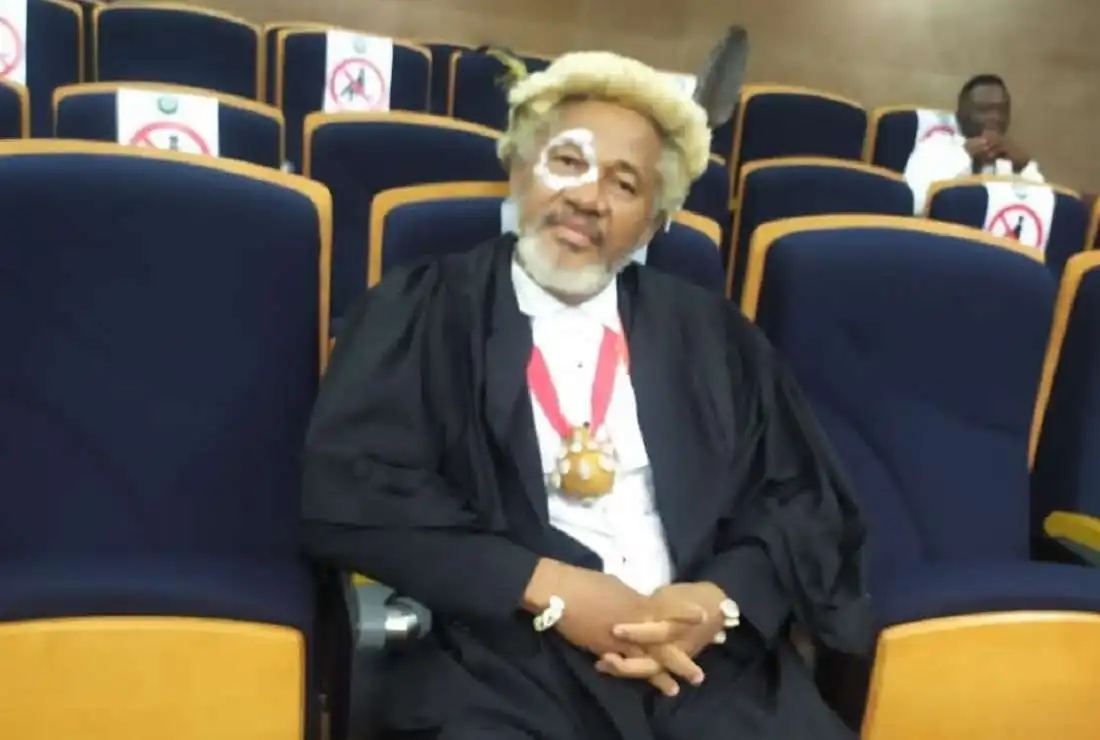
The discussion brought together Tax Ombud and Chief Executive Dr. John Nwabueze, Senior Advocate of Nigeria Ahmed Raji, and other legal professionals to examine how taxation can support infrastructure, public services and broader national development.
Trust as a compliance driver
Participants stressed that asking Nigerians to pay taxes is only part of the equation. Taxpayers also need confidence that complaints will be heard and handled fairly.
Nwabueze said his office provides an independent channel through which taxpayers can raise grievances about tax administration and seek fair, timely resolutions.
He explained that addressing administrative and procedural difficulties could make the tax system easier to navigate while helping rebuild confidence between citizens and tax authorities.
The Tax Ombud also said transparent handling of complaints would strengthen Nigeria’s wider tax administration and help close the gap between taxpayers and government institutions.
22 complaints received, 14 resolved
Nwabueze provided an update on the office’s work since it became operational to the public in January.
According to him:
- 22 tax-related complaints have been received.
- 14 cases have been resolved.
- Stakeholder consultations and public-awareness campaigns are continuing.
- The office is working to ensure more Nigerians understand how to access its services.
The figures, he said, demonstrate the role the Tax Ombud can play in addressing taxpayer grievances before disputes escalate.
An alternative to prolonged disputes
Although the Tax Ombud is not a judicial body, Nwabueze said its intervention can provide an avenue for resolving tax complaints at an earlier stage.
That could also help reduce the number of disputes that eventually reach courts and other formal tax-adjudication channels.
The office is therefore positioning itself as a bridge between taxpayers and tax administrators—one intended to make the system fairer, more transparent and easier to trust.
The bigger challenge
Nigeria’s drive to improve tax compliance ultimately depends on more than enforcement.
People are more likely to comply when they understand the system, can challenge administrative problems and believe their complaints will receive a fair hearing.
The Tax Ombud is encouraging Nigerians facing tax-related grievances to use its services, while continuing its awareness campaign to expand public understanding of the office and its role in Nigeria’s evolving tax system.