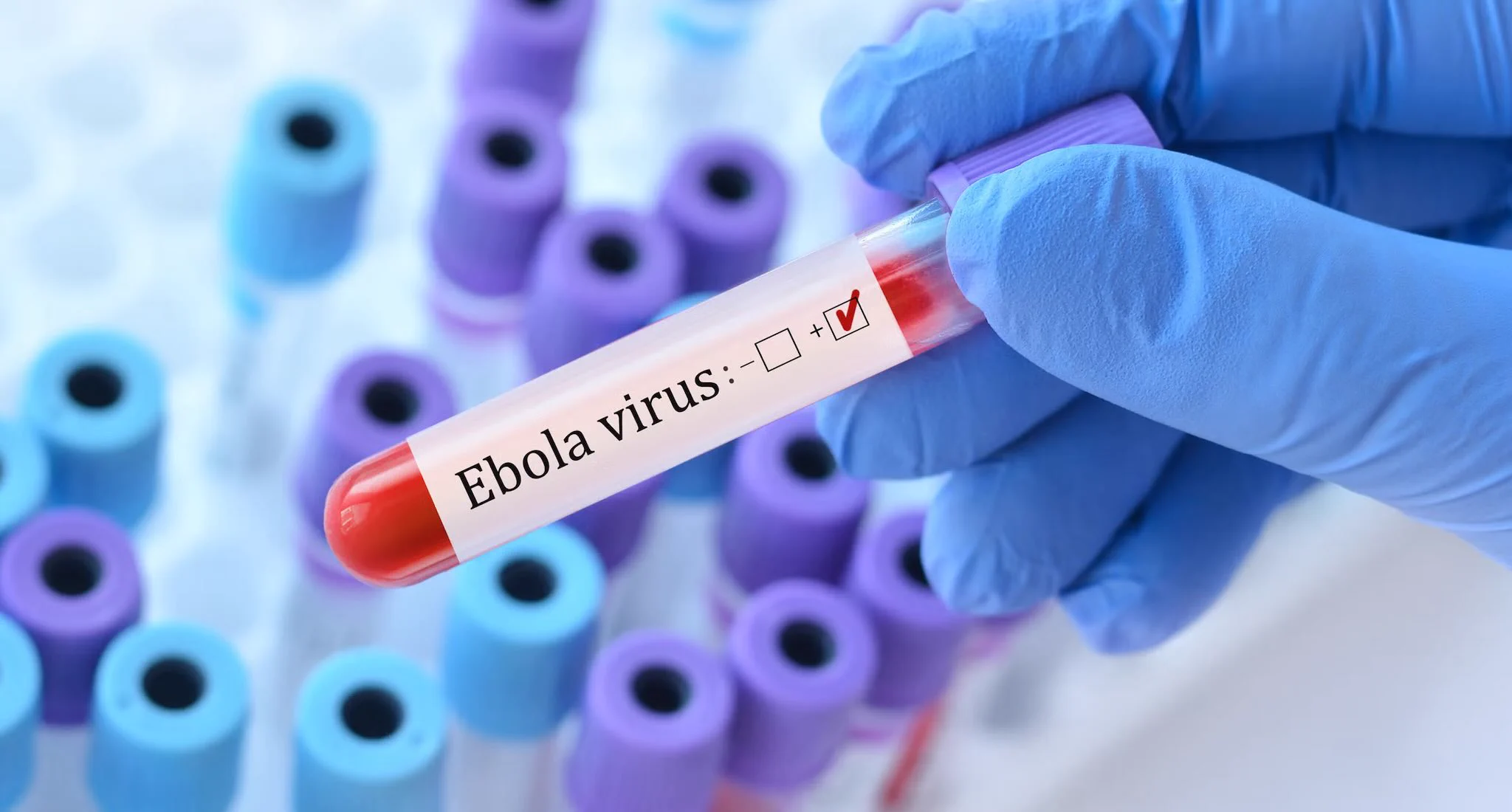
Nigeria’s latest Ebola scare has taken an encouraging turn after health authorities confirmed that two suspected cases identified in Yola, Adamawa State, tested negative following two rounds of laboratory examinations.
The announcement by the Nigeria Centre for Disease Control and Prevention (NCDC) has eased concerns about a possible outbreak in the state, with officials assuring Nigerians that there is currently no laboratory-confirmed Ebola case in Adamawa.
However, health authorities are urging the public not to let their guard down, stressing that early detection, prompt medical attention and responsible health practices remain essential in preventing the spread of infectious diseases.
The NCDC also used the opportunity to remind Nigerians about the symptoms of Ebola Virus Disease (EVD), the importance of reporting possible exposure and the dangers of relying on unverified information during public health emergencies.
You might want read this: FG Orders Strict Ebola Screening at All Entry Points as Nigeria Tightens Border Health Security
NCDC Confirms Two Suspected Ebola Cases Tested Negative
The Director-General of the NCDC, Dr Jide Idris, disclosed the development in a statement released on Saturday, explaining that the agency had been working closely with the Adamawa State Government to investigate the reported cases.
According to Idris, the Adamawa Public Health Emergency Operations Centre received a report in the early hours of October 30 concerning two individuals who were displaying symptoms that raised suspicions of Ebola Virus Disease.
Given the seriousness of the infection and the need to prevent any possible transmission, health authorities immediately activated appropriate public health procedures.
The two individuals were placed in isolation, while medical samples were collected and sent for laboratory examination to establish the actual cause of their illnesses.
Idris confirmed that both suspected cases returned negative results after two rounds of laboratory testing.
The results established that neither individual had tested positive for Ebola, meaning Adamawa State had no laboratory-confirmed case at the time of the announcement.
The NCDC chief emphasised that the investigation and immediate response demonstrated the importance of maintaining effective disease surveillance systems capable of identifying and responding to potential public health threats.
NCDC Commends Adamawa Government for Swift Response
While providing details about the suspected cases, Idris praised the Adamawa State Commissioner for Health and the state’s public health team for their prompt intervention.
He noted that the state authorities acted proactively after receiving the report, ensuring that the suspected individuals were isolated and the necessary investigations commenced without delay.
The NCDC also reaffirmed its commitment to supporting Adamawa State throughout the response process.
According to the agency’s Director-General, the centre will continue providing technical assistance to strengthen the state’s disease surveillance, investigation and emergency response operations.
Such cooperation between federal and state health authorities is particularly important when dealing with highly infectious diseases, where delays in identifying and managing suspected cases could create additional public health risks.
The response in Adamawa also highlights the importance of taking suspected Ebola symptoms seriously, even before laboratory results become available.
Health authorities must investigate unusual symptoms promptly, implement appropriate infection prevention measures and establish whether a suspected infection is linked to Ebola or another illness.
FCT Remains Nigeria’s Only Confirmed Ebola Case
Idris also addressed concerns surrounding the country’s Ebola situation, clarifying that the previously confirmed case in the Federal Capital Territory (FCT) remained Nigeria’s only laboratory-confirmed Ebola case.
His clarification is significant because reports of suspected infections can sometimes create confusion, particularly when information is shared without proper verification.
The NCDC stressed that the two suspected cases in Adamawa should not be mistaken for confirmed infections.
With both individuals testing negative after two rounds of laboratory examinations, there was no laboratory evidence of Ebola transmission in the state.
The agency urged Nigerians to remain calm and avoid spreading rumours, speculation or misleading reports about the disease.
Idris advised the public to obtain information about the Ebola situation from official government announcements and recognised public health communication channels.
He warned against circulating unverified claims, particularly on social media, where inaccurate reports can spread rapidly and cause unnecessary fear.
Public health authorities say accurate information is essential during disease investigations because misinformation can undermine public confidence, create panic and make it more difficult for people to follow appropriate health guidance.
Ebola Virus Disease: Symptoms Nigerians Should Watch Out For
Although the suspected cases in Adamawa tested negative, the NCDC has reiterated that Ebola remains a serious infectious disease requiring immediate attention whenever symptoms suggest a possible infection.
Ebola Virus Disease is a severe illness that requires prompt detection, appropriate clinical management and strict infection prevention and control measures.
Dr Idris urged Nigerians to pay attention to unusual symptoms and seek medical attention immediately if they become unwell, particularly when there is a possibility that they may have been exposed to the virus.
The symptoms highlighted by the NCDC include:
- Fever: An elevated body temperature that may develop during the early stages of the illness.
- Severe weakness: Unusual tiredness, exhaustion or a significant loss of physical strength.
- Headache: Persistent or severe headaches.
- Muscle pain: Unexplained aches and discomfort affecting the muscles.
- Vomiting: Episodes of vomiting that may occur alongside other symptoms.
- Diarrhoea: Frequent loose or watery stools.
- Unexplained bleeding: Bleeding that cannot be attributed to an obvious injury or another known cause.
These symptoms should not automatically be interpreted as evidence of Ebola, as several other illnesses can produce similar signs.
However, anyone experiencing such symptoms, especially after a possible exposure, should seek professional medical assessment rather than attempting to diagnose or treat the condition independently.
The NCDC emphasised that early reporting and medical evaluation are important for determining the cause of illness and ensuring that individuals receive appropriate care.
Why Travel and Contact History Matter
One of the key recommendations from the NCDC is that people experiencing symptoms associated with Ebola should provide healthcare workers with accurate information about their recent travel and contact history.
This information can help medical professionals assess whether an individual may have been exposed to the virus and determine what additional precautions or investigations are necessary.
Idris stressed that anyone who suspects possible exposure should communicate relevant details to healthcare personnel when seeking treatment.
This includes information about recent travel and any contact with individuals who may have been infected.
Providing accurate information allows health workers to make informed decisions about patient assessment, isolation where necessary and further laboratory investigations.
The NCDC also cautioned Nigerians against self-medication.
Rather than taking medicines without professional guidance, individuals who develop concerning symptoms should seek advice from qualified healthcare providers and follow instructions issued by public health authorities.
Self-medication can delay proper diagnosis and may prevent patients from receiving the medical attention they need.
NCDC Warns Against Misinformation as Monitoring Continues
Despite the negative laboratory results from Adamawa, the NCDC says surveillance and monitoring activities will continue in collaboration with the state government and other relevant stakeholders.
Idris explained that public health authorities would remain alert to developments and provide updates whenever verified information becomes available.
The agency’s position reflects the need for continued vigilance, even when initial investigations produce reassuring results.
Disease surveillance, laboratory testing, coordinated emergency responses and effective communication remain important tools for identifying potential outbreaks and protecting communities.
The NCDC also reiterated that Nigerians have an important role to play in supporting public health efforts.
Citizens are encouraged to report concerning symptoms promptly, follow professional medical advice, avoid spreading unconfirmed reports and cooperate with healthcare workers during investigations.
These measures can help health authorities respond more effectively to suspected infectious diseases while reducing unnecessary public anxiety.
Nigeria Maintains Vigilance Despite Reassuring Adamawa Results
The negative results from the two suspected Ebola cases in Yola provide welcome reassurance, particularly at a time when concerns about infectious diseases can quickly generate public anxiety.
However, the NCDC’s message is clear: negative test results should not be an excuse to ignore symptoms or weaken disease surveillance efforts.
Dr Jide Idris reaffirmed the agency’s commitment, alongside the Adamawa State Government and other relevant stakeholders, to protecting Nigerians through early detection, evidence-based interventions, transparent communication and coordinated national response efforts.
For now, both suspected cases in Adamawa have tested negative, and the Federal Capital Territory’s previously confirmed infection remains Nigeria’s only laboratory-confirmed Ebola case, according to the NCDC.
The agency is urging Nigerians to stay informed, remain calm and seek immediate medical attention whenever symptoms raise concerns about a possible serious infection.
Ultimately, effective disease prevention depends not only on the work of health authorities but also on public awareness, responsible reporting and timely cooperation with medical professionals.