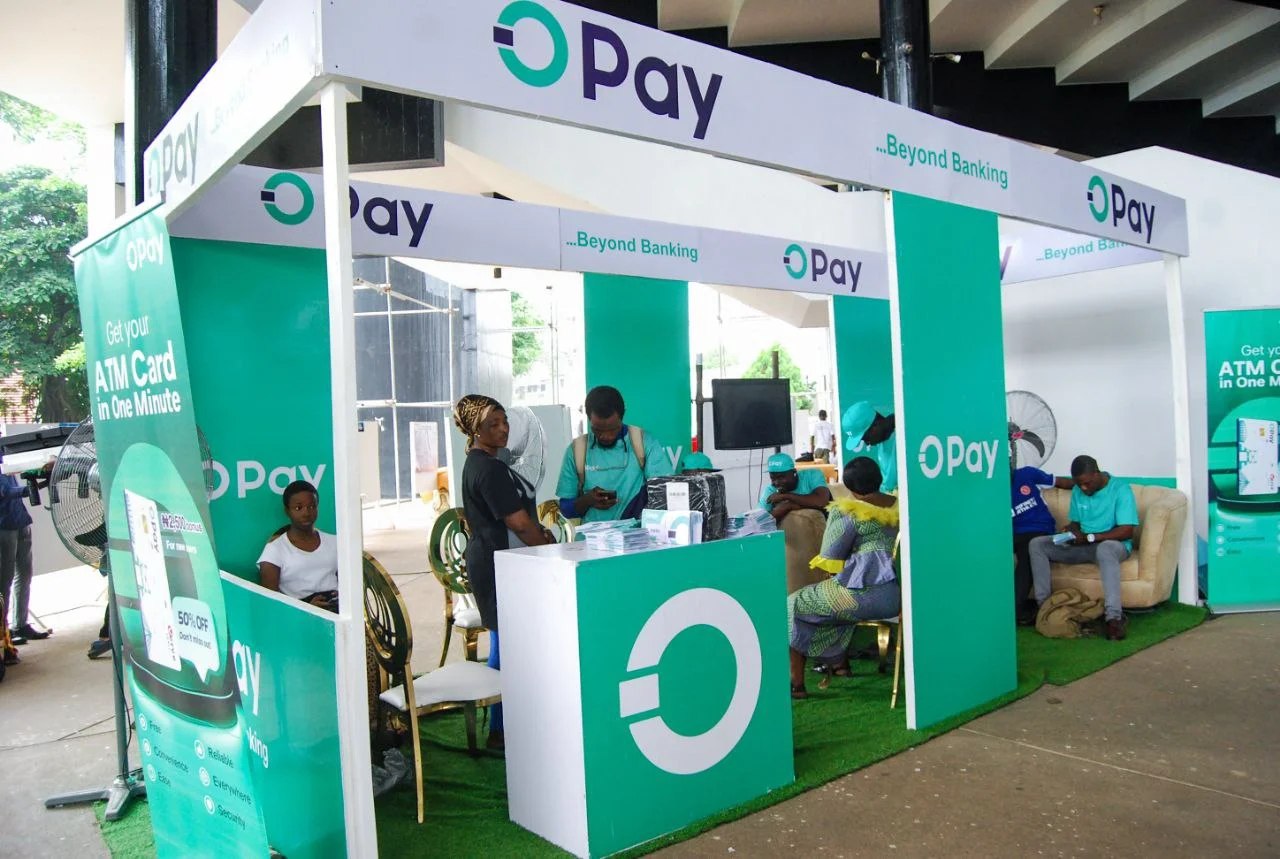
Nigeria-focused financial technology company OPay has achieved a major milestone in its international expansion after successfully listing on the New York Stock Exchange (NYSE), raising $304 million through its initial public offering and securing a market capitalisation of more than $4 billion.
The listing represents a significant moment not only for OPay but also for Africa’s rapidly developing financial technology industry. Founded in Nigeria in 2018, the company has grown from a digital payments provider into a broader financial services platform serving millions of customers across emerging markets.
Its successful Wall Street debut highlights the growing international interest in businesses targeting underserved populations through mobile technology and digital financial services.
With more than 50 million monthly active users across Nigeria, Egypt, Pakistan and Indonesia, OPay is now looking to use its public market debut to accelerate expansion, strengthen its technology infrastructure and deepen its presence in some of the world’s fastest-growing digital financial markets.
You might want to read this: OPay at 8: How Nigeria’s Digital Finance Revolution Is Changing Everyday Life
OPay Raises $304 Million in New York Stock Exchange IPO
OPay began trading on the New York Stock Exchange on Friday after pricing its initial public offering at $19 per American Depositary Share (ADS).
The company offered 16 million ADSs, raising approximately $304 million from investors. Each ADS represents 10 ordinary shares in the business.
The offering followed regulatory approval from the United States Securities and Exchange Commission, which declared OPay’s registration statement effective on October 29. The IPO was expected to close on November 2.
Following the offering, OPay achieved a market capitalisation exceeding $4 billion, marking a significant valuation for a financial technology company that began operations in Nigeria just eight years ago.
The listing gives the company access to international capital markets and provides an additional platform for financing its long-term growth ambitions.
For Africa’s fintech industry, the development also demonstrates that companies built around solving everyday financial challenges in emerging markets can attract substantial attention from global investors.
OPay CEO Calls NYSE Listing a Major Milestone for African Fintech
Lars Boilesen, OPay’s co-chief executive officer, described the stock market debut as an important achievement for the company and Nigeria’s broader financial technology sector.
He highlighted the company’s rapid expansion since entering the Nigerian market in 2018, explaining that OPay has developed into a major digital financial platform serving customers across four countries.
According to Boilesen, the company now has more than 50 million monthly active users across Nigeria, Egypt, Pakistan and Indonesia.
He also revealed that OPay recorded a 9.9% market share across Africa and the Middle East based on monthly average users during the first half of 2026.
The executive believes the company still has significant room to grow, particularly in Nigeria, where millions of adults remain outside the formal financial system.
Boilesen estimated that approximately 40 million Nigerian adults remain financially excluded, representing a substantial opportunity for digital financial service providers.
He said OPay intends to build on its experience in Nigeria and apply its business model to other emerging markets where young populations and expanding mobile internet access are increasing demand for accessible financial services.
Nigeria Remains OPay’s Biggest Growth Opportunity
Although OPay has expanded into several international markets, Nigeria remains central to its business strategy.
The country has a large population, a growing digital economy and considerable demand for financial services that can be accessed without relying entirely on traditional banking infrastructure.
Many individuals and small businesses continue to experience difficulties accessing conventional financial services, creating opportunities for technology-driven alternatives.
OPay has positioned itself to address these challenges through a mobile-based platform that allows customers to carry out everyday financial transactions.
Its services have helped make digital payments more accessible to individuals and businesses, particularly those who previously depended heavily on cash.
Boilesen believes the remaining population outside the formal financial system represents an important opportunity for further expansion.
By developing products that address the needs of underserved customers, the company hopes to increase financial participation while strengthening its position in Nigeria’s competitive fintech market.
The opportunity extends beyond individual consumers.
Small businesses, merchants and informal enterprises also require convenient ways to receive payments, transfer money and manage their finances.
This makes the expansion of digital financial infrastructure particularly important for countries where cash remains widely used.
OPay Targets Millions of Underserved Customers
Stephen Wen, another co-chief executive officer of OPay, also highlighted the significant opportunities available in Nigeria and other emerging economies.
He noted that more than 60% of Nigeria’s population remains underserved by traditional banking institutions and continues to rely heavily on cash.
For OPay, this creates an opportunity to develop financial products that make everyday transactions more convenient and accessible.
Wen explained that the company’s expansion strategy would remain focused on addressing customers’ practical financial challenges rather than simply increasing the number of services available.
The company believes that growing smartphone ownership and improved mobile internet access will support demand for digital financial platforms.
As more people gain access to mobile devices and internet connectivity, financial technology companies can reach customers who may previously have been excluded from conventional banking services.
This trend is particularly important across emerging markets, where large populations of young consumers are increasingly adopting digital solutions.
OPay intends to use its existing experience in Nigeria to pursue similar opportunities in other countries.
OPay Reports $1 Billion Revenue Run Rate in 2026
Beyond its impressive IPO fundraising, OPay has also highlighted strong financial performance ahead of its public market debut.
James Perry, the company’s chief financial officer, revealed that OPay reached a $1 billion revenue run rate in the second quarter of 2026.
The company also recorded 137% year-on-year growth during the first six months of the year, alongside a reported net margin of 19%.
These figures suggest that OPay entered the public markets with substantial business momentum.
A revenue run rate is an annualised estimate based on a company’s revenue performance over a particular period. Therefore, the reported $1 billion figure should not be confused with confirmed full-year revenue.
Nevertheless, the announcement highlights the scale of the company’s operations and its ambitions within the digital financial services industry.
Perry described the IPO as an opportunity to support the next stage of the company’s development.
He also emphasised that OPay intended to use the funds raised to strengthen its technology capabilities and support expansion in Nigeria and other African markets.
Maintaining strong financial performance while expanding into new markets will be important as the company enters its next phase of growth.
From Digital Payments to a Broader Financial Services Platform
Since launching in Nigeria in 2018, OPay has gradually expanded beyond its original focus on digital payments.
The company now offers a broader range of financial services, including savings products, credit facilities and merchant services.
This expansion reflects its ambition to become more than a platform for transferring money and paying bills.
By bringing multiple financial services together, OPay aims to create an integrated digital platform that customers can use for different aspects of their financial lives.
For individual users, this could mean having access to payment services, savings options and credit products through a single digital ecosystem.
For businesses and merchants, the platform provides tools that support payment acceptance and everyday financial transactions.
The company has also expressed ambitions to develop a wider financial and lifestyle platform, potentially allowing it to build deeper relationships with its existing customer base.
This strategy is important because digital financial companies increasingly compete on the range and convenience of services they provide rather than relying on a single product.
Why OPay’s IPO Matters for Africa’s Technology Industry
OPay’s successful New York listing carries significance beyond the company’s own financial achievements.
It demonstrates the potential for African-founded and Africa-focused technology businesses to attract international investment by addressing challenges in large, underserved markets.
For years, financial inclusion has remained an important development priority across many African countries.
Millions of people and small businesses have limited access to traditional banking services, while cash continues to play a major role in everyday economic activity.
Digital financial platforms offer an alternative by allowing customers to access payments and other financial products through mobile technology.
OPay’s growth illustrates how this model can develop into a large-scale business serving customers across multiple countries.
Its listing may also help increase international investor interest in other technology companies operating across Africa and emerging markets.
However, sustaining that momentum will require companies to demonstrate consistent financial performance, effective risk management and the ability to operate successfully across different regulatory environments.
For OPay, the challenge will be turning its strong market presence and financial performance into sustainable long-term growth.
What Comes Next for OPay After Its $4 Billion Market Debut?
With $304 million raised through its IPO and a market capitalisation exceeding $4 billion, OPay has entered a new stage of its corporate journey.
The company now has additional financial resources and access to international public markets as it pursues its expansion plans.
Its immediate priorities include investing in technology, strengthening its existing operations and exploring further opportunities across African markets.
Nigeria is expected to remain a central part of that strategy, particularly given the large number of adults who remain underserved by conventional banking institutions.
At the same time, its operations in Egypt, Pakistan and Indonesia provide a foundation for broader international growth.
The company’s ability to develop new products, attract customers and maintain profitability will be important in determining whether it can sustain its current momentum.
For now, OPay’s Wall Street debut represents a remarkable achievement for a company that started in Nigeria in 2018.
Its journey from a digital payments startup to a publicly listed financial services business valued at more than $4 billion highlights the growing possibilities within Africa’s fintech industry.
More importantly, it demonstrates how technology-driven financial services can turn gaps in traditional banking into opportunities for large-scale business growth.