
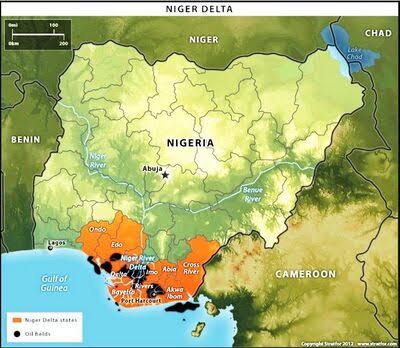
A Niger Delta advocacy group says stronger pipeline monitoring helped limit environmental risks during the region’s latest flood season.
The Niger Delta Progressive Alliance (NDPA) has commended Pipeline Infrastructure Nigeria Limited (PINL) for what it described as effective pipeline surveillance, infrastructure maintenance and community support during recent flooding across parts of the Niger Delta.
In a statement signed by its Convener, Nse Victor Udoh, the group said PINL’s monitoring of pipeline corridors helped reduce the risk of additional environmental damage in flood-affected areas.
The alliance argued that the importance of pipeline protection becomes even greater during periods of heavy rainfall, when damaged infrastructure, existing spills and illegal activities can compound the environmental impact of flooding.
Group Highlights Absence of Reported Major Contamination
According to the NDPA, the recent flood season did not produce reported cases of widespread oil contamination of floodwaters, fish deaths or the movement of crude oil into farms and residential communities attributable to pipeline failures.
The group said the situation demonstrated the value of preventive infrastructure management.
Its argument was simple: effective pipeline protection is often most visible through incidents that never happen.
The NDPA said routine patrols, right-of-way monitoring and surveillance enabled potential threats to be identified and addressed before they developed into larger incidents.
It also credited inspection, maintenance and repair work with helping to preserve the integrity of critical pipeline infrastructure during periods of severe weather.
Praise for Community Interventions
The alliance also highlighted PINL’s reported interventions in flood-affected communities in Rivers, Bayelsa and Imo states.
Among the activities cited were restoration work in locations previously affected by illegal refining, as well as empowerment initiatives aimed at women and young people in host communities.
Udoh said such programmes should be viewed as part of a company’s longer-term relationship with communities rather than as isolated acts of charity.
He argued that infrastructure operators have a responsibility to combine operational performance with meaningful community engagement.
Infrastructure Protection and Community Welfare
For the NDPA, the two issues are inseparable in the Niger Delta.
Pipelines run through communities and environmentally sensitive areas, meaning damage to infrastructure can quickly become a threat to farmland, waterways and livelihoods.
The group said PINL’s approach offered an example of how surveillance, maintenance, environmental protection and community development could work together.
Udoh said the alliance had observed that farms remained protected in areas affected by flooding and that waterways retained their ecological value.
NDPA Calls for Continued Standards
The group urged PINL to maintain what it described as the standard demonstrated during the flood season.
It said protecting critical national infrastructure should go hand in hand with preserving the environment and improving the welfare of host communities.
For the NDPA, the broader lesson is that pipeline security cannot be separated from the wellbeing of the people and ecosystems surrounding the infrastructure.
In a region where flooding can magnify existing environmental risks, prevention remains the first line of protection.