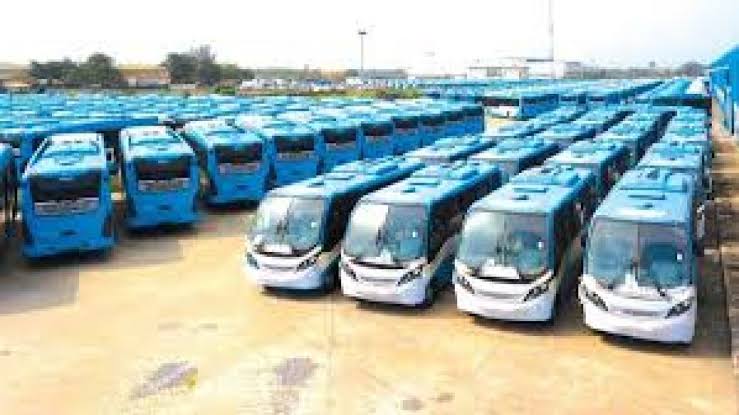
Commuters in Kano State could soon enjoy more affordable public transportation following the deployment of five new electric buses under the Federal Government’s cleaner energy and mobility programme.
The Presidential Initiative on Compressed Natural Gas and Electric Vehicles (Pi-CNG & EV) handed over five electric buses to transport operators in Kano on Saturday, as part of efforts to reduce transportation costs, improve passenger comfort and promote environmentally friendly mobility.
The development is expected to bring some relief to residents struggling with rising transportation expenses, with officials projecting that fares on the new electric buses could be at least 40 per cent cheaper than conventional transport services.
The 20-seater buses were distributed to two transport operators, Camel Mobility and the Kano Metropolitan Transport Company, marking another step in the Federal Government’s efforts to expand electric vehicle adoption across Nigeria.
Beyond providing cheaper journeys, the initiative is also expected to reduce fuel-related operating expenses, lower carbon emissions and strengthen the country’s transition towards cleaner transportation alternatives.
Federal Government Targets 40% Reduction in Transport Fares
Speaking during the handover ceremony in Kano, Ahmed Katuka, Manager of Assets at Pi-CNG & EV, said the introduction of the electric buses was designed to make public transportation more affordable and accessible.
According to Katuka, commuters using the newly deployed vehicles are expected to benefit from transportation fares that are at least 40 per cent lower than the prevailing rates charged by conventional transport operators.
He explained that the five buses would complement the existing fleet of 14-seater and high-capacity buses previously deployed to the state.
The expansion, he said, reflects the Federal Government’s commitment to developing a transportation system that is cleaner, safer, more affordable and sustainable.
Katuka described the deployment as a strategic intervention aimed at accelerating the country’s transition to cleaner energy while improving access to modern public transportation.
He noted that reducing the financial burden of daily commuting remained one of the key objectives of the initiative.
For many residents, particularly workers, traders, students and other frequent commuters, lower transportation fares could provide meaningful relief from the growing cost of moving around the city.
The programme is therefore expected to deliver benefits beyond the introduction of new vehicles by supporting a more affordable and efficient public transport system.
Five Electric Buses Expand Kano’s Public Transport Fleet
The newly delivered buses each have a seating capacity of 20 passengers and will be operated by Camel Mobility and the Kano Metropolitan Transport Company.
Their deployment adds to the electric and alternative-energy transportation vehicles already introduced in Kano under the Federal Government’s mobility programme.
Katuka explained that the initiative was not limited to putting electric vehicles on Nigerian roads but also involved strengthening public transportation infrastructure and encouraging greater participation from private sector operators.
He said the government wanted to ensure that its cleaner mobility agenda produced practical benefits for ordinary Nigerians.
The expansion of the electric bus fleet is also expected to encourage more transport operators to consider alternative energy vehicles as part of their long-term business operations.
With transportation costs remaining a major concern for households and businesses, the introduction of electric buses presents another option for improving urban mobility while reducing dependence on conventional fuel-powered vehicles.
Pi-CNG & EV Highlights Environmental and Safety Benefits
Although affordable transportation fares are among the immediate targets of the programme, officials say the benefits of electric buses extend beyond reduced commuting expenses.
According to Katuka, the deployment is expected to contribute to lower carbon emissions and encourage environmentally responsible transportation across the country.
Unlike conventional vehicles that rely on petrol or diesel engines, electric buses operate using electric power, reducing direct exhaust emissions during operation.
The initiative is also intended to improve passenger comfort and safety while supporting the development of modern urban transportation systems.
Katuka maintained that expanding cleaner mobility options was an important part of strengthening Nigeria’s public transport infrastructure.
He added that the programme would continue to empower private sector operators while ensuring that the benefits of the Federal Government’s transportation reforms reach communities across the country.
The deployment in Kano forms part of this broader effort to promote cleaner energy alternatives and modernise the country’s transportation sector.
Camel Mobility Commends Federal Government’s Initiative
Reacting to the handover, Ahmed Garba-Ahmed, Chief Operating Officer of Camel Mobility, praised the leadership of Pi-CNG & EV for introducing what he described as an important innovation in Nigeria’s transportation industry.
Garba-Ahmed said the electric vehicle sector represented a large ecosystem with opportunities to improve transportation services and support the development of cleaner mobility solutions.
He welcomed the arrival of the buses in Kano, describing the initiative as a positive development that could help provide more efficient transportation for residents.
The Camel Mobility executive assured the organisers that the company would put the vehicles into operation to ease the transportation challenges faced by commuters across the state.
He also pointed out that similar electric buses were already operating in Abuja, Lagos and other parts of Nigeria, indicating that the adoption of electric public transportation was extending beyond a single location.
However, he stressed that the successful operation of the vehicles would require adequate support from the Kano State Government.
Camel Mobility Seeks Dedicated Bus Corridors and Better Security
While welcoming the new buses, Garba-Ahmed appealed to the Kano State Government to provide the necessary infrastructure and operating environment to ensure the vehicles deliver their expected benefits.
He specifically called for dedicated transportation corridors, designated bus stops, an enabling operating environment and adequate security arrangements.
According to him, these facilities would help transport operators run the electric buses efficiently and provide reliable services to passengers.
Dedicated bus corridors could help improve movement by providing more organised routes, while properly designated bus stops would make it easier for commuters to access the services.
Security was another important concern highlighted by the Camel Mobility executive, as operators would need suitable arrangements to protect the vehicles, passengers and supporting infrastructure.
His appeal underscores the importance of cooperation between federal authorities, state governments and private transport companies in ensuring that investments in electric mobility translate into effective public transportation services.
The availability of modern vehicles alone may not be sufficient without the infrastructure and operational support needed to keep them running efficiently.
Kano Metropolitan Transport Company Welcomes Lower Operating Costs
Also speaking at the handover ceremony, Ahmad Rufai-Yusuf, Manager of the Kano Division of the Kano Metropolitan Transport Company, highlighted the potential financial benefits of introducing electric buses.
He explained that the vehicles could help reduce the fuel expenses associated with conventional transportation, allowing operators to lower their operating costs.
According to Rufai-Yusuf, reduced operating expenses could eventually translate into cheaper transportation fares for passengers.
His comments reinforced the central objective of the initiative: making public transportation more affordable by introducing vehicles that offer an alternative to traditional fuel-powered transport.
For transport companies, lower energy-related expenses could also create opportunities to improve operational efficiency and maintain more competitive fares.
However, the extent of the savings will depend on the costs associated with operating and maintaining the electric vehicles, alongside the availability of the necessary charging infrastructure.
What the New Electric Buses Mean for Kano Commuters
The arrival of the five electric buses represents another development in Kano’s public transportation system, with the potential to improve commuting options for residents.
If the projected 40 per cent reduction in fares is achieved, passengers could experience noticeable savings on regular journeys.
Workers travelling daily, students attending schools and universities, traders moving between commercial areas and other residents who depend on public transportation could all benefit from more affordable services.
The initiative also creates an opportunity for Kano to participate more actively in Nigeria’s transition towards electric mobility.
Nevertheless, the success of the programme will depend on effective implementation, adequate infrastructure, reliable vehicle operations and cooperation between the government and transport operators.
With Camel Mobility and the Kano Metropolitan Transport Company receiving the vehicles, attention will now turn to putting the buses into service and delivering the promised benefits to commuters.
As the Federal Government continues expanding its cleaner transportation agenda, the deployment of five electric buses in Kano represents a further step towards making public transportation more affordable, efficient and environmentally sustainable across Nigeria.