
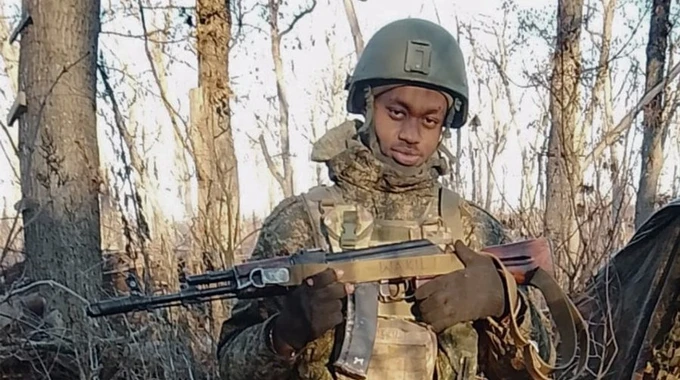
Botswana is stepping up efforts to stop its citizens from being lured into Russia’s military as recruitment schemes targeting Africans spread across the continent.
Eight Batswana have been intercepted at airports in Botswana, South Africa and Ethiopia, preventing them from travelling onward to Russia and potentially being deployed in the war in Ukraine.
International Relations Minister Phenyo Butale told Parliament that the eight citizens were stopped before reaching Russia, according to Bloomberg.
The government says the cases are part of a broader recruitment problem that has already affected dozens of Batswana.
Jobs that can lead to the battlefield
Botswana has repeatedly warned citizens about overseas recruitment offers promising employment, military training or security work.
According to Butale, some people only discover the real nature of the arrangement after leaving the country. What begins as an apparent job opportunity can ultimately result in recruits being sent toward the frontlines.
Botswana has identified approximately 22 citizens who were allegedly deceived through such schemes.
The government is now working to intercept potential recruits before they leave the region.
You might want to read this: The New Race Beneath the Ocean
A wider African recruitment problem
Botswana’s experience reflects a growing concern across Africa over the recruitment of foreign nationals into Russia’s military.
Authorities in several countries have investigated or prosecuted individuals accused of helping recruit people for Russia’s war effort.
Cases have emerged in Kenya, Zimbabwe and South Africa, involving both African citizens and Russian nationals accused of participating in recruitment activities.
For governments, the concern is increasingly shifting from individual cases to organized recruitment networks that can operate across borders.
Ghana reports dozens of deaths
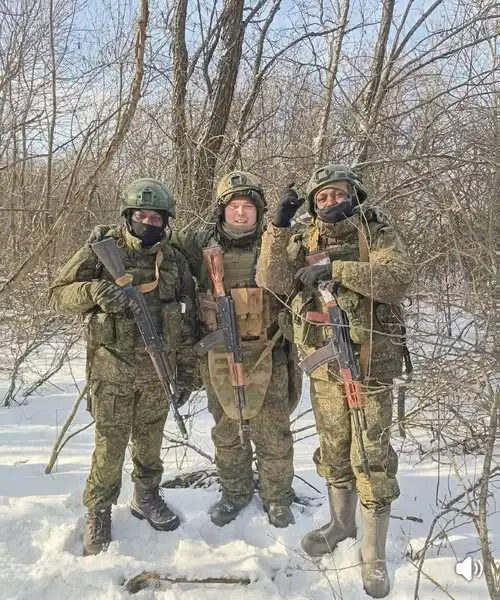
Ghana has also raised the alarm over its citizens being recruited to serve in Russia’s armed forces.
Accra says Russia has agreed to stop what Ghana describes as the illegal recruitment of Ghanaians.
The issue became particularly urgent after Ghanaian officials reported that 62 Ghanaian nationals had been killed while serving with Russian forces, while another 15 remained missing.
The reported death toll has increased from 55, the figure Ghana disclosed in February when it first publicly raised concerns about the recruitment of its citizens.
Kenya and South Africa have likewise worked to bring home citizens who reportedly entered Russian military contracts after being misled about the nature of the work.
More than 1,400 Africans allegedly recruited
The scale of the issue may extend well beyond the cases already identified by individual governments.
A recent investigation by INPACT estimated that at least 1,417 Africans from countries including Nigeria, Ghana, Kenya, Uganda and South Africa were recruited to fight for Russia between 2023 and 2025.
The investigation estimated that at least 316 of those recruits were killed in combat.
The figures highlight the difficulty African governments face in tracking recruitment that can involve multiple countries, intermediaries and international travel routes.
Why Russia is recruiting foreigners
Russia’s recruitment of foreign nationals comes as the war in Ukraine continues into its fourth year and Moscow faces substantial battlefield losses.
Foreign recruits can provide an additional source of manpower while allowing Russia to draw on people outside its domestic recruitment pool.
For Africans who believe they are accepting ordinary employment, however, the consequences can be dramatically different.
Butale warned that people recruited through these schemes can end up being sent to the frontlines of a war they never intended to fight.
Botswana warns of legal consequences
The government is also emphasizing that the risks do not end with deception or battlefield deployment.
Botswana has warned its citizens that serving in a foreign military is a criminal offence under the country’s laws.
That means anyone accepting an overseas offer connected to Russia’s armed forces could face consequences at home as well as the dangers associated with the war itself.
For Botswana, the priority is therefore increasingly clear: identify recruitment attempts early, stop potential recruits from leaving and warn citizens that an attractive overseas job offer could conceal a path to the battlefield.
As recruitment networks continue to cross African borders, governments across the continent are facing the same difficult challenge—protecting citizens from being deceived into fighting a foreign war.