The World Health Organization (WHO) has raised concerns over the spread of Bundibugyo virus disease, a form of Ebola, to additional African countries, including Nigeria and Kenya, as authorities intensify efforts to contain the outbreak and prevent further transmission.
According to the WHO, the Democratic Republic of the Congo (DRC) had recorded 9,704 confirmed cases and 4,687 deaths as of October 20, 2026. The cases were reported across 66 health zones in eight provinces, with a crude case fatality ratio of 48.3 per cent.
The outbreak has placed renewed pressure on public health authorities, particularly as transmission remains high in the DRC and deaths continue to occur within communities before patients can access appropriate medical care.
In a statement issued on Friday, the WHO confirmed that the virus had also spread to Kenya and Nigeria, prompting calls for stronger regional surveillance, rapid case detection and coordinated cross-border preparedness.
Nigeria confirmed an imported case in the Federal Capital Territory, Abuja, on October 20, adding to concerns about the potential for further international spread.
The WHO is urging affected and at-risk countries to strengthen their public health response while advising against travel and trade restrictions, emphasising that coordinated surveillance and effective disease control measures remain essential to containing the outbreak.
Ebola Outbreak in DR Congo Continues to Claim Thousands of Lives
The Democratic Republic of the Congo remains the centre of the Bundibugyo virus disease outbreak, accounting for the cases and deaths reported in the WHO’s October 20 update.
The organisation said transmission remained high across affected areas, while the number of deaths occurring outside treatment facilities highlighted persistent challenges in identifying cases early and ensuring timely access to healthcare.
Of the 482 deaths recorded since the previous update on October 8, 307 occurred in communities, while 175 were reported in treatment centres.
The figures highlight the difficulties health authorities face when people do not receive medical attention early enough or when suspected infections are not identified promptly.
Deaths occurring in communities can indicate gaps in early detection, access to healthcare and the timely referral of patients for appropriate medical assessment and supportive care.
Containing an outbreak requires more than treating confirmed cases. Public health teams must also identify people who may have been exposed, monitor contacts, investigate possible transmission chains and communicate clear information to affected communities.
The scale of the outbreak in the DRC has made these activities particularly important as neighbouring and other countries strengthen their preparedness measures.
Kenya Reports Nine Cases After Imported Ebola Infection
Kenya has reported nine cases of Bundibugyo virus disease, including one death, following confirmation of its first imported case on October 6, according to the WHO.
The initial patient had travelled from the Democratic Republic of the Congo through Uganda before arriving in Kenya.
Subsequent investigations identified eight additional cases among known contacts of the initial imported case.
As of October 20, the WHO said there was no evidence of wider community transmission in Kenya.
The identification of linked cases illustrates why contact tracing is an important component of outbreak response. Once an infected person is identified, health authorities work to establish who may have been exposed and monitor those individuals for symptoms.
Rapid identification can help health teams isolate suspected cases when necessary, arrange medical assessment and reduce opportunities for further transmission.
Although the absence of reported wider community transmission was an important detail in the WHO update, continued surveillance remains necessary to identify any additional infections.
Authorities must also investigate potential exposure routes and maintain communication with neighbouring countries to help track possible cross-border transmission.
Nigeria Confirms Imported Ebola Case in Abuja
Nigeria confirmed an imported case of Bundibugyo virus disease in the Federal Capital Territory on October 20, according to the WHO.
The patient had travelled from Uganda and was receiving medical care in isolation at the time of the report.
Investigations were continuing to establish the patient’s complete travel history and determine the possible source of exposure.
The confirmation places Nigeria among the countries responding to the international spread of the virus and underscores the importance of preparedness within the country’s public health system.
The WHO urged regional authorities to strengthen surveillance, particularly at points of entry, and to maintain the capacity to detect and respond to suspected infections promptly.
The identification of an imported case does not, by itself, establish that wider community transmission has occurred. Further investigations and surveillance are needed to determine whether other people have been exposed and whether additional infections emerge.
For Nigeria, key response priorities include identifying potential contacts, monitoring people who may have been exposed, ensuring appropriate medical assessment and sharing relevant information with public health authorities.
Effective communication is also essential to help the public understand official guidance without creating unnecessary fear or spreading unverified information.
Why Bundibugyo Virus Disease Requires Urgent Attention
Bundibugyo virus disease is caused by the Bundibugyo virus, one of the viruses known to cause Ebola disease.
Ebola diseases are serious illnesses that can cause severe symptoms and require urgent medical assessment and supportive treatment. The precise course and outcome of an infection can vary, and suspected cases need to be evaluated by qualified healthcare professionals.
Transmission can occur through direct contact with the blood or other bodily fluids of an infected person who is symptomatic, or with contaminated materials. Contact with infected bodies during burial practices can also pose a risk.
The possibility of transmission through close contact makes early identification and appropriate infection prevention measures essential.
People who suspect they have been exposed should seek guidance from local public health authorities or healthcare professionals rather than attempting to manage a suspected infection without medical support.
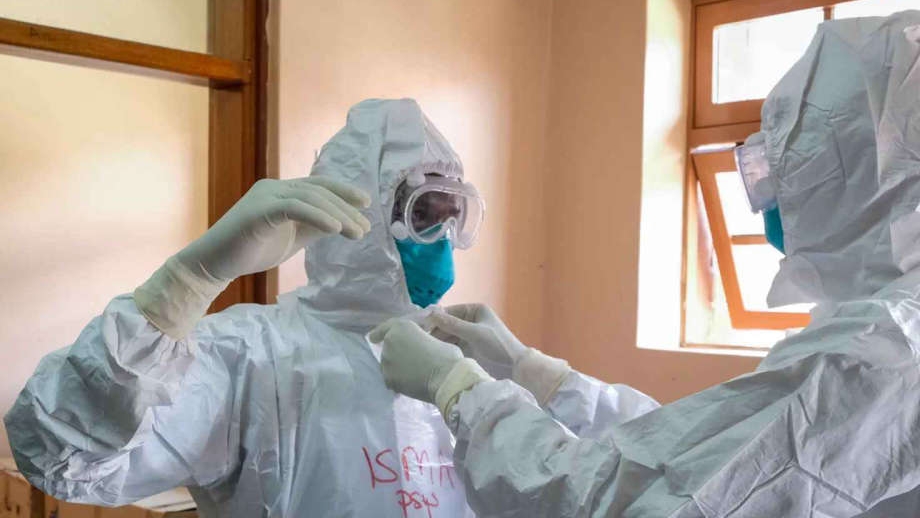
Health workers responding to an outbreak must follow appropriate infection prevention and control procedures, including the use of recommended protective equipment and safe handling practices.
The WHO’s reported figures also demonstrate why rapid access to medical care matters. In the DRC, the large number of deaths recorded in communities has highlighted the challenges associated with detecting infections and reaching patients before their conditions worsen.
WHO Calls for Stronger Cross-Border Surveillance
With cases reported in the DRC, Kenya and Nigeria, the WHO has emphasised the importance of coordinated regional preparedness and response efforts.
Cross-border surveillance is particularly important when people travel between countries for work, trade, family visits and other reasons.
Public health authorities need systems that allow them to identify potential cases, exchange information and coordinate investigations when infections may have crossed national boundaries.
The WHO has called for strengthened monitoring at points of entry, prompt detection of suspected cases and coordinated response measures across affected and at-risk countries.
These measures can help authorities investigate potential exposure, monitor contacts and respond quickly when new infections are identified.
Regional cooperation is especially important when travel histories involve several countries, as information from different jurisdictions may be needed to establish where an individual was exposed and identify people who may have had contact with them.
Preparedness also involves ensuring that healthcare facilities know how to identify suspected cases, follow appropriate infection control procedures and notify public health authorities without delay.
Public communication is another critical component. Clear, timely information can help people understand the risks, follow official advice and avoid misinformation.
WHO Advises Against Travel and Trade Restrictions
Despite the international spread of Bundibugyo virus disease, the WHO advised against imposing travel or trade restrictions on affected countries.
The organisation instead emphasised sustained public health measures, regional cooperation and effective surveillance as the main priorities for containing the outbreak.
Travel and trade restrictions can have significant economic and social consequences, while their effectiveness in controlling an outbreak depends on the circumstances and the measures being applied.
The WHO’s position highlights the importance of evidence-based responses that focus on detecting infections, managing cases and reducing opportunities for transmission.
Monitoring points of entry and maintaining appropriate preparedness can help authorities identify potential cases without automatically disrupting legitimate movement between countries.
The recommendation does not remove the need for vigilance. Rather, it underscores the importance of applying public health measures that are proportionate to the assessed risks and supported by available evidence.
What Happens Next as Nigeria Strengthens Preparedness?
The spread of Bundibugyo virus disease beyond the DRC has increased the importance of surveillance and coordination among African public health authorities.
For Nigeria, the immediate priorities include investigating the confirmed imported case, establishing the patient’s relevant travel and exposure history, identifying potential contacts and monitoring for additional infections.
The WHO has also stressed the need for countries to maintain preparedness, strengthen detection systems and coordinate responses across borders.
For the public, following official health guidance and seeking prompt medical advice when a potential exposure is suspected remain important steps.
The figures reported from the DRC underline the serious consequences that can occur when infections are not detected early and patients cannot access appropriate care in time.
At the same time, the reported cases in Kenya and Nigeria demonstrate why rapid information-sharing and contact tracing are essential when infections cross international borders.
As the response continues, the effectiveness of surveillance, access to medical care and cooperation between national health authorities will be central to efforts to limit further spread.
The key priority remains early detection, appropriate medical care and coordinated public health action across affected and at-risk countries.