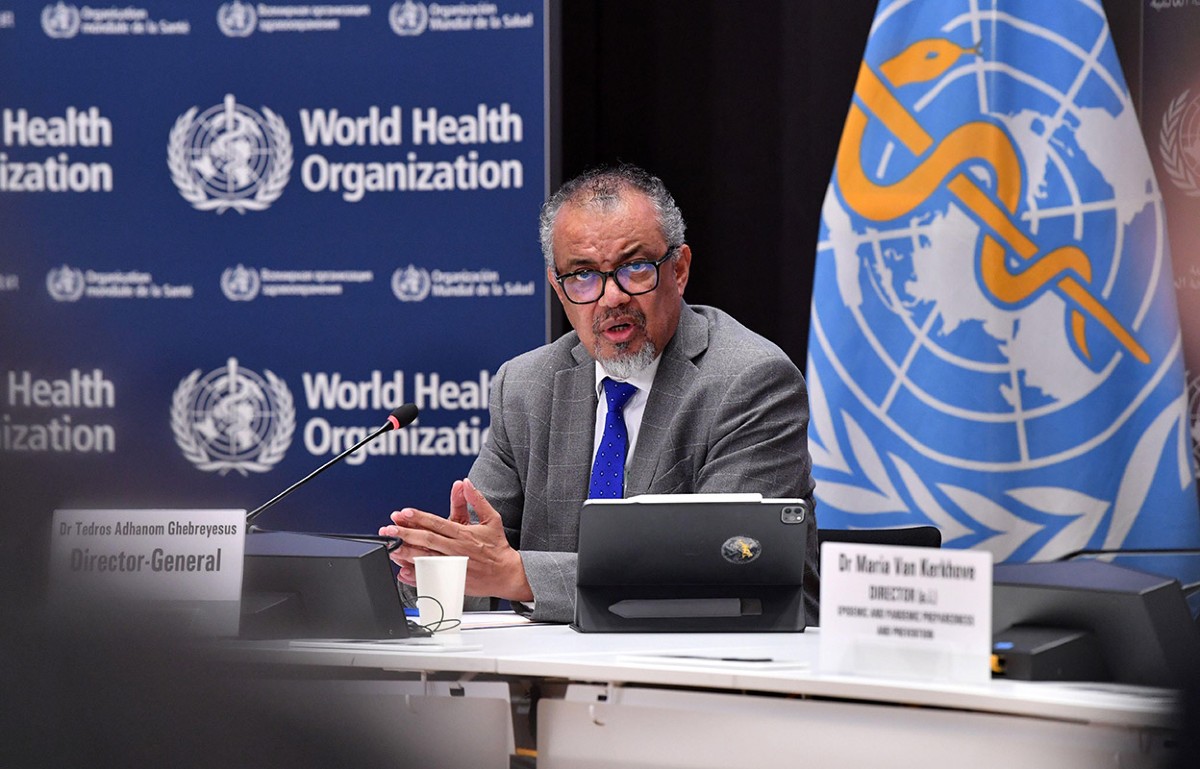
The World Health Organisation (WHO) has advised countries against imposing travel or trade restrictions on nations affected by the ongoing Ebola outbreak, following Nigeria’s confirmation of an imported case of the Bundibugyo Ebola virus in the Federal Capital Territory (FCT), Abuja.
The UN health agency said countries should avoid unnecessary restrictions while continuing to strengthen disease surveillance, emergency preparedness and infection prevention measures to limit the spread of the virus.
In a statement issued on Tuesday, WHO said it would continue monitoring developments and, where necessary, verify travel and trade measures introduced in response to the situation in Nigeria.
The advisory comes as health authorities intensify efforts to contain the confirmed infection, trace people who may have been exposed and investigate how the patient contracted the virus.
Nigeria is the fifth country to detect the Bundibugyo Ebola virus since an outbreak was declared in the Democratic Republic of the Congo (DRC) on May 15, 2026.
You Might Want To Read This: Ebola Alert: FAAN Tightens Security and Health Surveillance at Nigerian Airports After Virus Confirmed in Abuja
WHO Advises Against Travel and Trade Restrictions
WHO said countries should not impose restrictions on travel to or trade with affected countries in response to the Ebola event in Nigeria.
The organisation explained that it was closely monitoring the situation and would continue assessing any travel or trade measures introduced by individual countries.
According to the agency, its risk assessment was being regularly updated to reflect the latest developments associated with the outbreak.
The guidance highlights the importance of balancing public health protection with measures that avoid unnecessary disruption to international travel and commerce.
Rather than relying on broad restrictions, WHO is emphasising effective disease surveillance, rapid identification of suspected cases, contact tracing and appropriate infection prevention and control procedures.
The organisation also indicated that it would continue working with relevant authorities and partners to support Nigeria’s response as investigations progress.
Nigeria Confirms Imported Bundibugyo Ebola Case
The Federal Ministry of Health and Social Welfare confirmed that the patient is a woman who recently travelled from Uganda to Nigeria.
According to the ministry, her symptoms began on October 7, four days after she arrived in the country.
She sought medical attention at a private health facility in Abuja on October 11 before laboratory testing confirmed the Bundibugyo Ebola virus on October 20.
The patient is currently in isolation and receiving medical care.
Health authorities are investigating the likely source of the infection and working to reconstruct her travel and exposure history to determine how she may have contracted the virus.
These investigations are expected to help officials identify potential exposure points and establish whether additional people may require monitoring.
The confirmation of the imported case has prompted a coordinated response involving Nigerian health authorities and international partners.
Health Authorities Identify 44 Contacts
As part of efforts to prevent further transmission, authorities have identified 44 contacts linked to the confirmed patient.
According to information reported by WHO, the contacts are being monitored while investigators work to identify other people who may have been exposed.
Contact tracing is an essential component of Ebola outbreak management because it allows health officials to identify individuals who may have encountered an infected person and monitor them for possible symptoms.
The process also helps authorities determine whether additional investigations or public health measures are necessary.
Meanwhile, infection prevention and control measures are being strengthened at the private health facility where the patient initially sought treatment.
These measures are intended to protect healthcare workers, patients and others who may have been exposed within the facility.
The Nigeria Centre for Disease Control and Prevention (NCDC) has also activated its incident management system to coordinate response activities.
The system supports collaboration among agencies and helps organise the investigations, monitoring and other measures required to manage the outbreak.
WHO Highlights Importance of Early Detection and Contact Tracing
WHO has stressed that rapid case identification, timely follow-up of contacts and effective infection prevention and control are critical to containing the spread of Ebola.
In support of Nigeria’s response, the organisation and its partners are working closely with health authorities to strengthen key control measures.
These efforts include investigating suspected cases, tracing contacts, improving infection prevention practices and providing essential supplies to support healthcare personnel.
Personal Protective Equipment (PPE) is among the supplies being provided to help protect health workers involved in caring for patients and managing suspected infections.
Healthcare facilities are particularly important in an outbreak response because medical personnel may be exposed to infectious diseases while examining or treating patients.
Effective infection prevention procedures, appropriate protective equipment and prompt recognition of suspected cases can help reduce the risk of transmission in clinical settings.
WHO’s support is aimed at helping Nigerian authorities strengthen these measures while investigations into the confirmed case continue.
WHO Urges African Countries to Strengthen Ebola Preparedness
While supporting Nigeria’s response, WHO has called on countries across the region to maintain a high level of readiness as the outbreak in the Democratic Republic of the Congo continues to evolve.
The organisation said countries should strengthen surveillance systems and ensure that alerts involving suspected cases are investigated promptly.
It also advised governments to ensure that laboratories have the capacity to test suspected cases safely and that rapid response teams and clinical personnel can be deployed when needed.
Other recommended measures include reinforcing infection prevention and control in both public and private healthcare facilities, positioning essential medical supplies in advance and engaging communities in outbreak prevention efforts.
According to WHO, countries should also strengthen monitoring at points of entry and ensure that response plans are ready for implementation.
These preparations are intended to help authorities detect infections early, assess potential exposure and prevent further transmission across communities and borders.
The organisation’s guidance reflects concerns about the evolving regional situation and the need for countries to remain prepared even when they have not confirmed cases within their territories.
Kenya Reports Cases Linked to Imported Infection
WHO also noted that Kenya had reported nine cases linked to an imported case in recent weeks.
The development underscores the importance of cross-border surveillance and coordination as health authorities work to identify possible transmission and prevent additional infections.
When an infected person travels between countries, identifying potential contacts and monitoring their health can be crucial to determining whether the virus has spread further.
Regional cooperation allows public health agencies to share relevant information, coordinate investigations and strengthen their preparedness in response to emerging risks.
WHO’s call for sustained readiness therefore extends beyond Nigeria and the Democratic Republic of the Congo to other countries that may face exposure risks as the outbreak develops.
What the Ebola Alert Means for Travellers and Healthcare Facilities
For travellers, airlines and other stakeholders, WHO’s advice is to follow official public health guidance rather than assume that broad travel restrictions are necessary.
The organisation has emphasised the need for heightened monitoring at points of entry, supported by clear response plans and effective communication between relevant authorities.
Healthcare facilities are also expected to maintain strong infection prevention and control practices, ensure that suspected cases are assessed appropriately and support prompt reporting to public health authorities.
Communities have an important role to play by relying on verified health information and cooperating with official guidance.
At the same time, authorities must remain alert to developments and be prepared to adapt their response as new information becomes available.
WHO’s recommendation against travel and trade restrictions does not remove the need for vigilance. Instead, its guidance places emphasis on targeted public health measures, rapid investigations and coordinated action.
WHO Continues to Monitor the Situation
Nigeria’s confirmation of the Bundibugyo Ebola virus has prompted increased surveillance, contact tracing and infection prevention efforts, with the patient receiving treatment in isolation.
The 44 identified contacts are being monitored, while health authorities continue investigating the likely source of infection and working to identify anyone else who may have been exposed.
The NCDC is coordinating Nigeria’s response through its activated incident management system, with WHO and other partners providing support.
Meanwhile, WHO has urged countries across the region to strengthen preparedness, maintain effective surveillance and ensure that healthcare facilities and laboratories can respond promptly to suspected cases.
The organisation will continue monitoring the situation and assessing developments as the outbreak evolves.
For now, its message is that countries should avoid unnecessary restrictions on travel and trade while maintaining strong public health systems capable of detecting cases early, protecting healthcare workers and preventing further transmission.