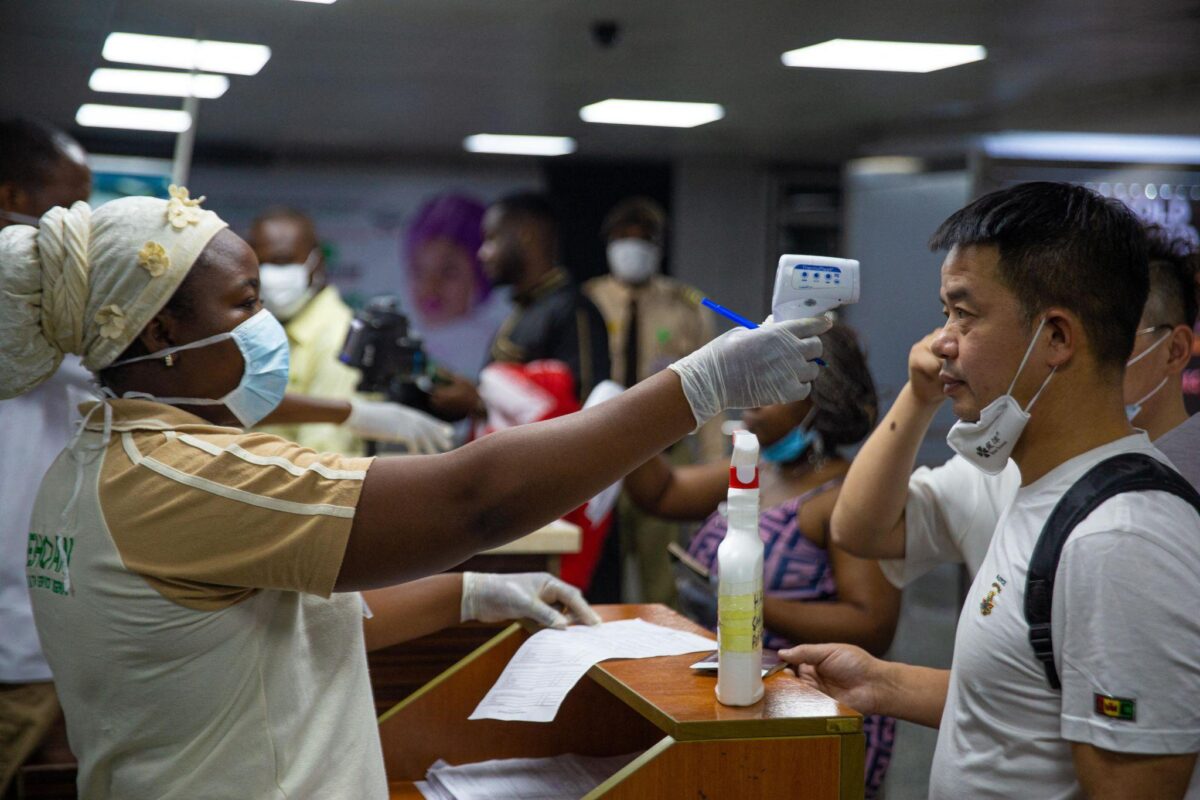
The Federal Airports Authority of Nigeria (FAAN) has intensified vigilance across airports nationwide following the confirmation of an Ebola Virus Disease (EVD) case in the Federal Capital Territory (FCT), Abuja, as health authorities step up efforts to contain the infection and prevent further transmission.
The airport authority said it was working closely with the Nigeria Centre for Disease Control and Prevention (NCDC), Port Health Services, the Nigeria Civil Aviation Authority (NCAA) and other relevant agencies to support ongoing public health measures.
The development comes as Nigeria responds to a confirmed case of the Bundibugyo strain of Ebola involving a woman with a recent travel history to Uganda. The patient is receiving medical care in isolation, while health officials investigate the likely source of the infection and monitor people who may have been exposed.
FAAN has urged passengers, airlines, airport workers and other stakeholders to remain calm, cooperate with health officials and rely on verified information as containment efforts continue.
You Might Want To Read This: Ebola Alert: Ogun Monitors 111 Travellers From High-Risk Countries as Government Assures Residents
FAAN Heightens Vigilance Across Nigerian Airports
FAAN announced the strengthened airport surveillance measures in a statement issued on Tuesday evening in Lagos by its Director of Public Affairs and Consumer Protection, Mr Henry Agbebire.
According to Agbebire, the authority is coordinating with relevant health and aviation agencies to support the country’s response to the confirmed Ebola case.
He explained that the early identification of the infection and the commencement of contact tracing demonstrated the importance of established public health protocols and effective collaboration among government agencies.
FAAN also pledged to align its response with additional guidance from public health authorities and support any further measures considered necessary to protect passengers, airport personnel and the general public.
The authority said its priority remained the protection of public health while ensuring that airports across the country continued to operate safely.
Although the announcement has raised public awareness about the potential risks associated with the outbreak, FAAN has called for calm and cooperation rather than panic.
Passengers and other airport users have been encouraged to follow instructions from health officials and remain attentive to verified updates from relevant authorities.
FAAN Works With NCDC, Port Health and Aviation Authorities
The airport authority’s response involves cooperation with several agencies responsible for public health surveillance, disease prevention and aviation safety.
These include the NCDC, Port Health Services and the NCAA, alongside other relevant organisations involved in the national response.
The collaboration is intended to ensure that airport operations remain aligned with public health guidance as authorities assess the implications of the confirmed case.
Port Health Services plays an important role in health-related activities at points of entry, while the NCDC coordinates Nigeria’s public health response to infectious disease threats.
FAAN said it would continue working with these agencies as the situation develops and implement additional measures where necessary.
Agbebire emphasised that early detection, established response procedures and coordination between institutions were essential to supporting containment efforts.
The authority also called on airlines, passengers and other stakeholders to cooperate with health personnel and avoid actions that could undermine the response.
How Nigeria’s Ebola Case Was Detected
The Federal Ministry of Health and Social Welfare disclosed that the confirmed patient is a woman who recently travelled from Uganda to Nigeria.
According to the ministry, her symptoms began on October 7, four days after her arrival in the country.
She subsequently sought medical attention at a private health facility in Abuja on October 11.
Laboratory testing confirmed the presence of the Bundibugyo Ebola virus on October 20, prompting further investigations and public health response measures.
The patient is currently being treated in isolation, where health professionals are providing medical care while authorities investigate the circumstances surrounding her infection.
Officials are also working to reconstruct her travel and exposure history to determine the likely source of the infection and identify other individuals who may have come into contact with her.
Establishing this information is a key part of the response because it helps investigators understand possible transmission pathways and determine where additional monitoring may be required.
The ministry has not yet established the likely source of the patient’s infection, and investigations remain ongoing.
Health Authorities Identify 44 Contacts for Monitoring
As part of efforts to prevent further transmission, health authorities have identified 44 contacts linked to the confirmed patient.
The individuals are being monitored as investigators work to determine whether others may have been exposed to the virus.
Contact tracing is a central public health measure during Ebola investigations. It involves identifying people who may have had contact with an infected individual and assessing their potential exposure.
Monitoring these contacts enables health officials to identify possible symptoms promptly and take appropriate action when necessary.
The Ministry of Health and Social Welfare said efforts were being intensified to identify additional people who might have been exposed.
Authorities are also strengthening infection prevention and control measures at the private health facility where the patient initially sought treatment.
These measures are intended to reduce the risk of transmission within healthcare settings and protect medical personnel, patients and other people who may have been present.
Meanwhile, the NCDC has activated its incident management system to coordinate the national response.
The system supports the organisation of response activities, coordination among relevant stakeholders and implementation of measures needed to manage the public health threat.
Nigeria Becomes Fifth Country to Detect Bundibugyo Ebola Virus
Nigeria’s confirmed case places the country among five nations reported to have detected the Bundibugyo Ebola virus since an outbreak was declared in the Democratic Republic of the Congo on May 15, 2026.
The development has increased the importance of surveillance and preparedness as health authorities work to contain the outbreak and limit the possibility of further spread.
Ebola Virus Disease is a serious illness caused by viruses belonging to the Ebola group. The Bundibugyo virus is one of the viruses known to cause Ebola disease in humans.
The confirmation of a case in Nigeria has prompted heightened vigilance among public health and aviation authorities, particularly given the importance of monitoring potential exposure and coordinating responses across different institutions.
However, the identification of a confirmed case does not, by itself, establish that transmission is occurring widely within the country.
The immediate focus remains on the patient’s care, contact tracing, infection prevention and control, and investigations into how the infection occurred.
Health authorities are expected to continue assessing the situation as more information becomes available.
What Passengers and Airport Users Should Know
FAAN has urged passengers, airport users, airlines and other stakeholders to remain calm, vigilant and cooperative as the response continues.
The authority has also advised the public to rely on verified information and avoid circulating unconfirmed reports about the Ebola case.
For travellers, following official instructions and cooperating with health personnel are important steps in supporting public health measures at airports and other points of entry.
People who have concerns about possible exposure should seek guidance from qualified health professionals and follow instructions issued by public health authorities.
Passengers should also avoid sharing sensational claims or unverified messages that could create unnecessary fear or confusion.
FAAN has reaffirmed its commitment to working with relevant agencies to safeguard public health and maintain safe airport operations nationwide.
NCDC Coordinates Nigeria’s Response as Investigations Continue
With the confirmed case under medical care, the 44 identified contacts under monitoring and infection prevention measures being strengthened, Nigeria’s public health authorities are continuing their efforts to contain the situation.
The NCDC’s activation of its incident management system is intended to coordinate response activities, while investigations continue into the patient’s travel history, possible exposure and likely source of infection.
FAAN, meanwhile, has pledged to maintain close coordination with the relevant agencies and support additional measures recommended by health officials.
The coming stages of the response will depend on the findings of ongoing investigations, the monitoring of identified contacts and the ability of authorities to detect and respond promptly to any further suspected cases.
For now, the message from the airport authority is clear: passengers and airport users should remain calm, follow official guidance and rely on credible information as health officials work to contain the infection.
The government agencies involved have reiterated their commitment to protecting public health, strengthening surveillance and preventing further transmission while investigations continue.
Source: NAN