
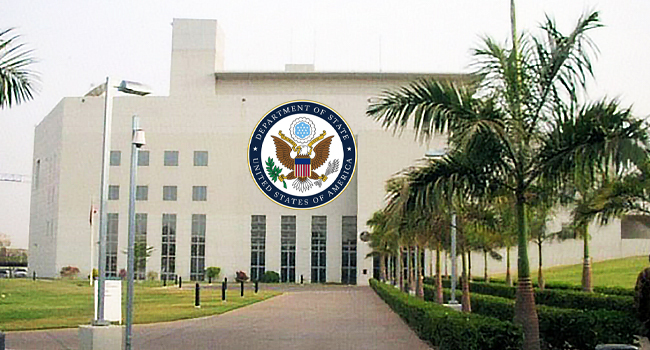
The US Embassy in Abuja is still processing visas—but not all visa applicants are being handled there.
The United States Mission in Nigeria has clarified that its decision to realign routine visa services from Abuja to Lagos does not mean the embassy has stopped all visa processing.
The distinction matters, particularly for foreign journalists and media professionals applying for I visas, as well as diplomats and other official travellers whose applications fall under separate visa arrangements.
The changes took effect on August 1, 2026, as part of a broader US effort to reorganise overseas consular operations, strengthen screening and make greater use of designated regional processing centres.
Abuja Embassy Remains Open
The restructuring does not amount to the closure of the US Embassy in Abuja.
Instead, routine visa applicants are being directed to designated regional hubs. For Nigeria, Lagos is the designated location for routine visa processing.
At the same time, the Abuja Embassy continues to handle certain visa categories associated with diplomatic and official travel, including:
- A visas — diplomatic and government officials.
- G visas — representatives travelling for recognised international organisations.
- C visas — certain travellers passing through the United States in connection with international travel.
That means the end of routine processing in Abuja should not be read as the end of consular operations at the mission.
What About Journalists?
This is where the clarification becomes especially important.
The I visa is the non-immigrant category used by qualifying representatives of the foreign media, including journalists and certain other media professionals travelling to the United States for professional purposes.
The restructuring of routine visa services therefore does not, by itself, mean that legitimate foreign media representatives have lost access to the I-visa route.
However, applicants should determine the correct processing arrangements for their specific visa category before making travel or appointment plans.
Why Did the US Change the System?
The United States government has described the wider restructuring as an effort to improve several aspects of consular operations.
The stated objectives include:
- strengthening security screening;
- improving consistency in visa adjudication;
- making more efficient use of consular resources; and
- aligning overseas visa operations with broader US national interests.
The changes affect multiple US diplomatic locations, including posts elsewhere in Africa, with routine applicants being redirected to designated regional hubs.
More Scrutiny for Visa Applicants
The Abuja changes come amid broader developments in US visa screening and immigration policy.
Applicants across several visa categories are facing increased attention to security and background checks, while foreign media representatives have also been affected by recent policy developments.
Another rule scheduled to take effect in September 2026 will change how I-visa holders are admitted to the United States. Instead of the previous duration-of-status arrangement, qualifying foreign media representatives will generally receive an admission period of up to 240 days, subject to the applicable rules and any authorised extension.
That change is separate from the Abuja processing realignment but adds another layer for foreign journalists to consider when planning US travel.
What Applicants Need to Know
The practical takeaway is straightforward:
Abuja has not stopped all visa processing. Routine processing has been reorganised.
Applicants should therefore:
- Identify the correct visa category before beginning the application process.
- Check whether their category is handled in Abuja or through the regional system.
- Plan for Lagos processing if applying through the routine visa channel.
- For diplomatic and official travel, consult the relevant protocol office about the appropriate visa arrangements.
For Nigerian applicants, the biggest change is logistical rather than a blanket suspension of US visa services.
For journalists, diplomats and other specialised travellers, the visa category remains critical.
The US Embassy in Abuja remains operational. What has changed is where—and for whom—routine visa processing takes place.