
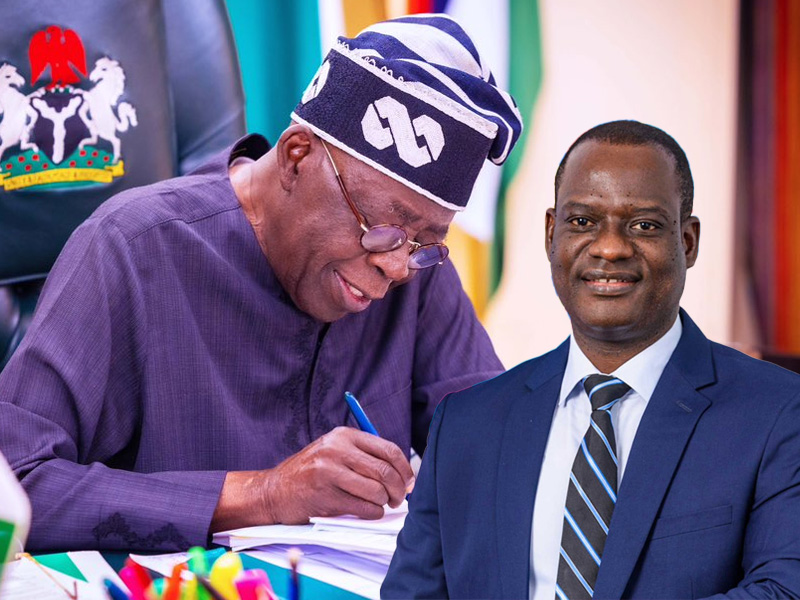
President Bola Tinubu says Nigerians deserve a clear account of what his government’s economic reforms have delivered—and what they have cost.
More than three years after the administration began implementing major economic changes, Tinubu has directed the Minister of Finance and Coordinating Minister of the Economy, Taiwo Oyedele, to present Nigerians with a detailed scorecard of the reforms.
The President made the announcement on Wednesday through his verified X account, saying citizens should be able to assess how the government’s economic decisions have affected their families, businesses and the wider economy.
You might want to read this: FG Tightens Rules on Foreign Travel by Public Officials
Tinubu: Nigerians deserve the numbers
Reflecting on the beginning of the reform programme in 2023, Tinubu said the government’s difficult decisions were intended to create a stronger economy and improve the country’s long-term prospects.
He said the new Reforms Scorecard would provide an account of the results achieved so far, the sacrifices associated with the policies and the costs the government believes were avoided by implementing them.
The President has consequently tasked Oyedele with explaining the figures and the policy choices behind them.

What the scorecard is expected to cover
According to Tinubu, the presentation should give Nigerians a clearer picture of:
- What the reforms have achieved
- The economic and social costs associated with them
- The progress recorded so far
- The policy choices made by the government
- The challenges and work that remain
The directive comes as Nigerians continue to grapple with the effects of major economic changes introduced since 2023.
By asking the Finance Ministry to present the government’s account, Tinubu is effectively putting the reform programme under a more public spotlight.
A demand for transparency
The President stressed that Nigerians should have access to the data needed to understand the reforms and their consequences.
He said citizens deserve to know what has changed and what those changes mean for households, businesses and the country as a whole.
The scorecard will therefore provide an opportunity for the government to explain not only the benefits it attributes to its policies, but also the difficulties and sacrifices that accompanied them.
The next step is for Nigerians to see the numbers—and judge the results for themselves.