
Nigeria is digitising birth registration. But millions of children are still at risk of never being counted.
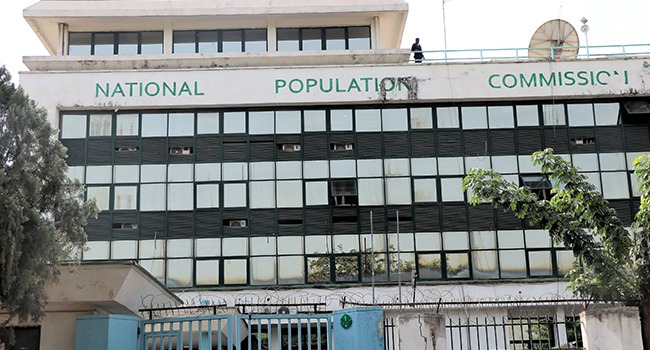
The National Population Commission (NPC) says only about 40% of births in Nigeria are currently registered, leaving a substantial share of children outside the country’s formal civil registration system.
With more than five million children born in Nigeria each year, the Commission is warning that the registration gap could persist—or widen—unless digital services reach more families, particularly those in underserved communities.
NPC Chairman Dr Aminu Yusuf raised the concern on Monday in Abuja during a media briefing marking the 2026 Africa Civil Registration and Vital Statistics (CRVS) Day.
He called for faster adoption of digital registration, stronger public awareness and wider access to registration services.

Nigeria Has Gone Fully Digital
The warning comes shortly after the NPC launched a nationwide digital Civil Registration and Vital Statistics system on the VitalReg platform on July 1, 2026.
The rollout marked the end of manual registration and represents Nigeria’s contribution to the new 2026–2036 African CRVS decade, which places greater emphasis on integrating, decentralising and digitising civil registration systems.
But Yusuf stressed that introducing the technology is only the beginning.
A digital system cannot produce complete national data if millions of citizens never use it.
Why Digital Registration Matters
Moving away from paper records is expected to improve how Nigeria stores, verifies and uses vital information.
According to the NPC, the digital platform offers several advantages:
- Centralised electronic records that are less vulnerable to physical loss or damage
- Better integration with health, identity, statistical and planning systems
- Automated verification to reduce duplicate records
- Unique identifiers that strengthen data integrity
- Faster production of statistics on births, deaths, marriages and other vital events
- Reduced administrative delays and fewer barriers caused by distance
The broader objective is to create a reliable source of demographic information that government can use when planning public services.
That matters because population data influences decisions on schools, hospitals, infrastructure, social protection and resource allocation.
Taking Registration Closer to Families
The NPC acknowledges that technology alone will not close the registration gap.
Its strategy therefore involves partnerships with government agencies, local authorities, healthcare providers, development organisations and technology companies.
In January 2025, the Commission signed a partnership compact with the Association of Local Governments of Nigeria (ALGON), the National Identity Management Commission (NIMC), UNICEF and Bankforte Technologies Limited.
The initiative is intended to decentralise registration, improve connections between government databases and make digital registration more accessible at community level.
The NPC is also working with the National Primary Health Care Development Agency (NPHCDA), state governments and health institutions to integrate birth registration into routine healthcare.
The idea is straightforward:
If a child can be registered where they receive healthcare, families may no longer need to make a separate journey to a registration office.
Digital Services Reach 4,000 Wards
The decentralisation programme has already extended digital civil registration services to approximately 4,000 of Nigeria’s 8,809 wards, according to the NPC.
The Commission is also expanding its physical registration network.
It currently has more than 4,000 functional registration centres across the 774 Local Government Areas and plans to increase that number to about 8,000.
More centres should reduce the distance, time and transportation costs involved in obtaining official registration.
For families in rural and hard-to-reach communities, that could make the difference between a child being formally registered and remaining absent from the national record.
Why Being Counted Matters
Birth registration is not simply an administrative formality.
A reliable civil registration system helps establish legal identity, supports access to public services and strengthens the protection of individual rights.
It also gives government a clearer picture of the population it needs to serve.
When births and deaths are systematically recorded, authorities can make better-informed decisions about:
- Healthcare capacity
- Education provision
- Social protection
- Infrastructure
- Population planning
- Public-resource allocation
The same system also provides a foundation for tracking demographic changes over time.
The Next Decade Will Test the Reform
Nigeria is entering the 2026–2036 CRVS decade with a major technological reform already underway.
The challenge now is implementation.
The NPC wants state and local governments, traditional and religious leaders, healthcare providers, civil society organisations, development partners and businesses to help drive adoption.
Yusuf also called on the media to intensify public education about birth and death registration and make families aware that digital services are available.
Ultimately, the success of the reform will not be measured by how sophisticated the platform is.
It will be measured by how many Nigerians actually appear in it.
With more than five million births occurring every year, Nigeria has little room for a slow transition.
The country has built the digital infrastructure. The next task is making sure every family can—and does—use it.