
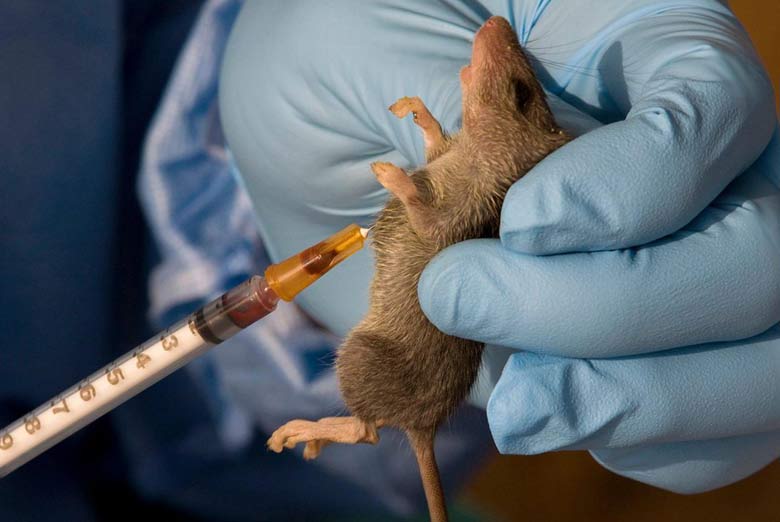
Nigeria’s Lassa fever outbreak has claimed 237 lives in the first 30 epidemiological weeks of 2026, with infections reported across 23 states and 116 Local Government Areas.
The latest figures from the Nigeria Centre for Disease Control and Prevention (NCDC) show that the country recorded 17 new confirmed cases between July 20 and 26, taking the year-to-date total to 1,000 confirmed infections.
Weekly infections declined slightly from the 20 cases recorded in the previous week.
But the bigger concern is the number of people dying.
Fatality Rate Rises to 23.7%
Nigeria’s cumulative Case Fatality Rate (CFR) reached 23.7% by epidemiological week 30, compared with 18.8% during the same period in 2025.
The year-on-year comparison is stark.
At the same point in 2025, Nigeria had recorded:
- 825 confirmed cases
- 155 deaths
- Cases in 21 states
- Cases across 105 LGAs
By week 30 of 2026, all four indicators had increased.
Suspected infections also rose from 6,731 in 2025 to 6,960 this year, while six probable cases have been recorded.
So although the latest weekly number fell, the overall outbreak remains more severe than it was a year ago.
Five States Carry 86% of Confirmed Cases
The outbreak is heavily concentrated geographically.
Five states account for approximately 86% of Nigeria’s confirmed Lassa fever cases:
| State | Share of confirmed cases |
|---|---|
| Ondo | 32% |
| Bauchi | 25% |
| Taraba | 13% |
| Edo | 10% |
| Benue | 6% |
The 17 cases reported during week 30 came from Ondo, Bauchi, Edo and Benue.
Ondo alone accounts for nearly one-third of all confirmed infections recorded nationally.
Young Adults Among the Most Affected
People aged 21 to 30 years make up the predominant age group among confirmed cases.
However, the disease has affected a much broader age range. Confirmed infections have been recorded in people aged from one year to 93 years, with the median age standing at 30.
The distribution between sexes was relatively close, with a male-to-female ratio of approximately 1:0.9.
Healthcare workers also remain at risk.
One health worker contracted Lassa fever during the latest reporting week, highlighting the occupational exposure faced by medical personnel caring for infected patients.
NCDC Expands Response
The NCDC said it is working with state governments, development partners and other stakeholders to strengthen the country’s response across surveillance, diagnosis, treatment and infection prevention.
Current measures include:
- Training healthcare workers in case management and infection prevention
- Community engagement and public awareness campaigns
- Increased surveillance and early referral of suspected cases
- Distribution and pre-positioning of personal protective equipment
- Deployment of rapid-response teams to seven high-burden states
- Active case searches and contact tracing
- Laboratory testing to support faster diagnosis
- Expanded hand-hygiene initiatives
The agency has also introduced a 30-day Healthcare Worker Protection Plan targeting frontline personnel in states where Lassa fever is endemic.
Incident Management Systems have been activated in Benue, Plateau, Kebbi, Kano and Gombe.
Why Patients Are Still Dying
The NCDC identified late presentation as one of the major factors behind the high fatality rate.
The longer patients wait before seeking care, the harder it can become to manage severe disease.
Other obstacles identified by the agency include:
- High treatment and clinical-management costs
- Delayed or inadequate health-seeking behaviour
- Poor environmental sanitation
- Limited public awareness
- Infections among healthcare workers
These factors can reinforce one another.
A person who does not recognise the symptoms may delay seeking treatment. Cost may create another barrier. Poor infection-control practices can then expose health workers and other patients.
Early recognition and treatment therefore remain critical.
NCDC Urges Year-Round Prevention
The agency is calling on state authorities to make Lassa fever education and community engagement a continuous effort rather than a seasonal response.
Healthcare workers have also been urged to maintain a high index of suspicion, refer suspected patients promptly and strictly follow infection prevention and control procedures.
For states, the priority is broader: strengthen the ability to prevent, detect and respond quickly when cases emerge.
The Warning Behind the Numbers
The drop from 20 cases in week 29 to 17 in week 30 is encouraging—but it does not yet signal that the wider outbreak is under control.
Nigeria has already recorded 1,000 confirmed cases and 237 deaths this year, both substantially higher than the corresponding figures in 2025.
The figures point to a familiar but urgent lesson in infectious-disease control:
Finding cases early saves lives.
Better surveillance can identify outbreaks sooner. Public awareness can encourage earlier treatment. Stronger sanitation can reduce exposure risks. And protecting healthcare workers can prevent health facilities from becoming points of transmission.
For the states carrying the greatest burden, those interventions are not simply about containing this year’s outbreak.
They are about preventing the next death.