Nigeria is turning to digital weather services and artificial intelligence to help farmers cope with unpredictable rainfall, extreme weather and the growing risks posed by climate change.
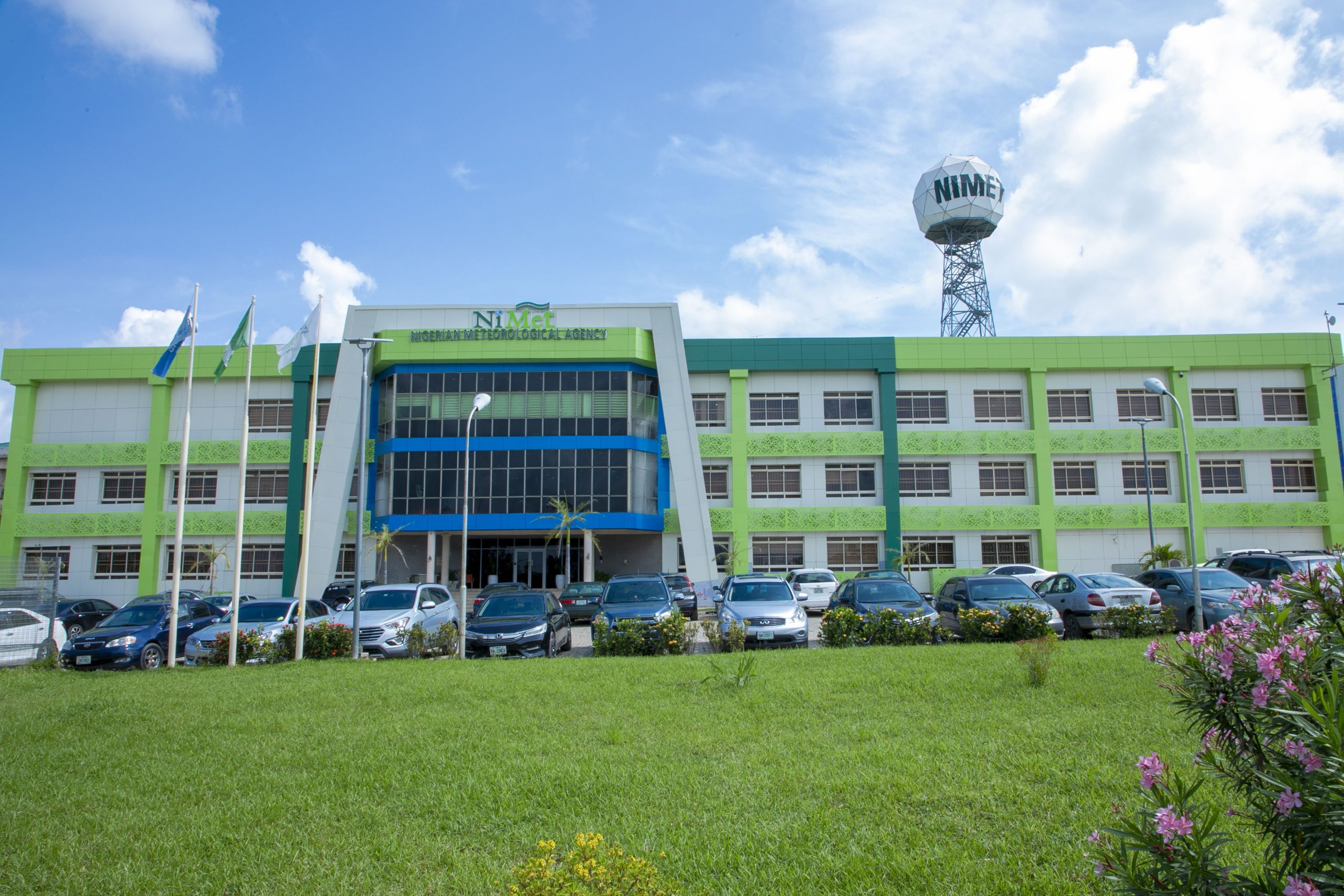
The Nigerian Meteorological Agency (NiMet) says it is strengthening its weather and climate information services as part of efforts to improve agricultural productivity, build resilience and support food security across the country.
NiMet Director-General and Chief Executive Officer, Charles Anosike, made the commitment while delivering a goodwill message at a national strategic dialogue focused on the development of Nigeria’s digital agriculture framework.
The meeting, organised by the Federal Ministry of Agriculture and Food Security under the World Bank-supported AGROW Project, is focused on preparing the AGROW Component 2.2 National Implementation Strategy and Digital Agriculture Architecture.
The initiative comes as Nigerian farmers increasingly contend with changing rainfall patterns, climate variability and extreme weather events that can disrupt planting, crop development and harvests.
Why Weather Information Is Becoming Critical for Farmers
Agriculture is highly dependent on weather conditions, making accurate and timely forecasts an important tool for farmers.
Changes in the timing and distribution of rainfall can affect when farmers plant, how much water crops require and which agricultural inputs are appropriate.
Extreme weather can create additional risks, particularly for farmers who have limited resources to recover from crop losses.
Anosike said reliable climate information can help farmers make better decisions throughout the agricultural cycle.
NiMet already provides Seasonal Climate Predictions, regular weather updates, agrometeorological services and impact-based advisories designed to support decisions on planting, water management and the use of agricultural inputs.
But the agency wants to take those services further by using digital technology to deliver information directly to farmers.
Digital Agriculture Could Put Climate Information in Farmers’ Hands
Anosike described digital agriculture as an important link between climate information and practical decision-making at farm level.
The objective is not simply to produce better weather forecasts.
The bigger challenge is ensuring that farmers receive information they can understand and use at the right time.
A highly accurate forecast has limited value if it does not reach a farmer before planting, irrigation or other important agricultural decisions have already been made.
This is where digital advisory services could make a difference.
Mobile phones, artificial intelligence and other digital platforms can potentially deliver location-specific information directly to farmers, allowing them to respond more quickly to changing weather conditions.
NiMet Is Already Testing Digital Climate Advisories
NiMet has developed partnerships aimed at expanding the use of digital climate services.
One of its initiatives involves collaboration with Tomorrow.io and MTN on the Digital Climate Advisory Services (DCAS) System.
The system is designed to provide farmers with location-specific weather advisories through mobile SMS.
The use of SMS is particularly significant because it can reach farmers through widely available mobile technology without requiring sophisticated smartphones or constant internet access.
For farmers operating in areas with limited digital infrastructure, simple mobile-based communication could provide an important connection to timely weather information.
NiMet is also working with AIM for Scale to integrate artificial intelligence-based weather forecasting into agricultural advisory systems.
The use of AI could help strengthen forecasting and improve the ability of digital platforms to deliver more targeted information to farmers.
AI Could Transform Agricultural Weather Forecasting
Artificial intelligence is increasingly being explored as a tool for improving weather prediction and decision-making.
For agriculture, more detailed and timely forecasts could help farmers anticipate changing conditions and adjust their activities accordingly.
That could include decisions involving planting dates, water management, crop protection and agricultural inputs.
However, technology alone will not solve the problem.
Anosike stressed that digital agricultural services must be designed around the realities faced by farmers.
That means taking into account language, literacy, internet and mobile connectivity, affordability and gender inclusion.
A digital platform may be technically advanced, but its impact will remain limited if farmers cannot access it, understand the information or afford to use the service.
Reaching Farmers Beyond the Smartphone
One of the biggest challenges facing digital agriculture is the so-called last-mile problem: getting useful information from institutions and technology platforms to farmers in communities across Nigeria.
NiMet believes this will require collaboration across several sectors.
Extension workers can help farmers interpret and apply climate information. Telecommunications companies can support digital delivery, while community radio can reach farmers who may have limited access to internet-based services.
Farmer organisations can also play an important role in connecting agricultural communities with new advisory tools.
Combining these channels could make climate information more accessible and increase the likelihood that forecasts translate into real changes in farming practices.
Language and Gender Inclusion Must Be Part of the Strategy
The effectiveness of climate services will also depend on how well they reflect the diversity of Nigeria’s agricultural communities.
Farmers operate in different regions, speak different languages and have varying levels of literacy and access to technology.
Women farmers may also face specific barriers to accessing information, financial services and digital technology.
For this reason, Anosike called for digital agricultural services to be developed with inclusion in mind from the beginning.
The goal is to ensure that climate information does not become another resource that is concentrated among farmers with better connectivity, education or financial capacity.
NiMet Calls for a Clear Roadmap
Anosike commended the Minister of Agriculture and Food Security, Senator Abubakar Kyari, for promoting climate-smart agriculture and urged stakeholders involved in the AGROW initiative to develop an inclusive and measurable roadmap.
Such a roadmap would help integrate weather and climate services across Nigeria’s agricultural value chain.
That integration could strengthen the connection between forecasting, farming decisions and broader agricultural planning.
It could also help ensure that climate information becomes part of routine agricultural decision-making rather than something farmers access only during periods of extreme weather.
Climate Information Could Strengthen Nigeria’s Food Security
Nigeria’s food-security ambitions are closely linked to its ability to manage climate-related risks.
Farmers need reliable information to make decisions in an environment where weather patterns are becoming increasingly difficult to predict.
Strengthening access to climate information will not eliminate those risks, but it can give farmers more tools to manage them.
Digital advisory services, mobile technology and AI-based forecasting could therefore become important components of Nigeria’s wider climate-smart agriculture strategy.
The success of those efforts, however, will depend on whether the technology reaches farmers in a form that is affordable, accessible and genuinely useful.
The Road Ahead for Digital Agriculture in Nigeria
NiMet says it is ready to provide the technical expertise required to advance Nigeria’s digital agriculture ambitions.
The agency’s expanding work with technology companies, telecommunications providers and development partners points to a broader shift in how weather information could be delivered to farmers.
Instead of relying solely on traditional forecasts, farmers could increasingly receive personalised and location-specific guidance directly through digital channels.
If properly implemented, that could help farmers make better decisions, reduce exposure to weather-related losses and strengthen agricultural resilience.
For Nigeria, the stakes are significant.
As climate variability continues to challenge agricultural production, better weather information could become one of the country’s most important tools for protecting farmers and strengthening food security.
The next challenge is making sure that information reaches the people who need it most—and reaches them in a form they can actually use.