
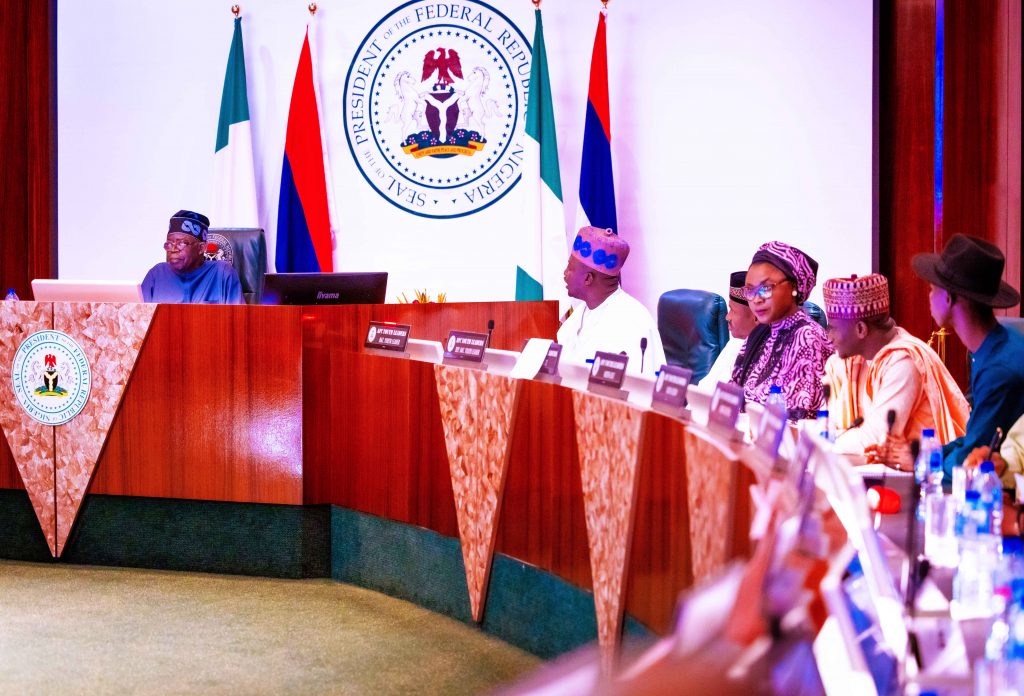
Nigeria has taken another step towards its ambitious $1 trillion economy target by 2030, with the Federal Government unveiling new trade intelligence tools designed to help local businesses access international markets, attract productive investments and strengthen the competitiveness of domestic industries.
The initiative, announced by the Minister of Industry, Trade and Investment, Dr Jumoke Oduwole, in Abuja, is expected to give Nigerian exporters and investors better access to reliable market information, helping them identify business opportunities, understand international trade requirements and turn economic reforms into tangible commercial gains.
The move comes as Nigeria records significant growth in capital inflows and non-oil exports, raising expectations that stronger trade infrastructure and increased private-sector participation could accelerate economic diversification, industrial development and job creation.
However, the government acknowledges that important challenges remain, including high production costs, limited access to financing, logistical difficulties and complicated trade procedures that continue to affect Nigerian businesses seeking to compete globally.
FG Introduces Trade Intelligence Tools to Help Nigerian Businesses Expand Globally
Speaking at the unveiling in Abuja, Oduwole explained that access to credible market intelligence was essential to helping Nigerian businesses make informed decisions and take advantage of emerging opportunities in international trade.
The new tools are intended to provide exporters and investors with practical information about potential markets, applicable tariffs and the requirements for entering foreign markets.
With better information, businesses should be able to assess demand, identify suitable destinations for their products and understand the regulations they must meet before shipping goods abroad.
For many Nigerian exporters, navigating international trade can involve significant uncertainty. Differences in market regulations, documentation requirements, tariffs and logistics arrangements can increase costs and make it difficult for businesses to determine whether a particular export opportunity is commercially viable.
The government’s initiative seeks to address some of these information gaps by making market intelligence more accessible and useful for business planning.
According to Oduwole, the broader objective is to ensure that the country’s economic reforms produce measurable results, including increased industrial activity, stronger exports and more employment opportunities.
The tools are also expected to help businesses move beyond identifying potential buyers and investors to completing actual commercial transactions.
Capital Inflows Rise Above $23 Billion as Non-Oil Exports Hit Record
Nigeria’s latest trade and investment figures provide an important backdrop to the government’s initiative.
Oduwole disclosed that capital importation increased from approximately $3.9 billion in 2023 to more than $23 billion in 2025, representing a substantial rise in foreign capital entering the country.
She also reported that non-oil exports reached a record ₦12.36 trillion, with Nigerian products gaining access to more than 120 countries.
The figures point to growing opportunities for businesses outside the oil sector and reflect the potential for Nigerian goods to reach a wider international customer base.
Expanding non-oil exports is particularly important to the country’s economic diversification ambitions. Stronger performance in manufacturing, agriculture, processed commodities and other productive sectors could help broaden the sources of export earnings while creating opportunities for local businesses.
Nevertheless, the minister stressed the need to convert these gains into productive investments, completed export transactions and stronger domestic industries.
In other words, attracting capital and securing access to foreign markets are only part of the process. The next challenge is ensuring that investments support productive activities, businesses fulfil export orders and domestic industries become more competitive.
The trade intelligence initiative is expected to contribute to that transition by helping businesses identify commercially attractive opportunities and make better-informed decisions.
Intra-African Trade Growth Creates New Opportunities for Nigeria
The minister also highlighted a 21 per cent increase in intra-African trade in 2025, describing the development as an opportunity for Nigeria to expand its participation in regional and international markets.
Growing trade within Africa offers Nigerian companies the prospect of reaching new customers, developing regional supply chains and building stronger commercial relationships with businesses across the continent.
For exporters, neighbouring and other African markets may provide opportunities to expand sales and establish a presence in markets where demand for Nigerian goods and services is increasing.
However, taking advantage of these opportunities requires more than identifying potential buyers. Businesses must also understand the applicable trade rules, determine the costs of delivering products and ensure that their goods meet relevant market-entry requirements.
These considerations are particularly important for smaller businesses that may lack the resources to conduct extensive market research or navigate complex export procedures independently.
By improving access to trade intelligence, the government hopes to make it easier for Nigerian companies to evaluate opportunities and participate more effectively in regional commerce.
The minister’s remarks also underline the importance of connecting Nigeria’s domestic production capacity with growing demand across African markets.
High Costs and Logistics Continue to Challenge Exporters
Despite the encouraging trade figures, Nigerian businesses continue to face several obstacles that can limit their ability to compete internationally.
Oduwole identified high production costs, inadequate access to finance, logistics constraints and complex trade procedures among the challenges confronting exporters.
These difficulties can affect businesses at different stages of the export process, from sourcing raw materials and financing production to transporting finished goods and meeting foreign market requirements.
For manufacturers, high operating costs can make Nigerian products less competitive against goods produced in countries with lower production or transportation expenses.
Limited access to finance can also prevent businesses from expanding production, purchasing equipment, meeting large orders or investing in the systems needed to satisfy international standards.
Meanwhile, logistical challenges and complicated documentation procedures may increase delivery costs and create uncertainty for exporters trying to fulfil orders on schedule.
The new trade intelligence tools are intended to help businesses make better decisions before committing resources to export activities.
By providing information on market opportunities, tariffs and entry requirements, the initiative could help companies assess risks, estimate costs and determine which markets offer the strongest commercial potential.
However, access to information alone will not resolve every structural challenge. Sustained improvements in financing, production efficiency, transport infrastructure and trade administration will remain important to the country’s wider export ambitions.
Trade Portal Set for Launch at CANEX Weekend 2026
A major part of the initiative is the Federal Ministry of Industry, Trade and Investment’s planned Trade Portal, which Oduwole said would be formally launched during CANEX Weekend 2026.
The event is scheduled to take place from November 5 to 8, 2026.
The portal is expected to provide businesses with market intelligence and support efforts to convert trade contacts into actual commercial transactions.
Its launch would provide a platform for advancing the government’s broader objective of helping Nigerian businesses identify international opportunities and turn them into measurable export activity.
The timing is also significant because CANEX Weekend is among the strategic platforms identified by the minister for promoting Nigerian products and connecting businesses with international buyers and investors.
Such events can provide opportunities for companies to showcase their products, establish commercial relationships and explore potential partnerships beyond the domestic market.
The government is also looking towards the Intra-African Trade Fair 2027 as another important opportunity to strengthen Nigeria’s presence in regional and international commerce.
Together, these platforms are expected to support efforts to improve the visibility of Nigerian products and encourage stronger connections between local producers and prospective buyers.
NACCIMA Urges Businesses to Invest in Value-Added Exports
Meanwhile, the President of the Nigerian Association of Chambers of Commerce, Industry, Mines and Agriculture (NACCIMA), Jani Ibrahim, has called for increased private-sector investment in value-added exports, competitive manufacturing and priority export value chains.
Ibrahim emphasised that stronger investment in these areas would help improve the global competitiveness of Nigerian products, increase domestic value addition and create more jobs.
Value addition involves processing or improving products before they are sold, rather than exporting them primarily in their raw form.
For Nigerian businesses, greater investment in processing, manufacturing and related activities could create opportunities to retain more economic value within the country while expanding the range of products available to international buyers.
Stronger domestic industries could also support employment, encourage investment in productive capacity and help Nigerian companies develop more competitive products for regional and global markets.
Ibrahim stressed the importance of strengthening local industries so the country could take fuller advantage of emerging trade opportunities.
His position reinforces the view that export growth must be supported by productive domestic businesses capable of supplying goods that meet international demand.
Can Nigeria Achieve Its $1 Trillion Economy Target by 2030?
The Federal Government’s introduction of trade intelligence tools forms part of its wider ambition to build a $1 trillion economy by 2030.
The increase in capital importation, record non-oil export earnings and expansion of intra-African trade highlighted by Oduwole provide encouraging indicators of the opportunities available to Nigeria.
Yet achieving the country’s economic target will require more than attracting foreign capital or opening new markets. It will also depend on whether businesses can expand production, secure financing, overcome logistical obstacles and consistently deliver competitive products to buyers.
The proposed Trade Portal could help address information gaps that prevent exporters from making the most of available opportunities. Its broader impact, however, will depend on how effectively businesses use the information and whether other barriers to trade are addressed.
For now, the government’s message is clear: Nigeria must turn rising investment and export activity into stronger industries, more productive businesses and sustainable job creation.
With the planned launch of the Trade Portal at CANEX Weekend 2026 and further opportunities expected through the Intra-African Trade Fair 2027, the coming period could prove important for Nigerian companies seeking to expand beyond the domestic market.
Ultimately, the success of the initiative will be measured not simply by the availability of new trade tools, but by the investments attracted, export transactions completed, industries strengthened and jobs created as Nigeria pursues its $1 trillion economy ambition.