
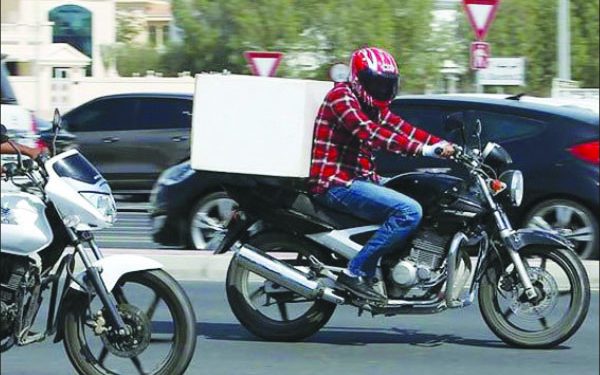
Abuja is moving to put a name and number to every legitimate dispatch rider.
The Federal Capital Territory Administration (FCTA) has partnered with the National Union of Dispatch Riders and Mail Operators of Nigeria (NUDRMON) to improve rider identification and help authorities distinguish legitimate operators from criminals using dispatch services as cover.
The partnership was announced on Wednesday by Chinedum Elechi, Mandate Secretary of the FCTA Transportation Secretariat, during a meeting with NUDRMON officials in Abuja.
A new identity system for riders
At the centre of the initiative is a central database, registration portal and unique identification number for registered dispatch riders.
The system is designed to give authorities and the public a straightforward way to verify whether a rider is properly registered.
That distinction has become increasingly important amid security concerns surrounding unidentified riders and allegations that some operators may use dispatch boxes to conceal illegal items.
Elechi welcomed the union’s identification programme and said it could help authorities separate legitimate riders from those exploiting the industry for criminal purposes.
He also pledged the support of FCT Minister Nyesom Wike and the Transportation Secretariat, stressing that closer cooperation between government and legitimate riders would make enforcement more effective.
The message was simple: government can protect and regulate an industry more effectively when it knows who is operating within it.
Why the industry wants a database
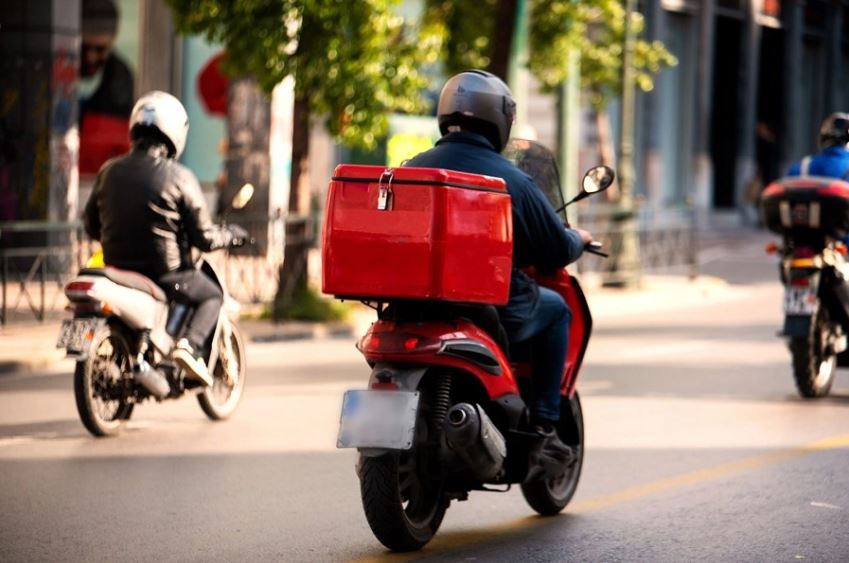
NUDRMON National President Emmanuel Kwaghdega said the registration system was created to give every legitimate rider a unique and verifiable identity.
Dispatch riding has grown into a significant source of employment for Nigerian youths, particularly since the COVID-19 pandemic. Riders now support a wide range of everyday services, including:
- Restaurants and food delivery
- Pharmacies
- E-commerce businesses
- Financial institutions
- Corporate organisations
- Households
But the sector also faces a growing list of problems.
Security concerns, traffic offences, road accidents, multiple operating permits and inconsistent identification systems have made it harder to distinguish responsible operators from offenders, according to Kwaghdega.
The union’s argument is that better identification could address both sides of the problem: protect legitimate riders while making offenders easier to trace.
“One ride, one identity”
NUDRMON’s proposed approach is built around a straightforward principle: one ride, one identity and one verifiable body number.
With reliable rider data, the union believes authorities could improve security monitoring, strengthen accountability and support interventions involving accidents and rider welfare.
The database could also make it easier for riders to engage with residential estates, businesses and other organisations that need to verify delivery personnel before granting access.
For government, the information could provide a stronger basis for transportation planning and regulation.
Kwaghdega also said the system could help address the industry’s long-running concerns over multiple operational permits by creating an opportunity for government and riders to work towards a more harmonised regulatory framework.
From union project to FCT-wide solution
For NUDRMON, government participation is the critical next step.
What began as an internal effort to identify union members could become a broader system for tackling security and transportation challenges across the FCT.
The proposed partnership would give authorities a clearer picture of who is operating as a dispatch rider, while giving legitimate operators a stronger way to establish their identity.
The bigger goal is accountability without punishing an entire industry for the actions of a few.
If successfully implemented, the system could create a clearer chain of responsibility: registered riders become easier to verify, businesses and residents gain greater confidence in deliveries, and offenders become harder to hide among legitimate operators.
That is the gap the FCTA and NUDRMON now say they want to close.