
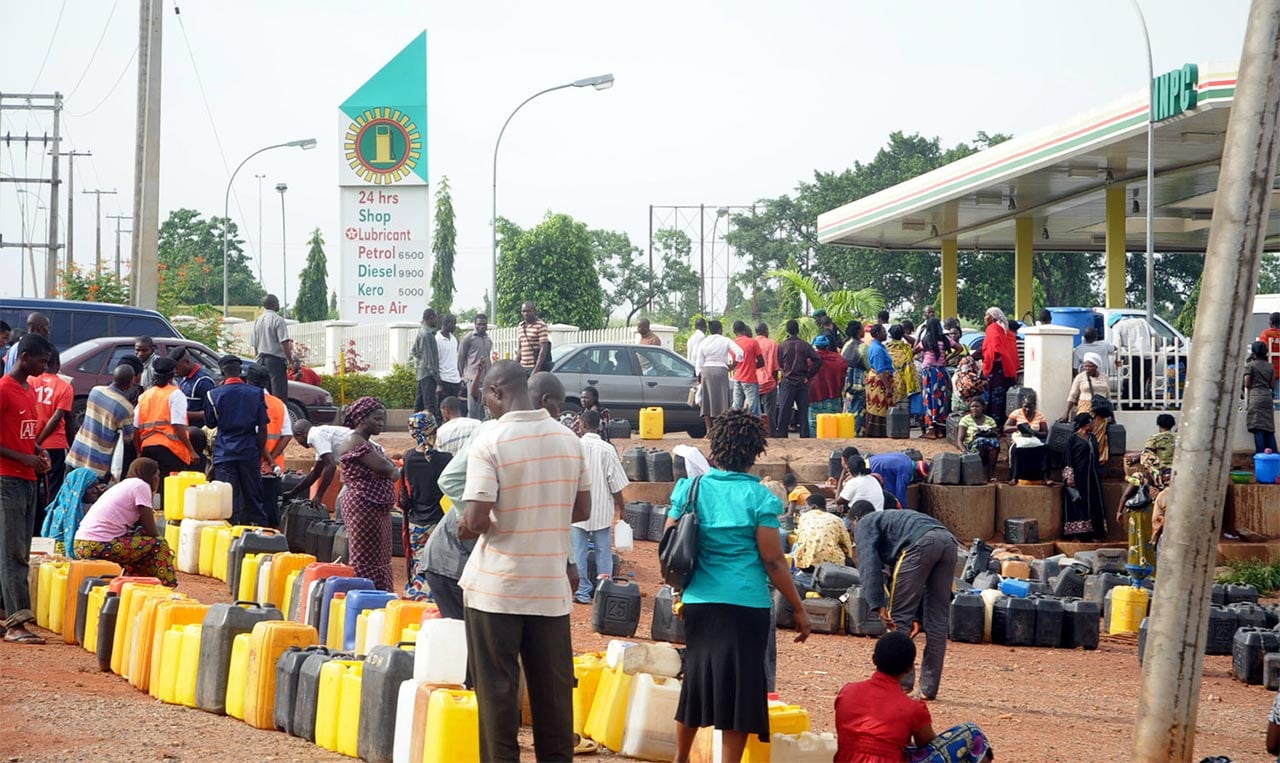
Diesel prices have crossed a major psychological threshold in Nigeria. Retail prices have climbed above ₦2,000 per litre, adding another layer of pressure for businesses, transport operators and households that depend on diesel-powered generators and equipment.
A market check on Friday found diesel, also known as Automotive Gas Oil (AGO), selling for roughly ₦2,000 to ₦2,020 per litre in Abuja and nearby areas.
That is a sharp jump from the ₦1,700–₦1,800 range recorded at several filling stations before the latest increase.
Depending on the location and station, consumers are now paying ₦220 to ₦300 more per litre.
What triggered the increase?
The latest retail spike follows a rise in depot-level diesel prices.
Several depot operators reportedly moved their selling price to around ₦1,900 per litre, with companies including Ranoil Delta, NIPCO Warri, Prudent Oghara and Zamson among those associated with the new pricing.
Once depot prices rise, filling stations face higher acquisition costs. That increase is now flowing through to motorists and other diesel users.
But there is another important piece of the puzzle.
Dangote Refinery had also raised its diesel gantry price by ₦100, bringing it to ₦1,850 per litre.
The moves come against a backdrop of elevated international crude prices. Brent crude had recently moved above $95 per barrel, although it had eased to $94.74 by Friday. West Texas Intermediate (WTI) was trading at $90.34 per barrel.
Why ₦2,000 diesel matters
For many Nigerian businesses, diesel isn’t simply another fuel expense. It is part of the cost of staying open.
Unreliable electricity supply means companies often turn to diesel generators to keep offices, shops, factories and equipment running.
The impact can spread across several areas:
- Small businesses: Higher generator costs can squeeze already-thin profit margins.
- Manufacturers: Diesel-powered machinery and backup power become more expensive to operate.
- Transport operators: Companies running diesel vehicles face higher fuel bills.
- Retailers and service providers: Businesses may increase prices to recover rising energy expenses.
- Consumers: Higher operating costs can eventually feed into the prices of goods and services.
The key concern is that diesel inflation rarely stays confined to the fuel station.
It can travel through the entire supply chain.
The question now: how long will it last?
That is the part businesses will be watching most closely.
If crude prices remain elevated and domestic supply costs continue rising, diesel could stay above the ₦2,000-per-litre mark.
A sustained decline in international crude prices, however, could ease some of the pressure.
For businesses already dealing with high operating expenses, the distinction matters. A temporary spike is painful. A prolonged increase can force difficult decisions about prices, production, transport and staffing.
For now, the ₦2,000 threshold is more than a headline number. It is another warning sign for an economy where the cost of energy can quickly become the cost of doing business.