
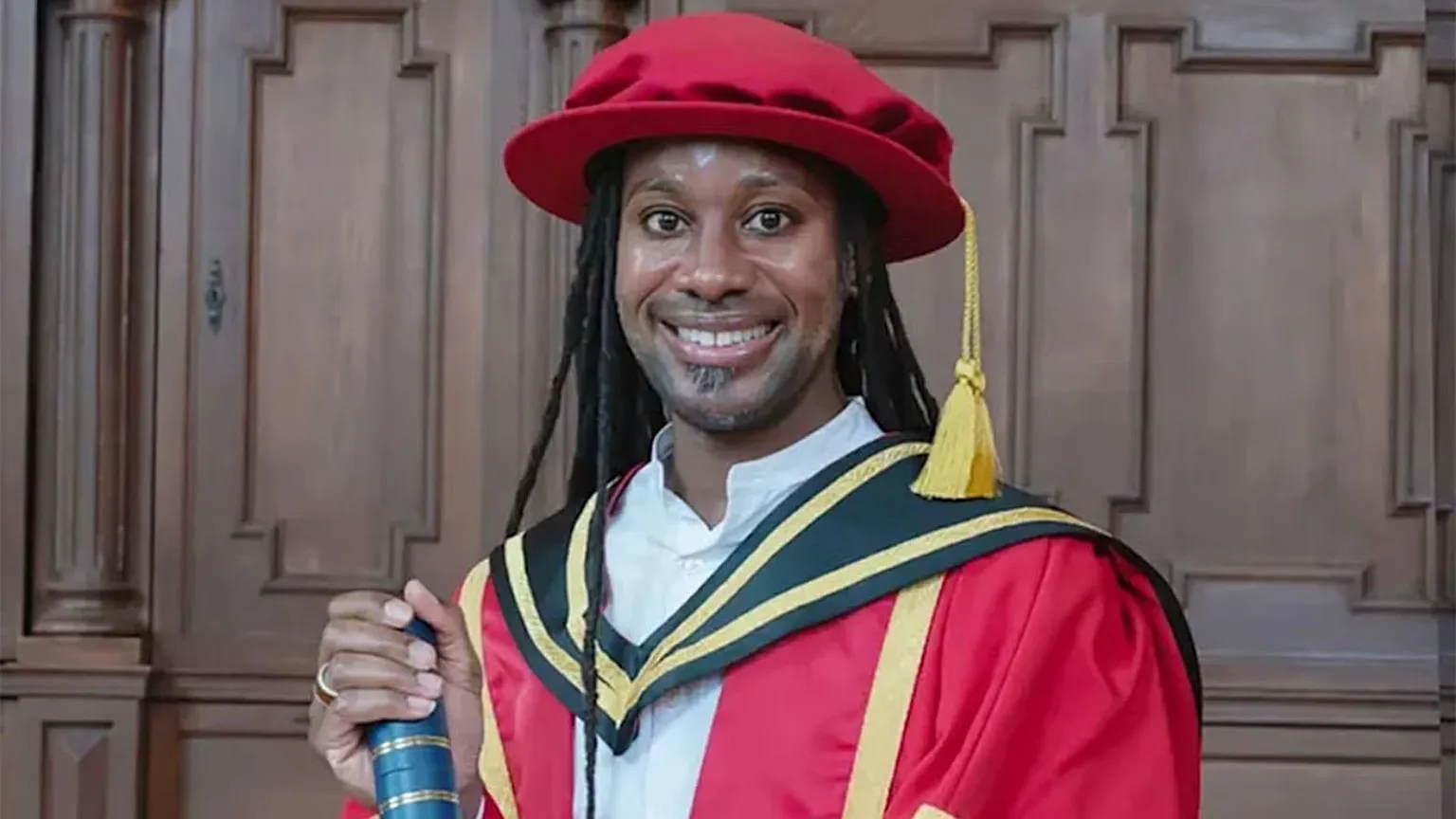
Professor Jason Arday has resigned from the University of Cambridge with immediate effect as scrutiny intensifies over his academic record, honorary appointments and allegations of academic misconduct.
Cambridge announced on Wednesday that it had opened an investigation after receiving what it described as “new information” relating to Arday’s academic qualifications and honorary positions.
Arday, who became Cambridge’s youngest Black professor in 2023, has acknowledged errors in some of his academic work but has rejected allegations that he deliberately fabricated or misrepresented his career.
Arday: ‘The personal cost became too great’
In a statement published by the Good Law Project, Arday said he chose to leave Cambridge after what he described as an unrelenting period of public scrutiny and personal attacks.
He described his professorship at Cambridge as the greatest professional privilege of his career but said the pressure had reached a point where the personal consequences were no longer sustainable.
Arday stressed that his resignation should not be interpreted as an admission that the allegations against him were true.
He said he was stepping away for the sake of his wellbeing and family and to bring an end to what he called an exceptionally difficult period.
The academic added that his departure from Cambridge would not mark the end of his professional work. He said he needed time to recover before considering a return to academia.
Questions over his academic work
The controversy escalated after reports raised questions about parts of Arday’s academic record, including allegations that sections of his PhD thesis contained material closely resembling previously published sources.
The plagiarism claims were publicly highlighted by US researcher Nathan Cofnas, who wrote about the allegations on Substack.
Cofnas claimed that plagiarism-detection software had identified passages in Arday’s work that were substantially similar to existing material. He further alleged that some passages contained only limited changes and, in certain cases, retained errors found in the original sources.
Cambridge had previously characterised the allegations as part of what it called a “vile campaign” against Arday’s credibility.
Arday, however, has maintained that while mistakes occurred in his work, they did not amount to deliberate dishonesty.
Speaking to The Times, he accepted responsibility for errors but rejected the suggestion that he had intentionally deceived anyone.
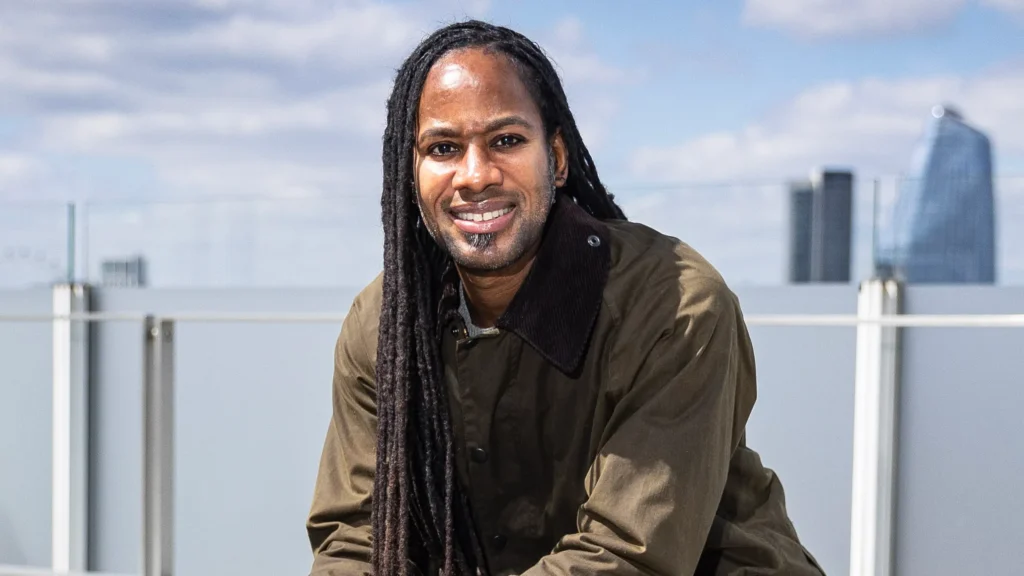
Arday alleges coordinated campaign
Arday has also argued that the criticism against him went beyond legitimate academic scrutiny.
He alleged that a coordinated campaign had been mounted to force him out of Cambridge and suggested that some of the criticism was influenced by race and opposition to diversity, equity and inclusion policies.
He has also linked mistakes in his early academic work to his autism, saying he used mimicry as part of the way he processed information.
Those explanations and allegations remain contested.
Charity and endurance claims also questioned
The controversy has expanded beyond Arday’s academic credentials.
Questions have also been raised about claims associated with his charitable fundraising and endurance challenges.
Cofnas questioned accounts attributed to Arday involving multiple marathon and long-distance running events, as well as claims that more than £5 million had been raised for charity.
Arday subsequently told The Guardian that the £5 million figure represented fundraising conducted with assistance from other people over approximately two decades.
He said confidentiality agreements prevented him from naming those individuals.
Arday also clarified a widely reported 600-mile treadmill challenge, saying it had been completed over 12 days rather than six, with rest periods included because of the physical demands involved.
He continues to stand by other running achievements attributed to him.
Cambridge says several investigations are ongoing
The university said its latest inquiry is separate from several existing complaints concerning alleged academic misconduct.
Those complaints are being considered under Cambridge’s established research misconduct procedures.
The university said it would conduct a thorough investigation in accordance with its policies and employment law while acknowledging the personal impact the controversy has had on Arday.
Jesus College, where Arday is a fellow, has also begun its own process.
The investigations have not established that the allegations are true.
Publisher stands by Arday
Despite the controversy, publisher Simon & Schuster has defended its relationship with Arday.
The company is scheduled to publish his memoir later this month and said it remained proud to publish him, praising the professionalism and integrity it said he had demonstrated during the publication process.
Police investigation into journalist ends without charge
The controversy also spilled into a separate dispute involving a journalist.
The Metropolitan Police confirmed that it investigated a journalist after receiving a harassment complaint relating to emails sent to Arday.
Police subsequently concluded that no offence had been committed.
The force also acknowledged that telling the journalist not to contact Arday again had been inappropriate and could have interfered with legitimate journalistic activity.
‘Give him space’
Jovan Owusu-Nepaul, who described himself as an associate of Arday, called the controversy regrettable.
He acknowledged the intense scrutiny surrounding Arday’s career and the possibility that some claims associated with his CV may have been inaccurate.
Owusu-Nepaul said Arday’s decision to step away from Cambridge should now be respected.
For Arday, the immediate future appears to be about distance rather than another defence.
His resignation ends his formal association with Cambridge, but it does not resolve the allegations. The university, Jesus College and other relevant processes will determine what the evidence ultimately establishes.