
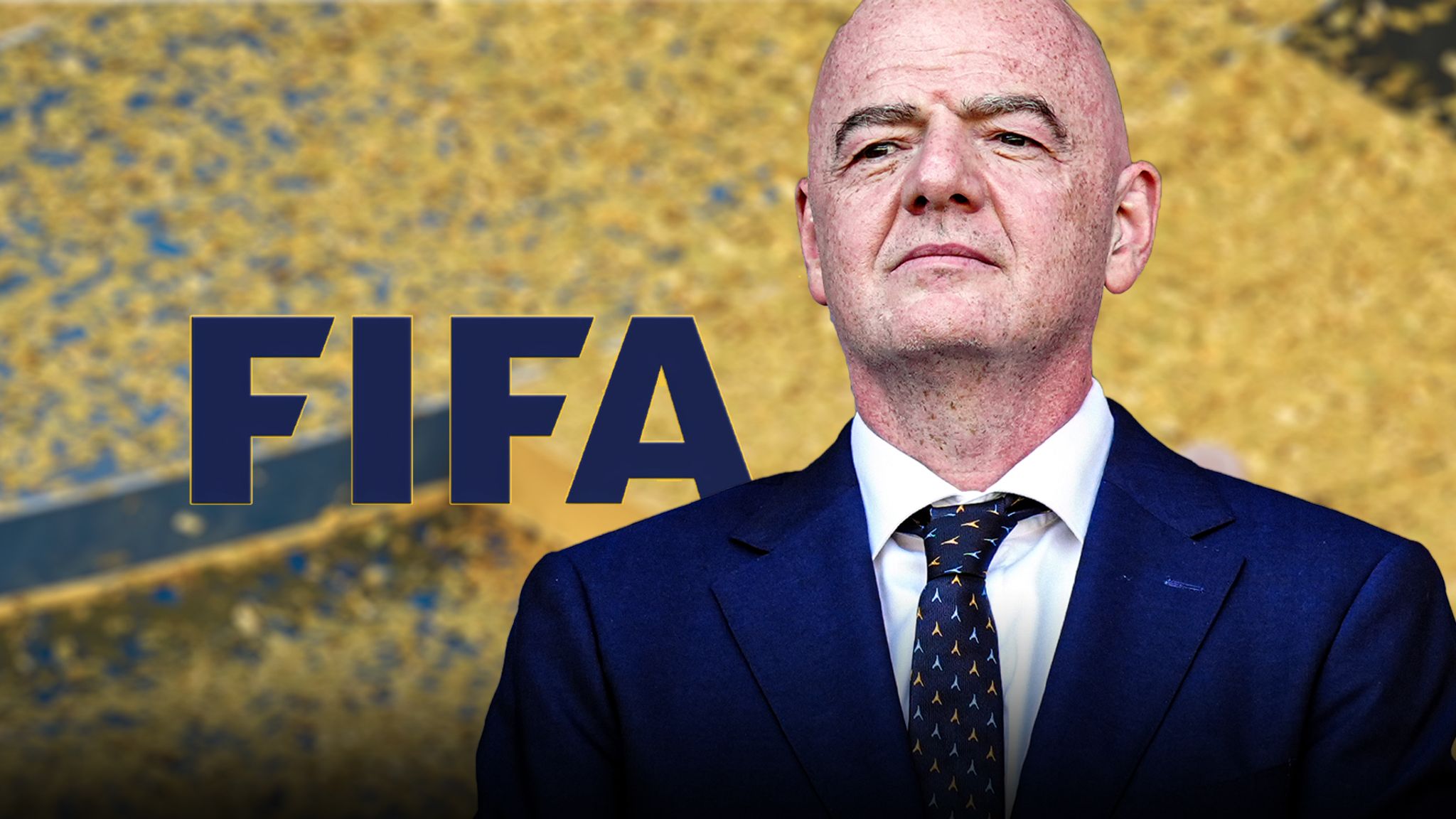
FIFA is facing a major governance challenge. Three of football’s biggest continental bodies have accused the organisation of breaking the trust placed in its leadership.
UEFA, Concacaf and the Asian Football Confederation (AFC) have jointly criticised FIFA’s handling of a proposal to sell a minority stake linked to the commercial operation of the World Cup. They argue that the process raises serious concerns about transparency, accountability and the way football’s global governing body is being run.
The dispute now appears to be moving beyond words.
Three confederations unite against FIFA
In a joint letter addressed to the wider football community, the three confederations condemned what they described as a deeply flawed decision-making process.
Their criticism centres on how the proposal was developed and presented, rather than simply on the commercial idea itself.
According to the confederations, the proposal advanced too quickly and without adequate consultation with FIFA’s member associations. They argue that the compressed timetable limited the opportunity for stakeholders to properly examine its implications.
The organisations also questioned the broader principle behind the plan: whether FIFA should be seeking outside investment in an asset as central to world football as the World Cup.
That distinction matters. The dispute is no longer simply about a proposed business structure. It has become a debate over who should have a meaningful voice in decisions affecting the sport.
The proposal at the centre of the controversy
FIFA president Gianni Infantino had proposed establishing FIFA Forward Enterprise (FFE) to handle commercial and operational responsibilities associated with FIFA tournaments.
The plan included the possibility of selling roughly 20% of the company to private investors.
Infantino subsequently apologised for the proposal. But the three confederations say an apology does not resolve the governance concerns surrounding the process.
They are calling instead for an independent investigation into what happened.
Their position is that FIFA should not investigate itself, particularly when the dispute concerns the conduct and decision-making of its own administration.
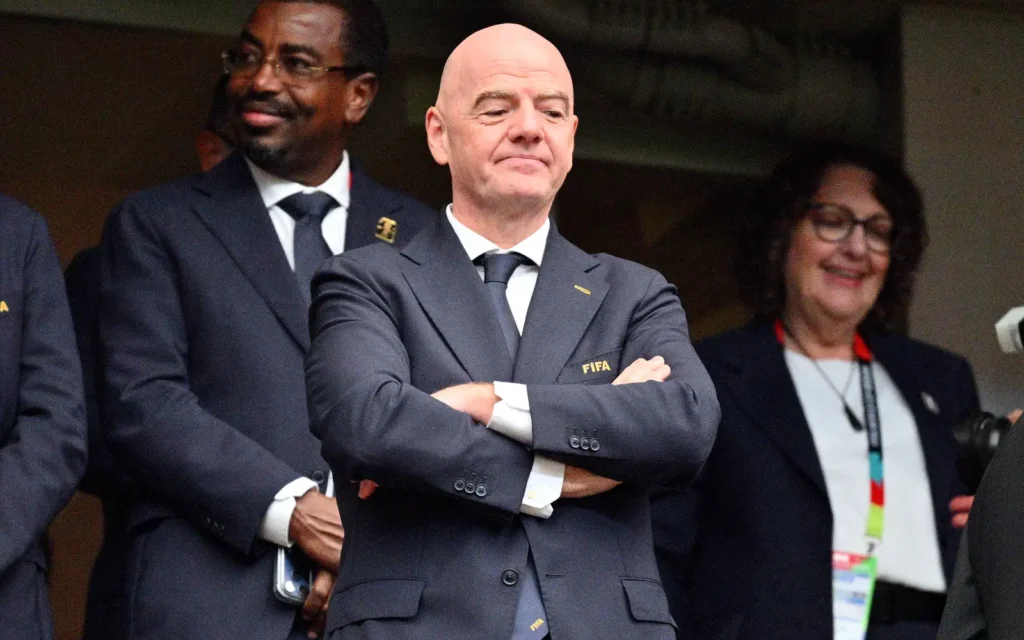
UEFA, Concacaf and AFC consider their next move
The disagreement could have consequences beyond FIFA’s internal governance.
The three confederations have reportedly begun preliminary discussions about organising competitions independently, according to information cited in connection with the dispute.
UEFA has previously raised the possibility of boycotting FIFA competitions. Discussions with Concacaf and AFC appear to reflect a desire to ensure that players within their respective regions continue to have meaningful competitive opportunities if relations with FIFA deteriorate.
The three bodies represent enormous portions of the global game:
UEFA oversees football across Europe.
Concacaf governs the sport across North America, Central America and the Caribbean.
AFC is responsible for football in Asia.
Any sustained coordination between them could therefore have significant implications for the international football calendar.
Why the governance issue matters
At the heart of the dispute is a simple question:
Who does football’s global leadership ultimately serve?
The confederations argue that FIFA’s authority comes with an obligation to consult and act in the interests of the wider football community.
Their criticism suggests they believe that obligation was undermined by the way the World Cup-related proposal was developed and pushed forward.
They are particularly demanding that any review be conducted by an independent third party, with FIFA’s administration excluded from the investigation.
That would represent a significant departure from FIFA’s stated intention to present its own report to the FIFA Council.
A dispute that could become bigger than one proposal
For now, the immediate controversy concerns FFE and the proposed outside investment.
But the deeper conflict is about trust.
UEFA, Concacaf and AFC have collectively signalled that they expect greater transparency from FIFA and more meaningful consultation before major decisions are advanced.
The next step could determine whether the dispute remains an internal governance battle or develops into a broader confrontation over the future structure of international football.
The commercial proposal may have triggered the crisis. The response from football’s continental leadership suggests the real issue is much larger: who gets to shape the game’s future, and under what rules.