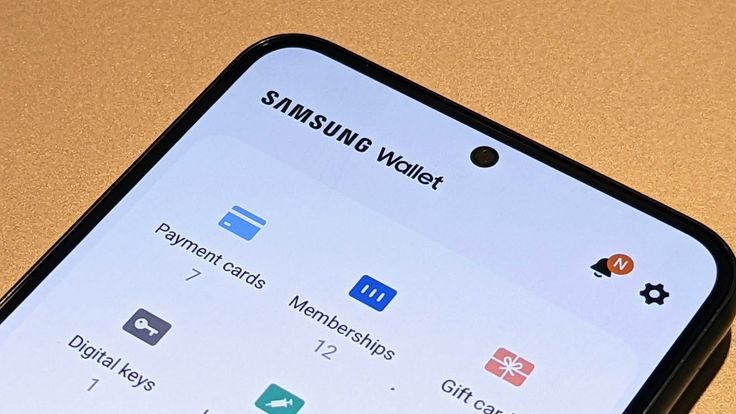
Samsung is preparing to bring stablecoin payments directly to its mobile wallet, potentially making cross-border cryptocurrency transfers more accessible to millions of smartphone users. The company announced on October 7, 2026, that Samsung Wallet will add support for USD Coin (USDC) during the final week of October, giving eligible users in the United States a new way to send digital dollars internationally.
The planned rollout could reach approximately 82 million U.S. Galaxy devices, according to a separate announcement from the Solana Foundation. The integration is designed to let eligible users transfer USDC to compatible cryptocurrency wallets and qualifying bank accounts in more than 60 countries.
The move brings together Samsung’s established mobile payment ecosystem and the infrastructure behind one of the world’s best-known dollar-pegged stablecoins. It also highlights the growing effort to make blockchain-based payments accessible through applications that consumers already use.
However, the service will not be available automatically to every Samsung Wallet user. Registration, identity verification and biometric authentication will be required, while the companies involved will share responsibility for the underlying stablecoin, custody and blockchain infrastructure.
Samsung Wallet USDC Launch Set for Late October 2026
Samsung Electronics America confirmed that USDC functionality is scheduled to arrive in Samsung Wallet during the last week of October 2026.
The integration will initially target eligible users in the United States, allowing them to send stablecoins to supported external cryptocurrency wallets and qualifying bank accounts in more than 60 countries.
USDC, issued by Circle, is a stablecoin designed to maintain a value equivalent to one U.S. dollar. Unlike cryptocurrencies whose market prices fluctuate substantially, dollar-pegged stablecoins are intended to provide a more stable unit of value for digital transactions.
By integrating USDC transfers into Samsung Wallet, the company is bringing this payment option closer to users who may not regularly interact with dedicated cryptocurrency applications.
The announcement does not specify an exact launch date within the final week of October. Availability will also depend on user eligibility and the requirements associated with the service.
For Samsung, the development represents an expansion of its digital wallet capabilities. For consumers, it could offer another way to move dollar-denominated digital assets without relying exclusively on standalone crypto platforms.
Solana Targets 82 Million U.S. Galaxy Devices
The Solana Foundation has highlighted the potential scale of the integration, stating that the rollout will enable USDC cross-border transfers on the Solana network across an estimated 82 million U.S. Galaxy devices.
That figure represents the potential device reach identified in the announcement, rather than a guarantee that all 82 million devices will immediately have access to the feature or that their owners will use it.
Nevertheless, the scale is significant. Integrating stablecoin functionality into a widely distributed smartphone ecosystem could introduce blockchain-based payments to consumers who might otherwise have little reason to download a separate cryptocurrency wallet.
Solana’s role is particularly relevant because the foundation specifically identifies its network as the infrastructure for the USDC cross-border transfer functionality described in its announcement.
The integration could help connect mobile users with blockchain-based payment services through a familiar interface. Instead of treating stablecoin transfers as a specialized cryptocurrency activity, the feature places them within a mainstream digital wallet environment.
The practical impact will depend on how the feature is implemented, which destinations are supported and how easily eligible users can complete transactions.
Samsung has not announced a more precise release date than the final week of October, leaving the exact timing of the rollout to be confirmed.
Bastion, Coinbase Prime, Solana and Sui Will Support the Service
The new functionality will rely on several infrastructure providers, with each company contributing a different part of the service.
Samsung has identified USDC as the first stablecoin supported under the arrangement. Bastion will provide stablecoin infrastructure, while Coinbase Prime will serve as a sub-custodian.
Solana and Sui will also provide blockchain infrastructure support, according to Samsung’s announcement.
These roles illustrate that the service is not being built entirely within Samsung’s own systems. Instead, it combines the company’s consumer-facing wallet with specialist providers responsible for different aspects of stablecoin infrastructure, custody and blockchain connectivity.
Bastion’s infrastructure role supports the stablecoin functionality, while Coinbase Prime’s sub-custody role places it within the arrangement for handling custody-related responsibilities.
The two blockchain networks named by Samsung are Solana and Sui. However, the announcements describe their involvement at different levels of specificity.
The Solana Foundation focuses on USDC cross-border transfers running on Solana. Samsung’s statement identifies both Solana and Sui as infrastructure-support providers.
The available announcements do not establish that every transfer will run across both networks or explain precisely how Sui will be used in each transaction. It would therefore be premature to assume that users will have unrestricted access to every supported blockchain through a single transfer option.
For consumers, the central point is that the planned feature brings together Samsung’s wallet interface and a network of external providers to facilitate stablecoin transactions.
How Samsung Wallet’s USDC Transfers Will Work
The announced functionality is designed to let eligible U.S. Galaxy users send USDC to compatible cryptocurrency wallets and qualifying bank accounts in more than 60 countries.
This could provide an alternative route for people who need to move dollar-denominated digital assets across borders. Stablecoins can be useful for digital payments because their value is designed to track a conventional currency rather than fluctuate in the same way as assets such as Bitcoin.
However, sending USDC to a cryptocurrency wallet and transferring funds to a bank account are not necessarily identical processes.
Crypto transfers depend on compatibility with the recipient’s wallet and the relevant network. Bank-account transfers may involve additional eligibility conditions and service-provider requirements.
Samsung’s announcement identifies the supported destinations in broad terms but does not provide a complete list of participating countries, banks or external wallets.
Users should therefore distinguish between the announced international reach and the specific destinations available to them when the feature launches.
The service’s usefulness will ultimately depend on practical factors such as supported recipients, transaction processing, access requirements and any charges imposed by third-party providers.
Identity Verification and Biometric Authentication Required
Samsung has made clear that the new stablecoin functionality will be restricted to eligible users rather than automatically enabled for everyone using Samsung Wallet.
Before accessing the feature, users will need to complete account registration and identity verification. Biometric authentication will also be required.
These measures establish an access process that combines identity checks with device-based authentication. They are particularly relevant for a financial service that allows users to transfer digital assets to external destinations.
Eligibility requirements may limit access for some users, and the feature should not be interpreted as a universal stablecoin service available to all Galaxy owners worldwide.
Although the announced transfer reach extends to more than 60 countries, the initial user eligibility described by Samsung is focused on the United States.
The distinction matters: international transfer destinations do not necessarily mean that residents of every supported country can independently register for the service.
Additional requirements may also apply depending on the destination, recipient provider and relevant service terms.
Will Samsung Charge Fees for USDC Transfers?
Samsung said it will not charge users fees for transferring USDC to external cryptocurrency wallets.
That could make the feature attractive to users who want to move stablecoins without paying an additional transfer fee directly to Samsung.
However, the company’s statement does not mean every transaction will necessarily be free.
Recipient platforms, wallet providers or other participating services may impose their own charges. Depending on the transaction and destination, users may also need to consider costs associated with the relevant network or conversion process.
The distinction between Samsung’s fees and third-party charges is important when comparing the service with other payment options.
Users should review the applicable terms before sending funds, particularly when transferring assets internationally or moving them between different types of accounts.
The full cost of a transaction will depend on the specific route and the providers involved, rather than Samsung’s fee policy alone.
What the USDC Integration Means for Digital Payments
Samsung’s planned USDC integration reflects a broader effort to bring blockchain-based financial services into mainstream consumer technology.
By placing stablecoin transfers inside Samsung Wallet, the company could make digital-dollar transactions more approachable for people who already use its mobile ecosystem. The potential reach of 82 million U.S. Galaxy devices gives the announcement considerable visibility, although actual adoption remains uncertain.
The involvement of Bastion, Coinbase Prime, Solana and Sui also shows how consumer-facing payment services can depend on multiple infrastructure providers rather than a single company managing every technical component.
Still, several details remain important. The exact October release date has not been announced, access will be restricted to eligible U.S. users, and the availability of particular wallets, bank accounts and international destinations will matter in practice.
For now, the planned launch represents a notable development in the intersection of stablecoins, mobile wallets and cross-border payments. If the rollout proceeds as announced, eligible Galaxy users will gain another option for moving digital dollars through a familiar application, potentially bringing stablecoin transactions closer to everyday mobile payments.
Disclaimer: This article is for informational purposes only and does not constitute legal, tax, investment, financial or other professional advice.