
Russia says two of its servicemen were killed in attacks on vehicles carrying diesel fuel to the Zaporizhzhia nuclear power plant, raising fresh concerns about security around Europe’s largest nuclear facility.
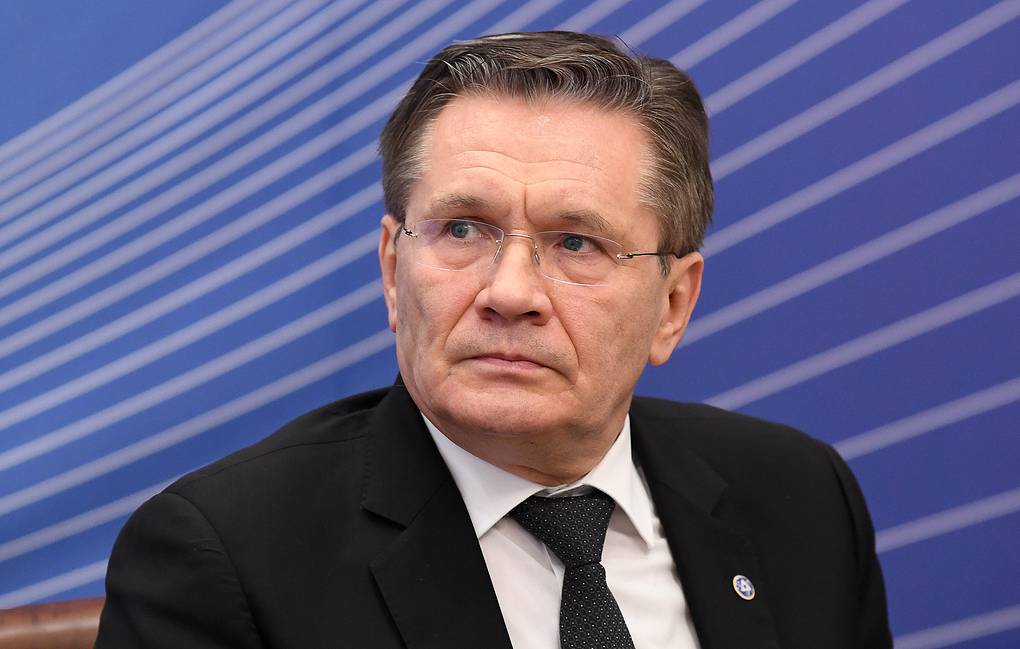
Alexei Likhachev, head of Russia’s state nuclear corporation, said Ukrainian forces carried out several coordinated strikes on Friday against vehicles transporting fuel to the Russian-controlled site.
According to Likhachev, the attacks occurred close to the plant’s perimeter.
He said several other Russian personnel were injured, including some who were in serious condition, while the servicemen involved were supporting the fuel delivery operation.
The claims have not been independently verified.
Why the Fuel Deliveries Matter
The Zaporizhzhia plant has remained a major security concern since Russian forces seized the facility during the early stages of the war in February 2022.
The complex contains six nuclear reactors and depends on diesel-powered emergency generators to keep critical cooling systems operating when outside electricity is unavailable.
That makes reliable fuel supplies an important part of the plant’s safety arrangements.
The generators are designed as a backup rather than the plant’s normal source of electricity.
External Power Has Been a Major Concern
The facility has repeatedly experienced disruptions to its external electricity connections during the conflict.
In August and September, the plant reportedly endured a prolonged period without normal external power, with its two outside connections remaining unavailable for almost three weeks.
Although the diesel fuel currently being transported to the site is not being used to produce electricity, maintaining access to backup fuel remains essential for nuclear safety.
A prolonged loss of external power can increase pressure on systems needed to keep reactors and spent fuel safely cooled.
Moscow and Kyiv Remain Far Apart
The latest incident comes amid an unresolved dispute over who should control the facility.
Ukraine continues to demand that Russian forces leave the plant and return it to Ukrainian control.
Moscow has rejected that demand and continues to control the site.
The plant’s location in an active war zone has repeatedly raised international concerns over the possibility that military activity could compromise nuclear safety.
IAEA Maintains Presence
The International Atomic Energy Agency (IAEA), the UN’s nuclear watchdog, has maintained a permanent monitoring mission at Zaporizhzhia.
The agency also has personnel at Ukraine’s three other operating nuclear power plants.
The IAEA has previously played a role in efforts to protect the Zaporizhzhia facility, including helping facilitate a temporary local ceasefire last month so that workers could repair damaged infrastructure and restore external power connections.
Nuclear Safety Remains the Priority
The latest reported attack adds another layer of risk around a facility that has spent years operating under extraordinary wartime conditions.
Russia’s account places the blame on Ukraine, but the broader concern is less political: keeping the plant supplied, powered and safely monitored while fighting continues nearby.
With the facility still under Russian control and external power remaining vulnerable, the Zaporizhzhia plant remains one of the most closely watched nuclear sites in the world.