
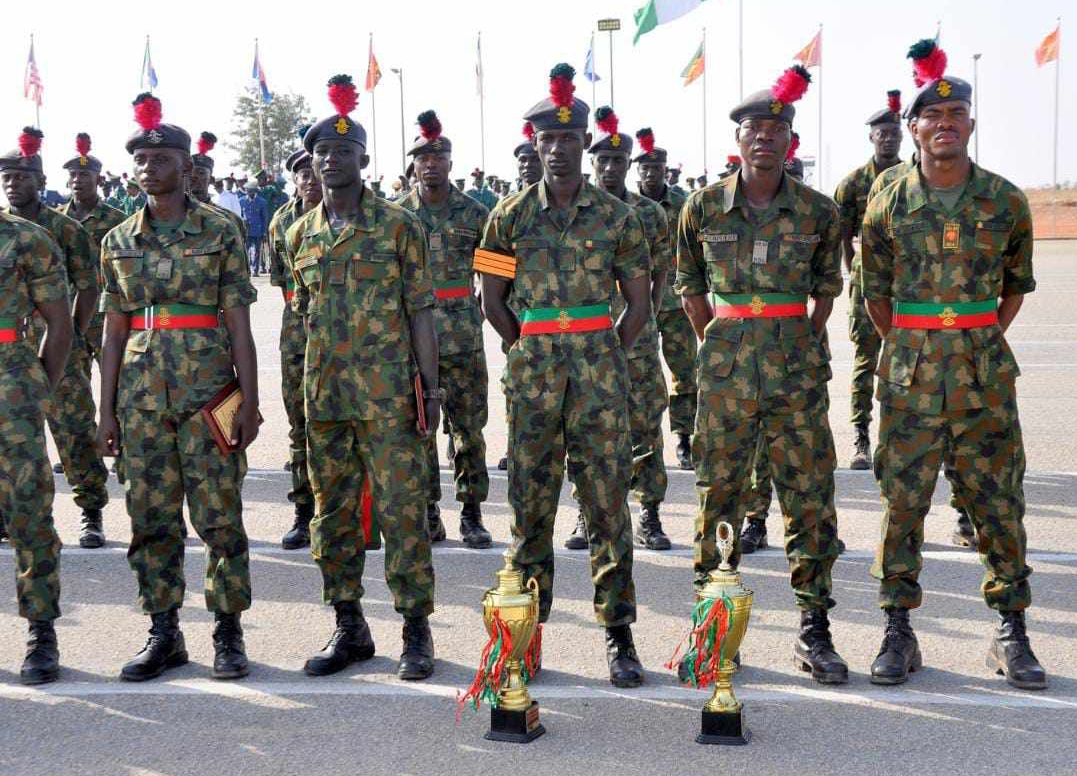
Nigeria is giving its armed forces a major pay boost. Military personnel across the Army, Navy and Air Force will receive salary increases ranging from 30% to 80%, depending on rank, under a new compensation structure approved by the Federal Government.
The adjustment is expected to affect about 250,000 military personnel and raise the annual military wage bill from approximately ₦660 billion to ₦924 billion.
For soldiers and officers serving at a time of significant security challenges, the government says the increase is intended to strengthen welfare, improve morale and recognise the risks associated with military service.
Lower-ranking personnel get the biggest increase
The largest percentage increase will go to personnel at the lower end of the military hierarchy.
A Private in the Army, an Ordinary Seaman (OS) in the Navy, or an Aircraftman/Aircraftwoman (ACM) in the Air Force was previously reported to earn roughly ₦104,000 per month.
Under the new structure, an 80% increase would put monthly pay in the region of ₦189,000 to ₦192,000, equivalent to roughly ₦2.26 million to ₦2.30 million annually.
The move represents a substantial change for the lowest-paid personnel and could have a direct impact on their take-home income and overall welfare.
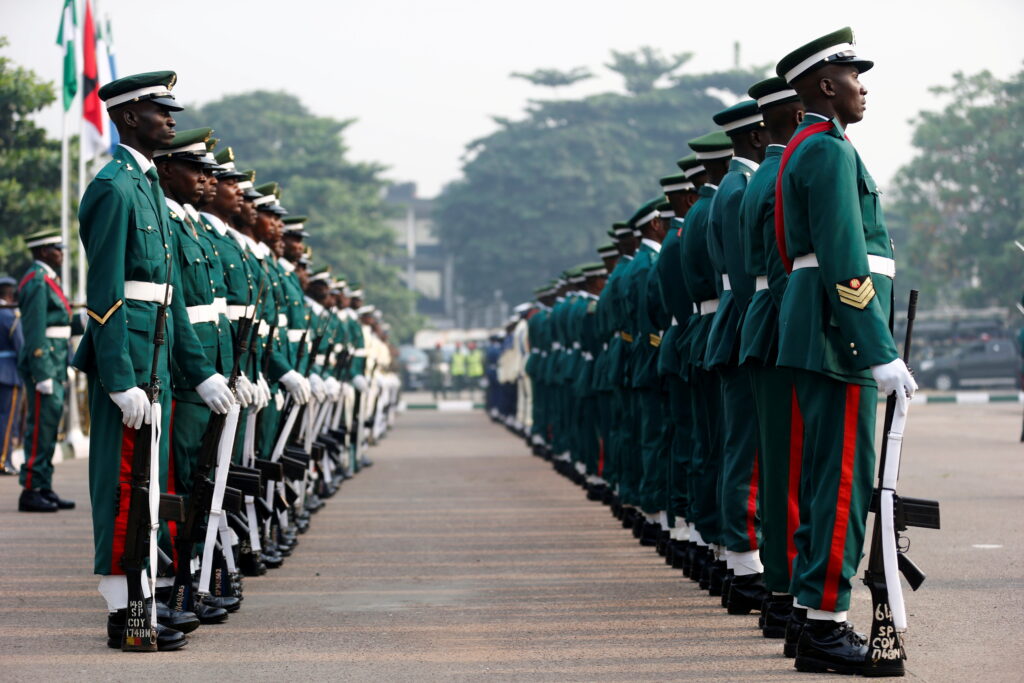
Source image: Reuters
Senior officers also receive a pay increase
Higher-ranking officers will receive a smaller percentage increase, although their existing salaries are considerably higher.
Officers at the level of Major General, Rear Admiral and Air Vice Marshal were previously reported to earn about ₦1.15 million per month.
A 30% increase would take their monthly salary to approximately ₦1.49 million–₦1.50 million, or about ₦17.9 million–₦18 million a year.
The tiered structure means the percentage adjustment is greatest for lower ranks while senior officers receive a more moderate increase.
Why the government says the increase matters
President Bola Tinubu has emphasised the importance of supporting the personnel responsible for protecting Nigerians.
The administration’s position is that military personnel who operate in dangerous conditions should receive stronger financial support and recognition for their service.
The new salary structure therefore comes against the backdrop of continued debate over military welfare, remuneration and the resources available to Nigeria’s security forces.
Defence minister previously raised concerns over pay
The announcement follows comments by Defence Minister Christopher Musa, who recently disclosed that the least-paid Nigerian soldier was earning about ₦100,000 per month.
Musa said the figure represented an improvement from the roughly ₦49,000 paid under previous administrations.
But the minister also acknowledged that better pay alone would not resolve the military’s broader financial challenges.
During an interview with News Central, Musa was asked whether Nigeria’s defence budget was sufficient. His response was unequivocal: “It’s not enough.”
That comment underscored the wider challenge facing the government: improving personnel welfare while also providing the armed forces with the equipment, logistics and operational resources required to carry out their duties.
What the new salary structure means
The approved increases could have several implications for the military:
- Lower-ranking personnel will receive the largest percentage adjustment.
- About 250,000 members of the armed forces are expected to benefit.
- The annual military wage bill is projected to rise to ₦924 billion.
- Higher-ranking officers will receive increases of about 30%.
- The government hopes improved remuneration will strengthen morale and welfare.
For personnel on the front lines, however, the bigger question will be whether the salary increase is accompanied by sustained improvements in working conditions, equipment and other aspects of military welfare.
The pay rise is therefore more than a change to a salary table. It is a test of how far the government is prepared to invest in the people carrying the country’s security burden.