

Nigeria’s external reserves have climbed to $52.25 billion, while the naira strengthened against the US dollar at the official foreign exchange market.
The reserve figure marks a 17-year high, according to data from the Central Bank of Nigeria (CBN), while the currency ended the week at N1,357.61 per dollar at the Nigerian Foreign Exchange Market (NFEM).
The developments come as the CBN introduces further measures aimed at deepening liquidity and participation across Nigeria’s financial markets.
Naira Strengthens Against the Dollar
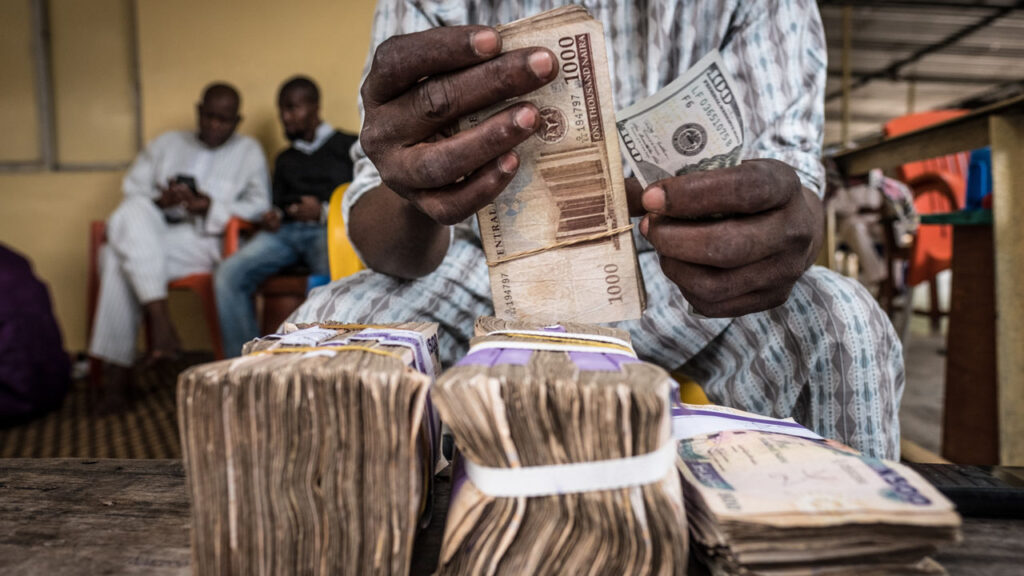
The naira gained N8.08 over the week, improving from N1,365.69 per dollar at the previous week’s close.
On Friday, the currency moved only marginally from Thursday’s N1,357.65 rate, gaining four kobo.
In the parallel market, the dollar was quoted at approximately N1,420, putting the gap between the unofficial and official rates at about 4.6%.
The relatively narrow spread suggests that the two market segments remained broadly aligned during the period.
FX Trading Activity Picks Up
Trading activity at the official market also increased toward the end of the week.
Friday’s turnover reached roughly $1 billion, representing a 9.12% increase from the $919 million recorded on the corresponding day of the previous week.
The number of transactions also climbed sharply, rising from 639 on Thursday to 761 on Friday.
However, cumulative NFEM turnover through Thursday was slightly lower than the comparable period a week earlier.
Total turnover stood at approximately $3.95 billion, down 2.23% from $4.04 billion previously.
Interestingly, the number of transactions increased by 3.17%, reaching 1,791 from 1,736.
That suggests the market remained active even though the overall value traded was marginally lower.
External Reserves Reach $52.25 Billion
The bigger headline came from Nigeria’s external reserves.
The reserves rose to $52.25 billion, their highest level in 17 years.
Compared with the $40.72 billion recorded during the corresponding period in 2024, the latest figure represents a 28.32% year-on-year increase.
Higher reserves give the CBN a larger financial buffer for managing foreign-exchange liquidity and meeting the country’s external obligations.
For the naira, stronger reserves can also improve market confidence by providing greater capacity to respond to periods of FX pressure.
CBN Introduces More Financial-Market Reforms
The reserve milestone coincides with several measures announced by the CBN to broaden activity in Nigeria’s financial markets.
Among the changes are:
- Greater access for Deposit Money Banks to the CBN’s discount window and Standing Lending Facility
- Resumption of tenored repo operations with maturities ranging from four to 90 days
- Expanded participation in the Open Market Operations (OMO) market
- Access to OMO securities for non-bank financial institutions, corporates and retail investors
The reforms are intended to improve market depth, provide additional liquidity-management tools and broaden participation in government securities markets.
CBN Reference Rates for Other Currencies
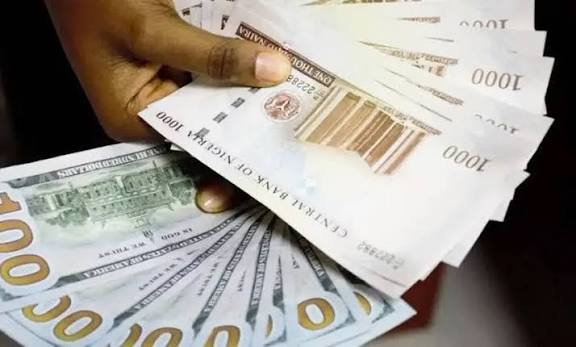
The latest CBN exchange rates cited in the report include:
| Currency | Rate |
|---|---|
| CFA | N2.39 |
| Chinese Yuan/Renminbi | N201.37 |
| Danish Krone | N210.21 |
| Euro | N1,571.70 |
| Japanese Yen | N8.54 |
| Saudi Riyal | N361.59 |
| South African Rand | N83.85 |
| Swiss Franc | N1,673.58 |
| Pound Sterling | N1,840.10 |
| SDR | N1,855.85 |
| WAUA | N1,853.65 |
| UAE Dirham | N369.64 |
What the Numbers Mean
Three signals stand out from the week’s data:
The naira is holding relatively firm. The official exchange rate improved over the week, while the parallel-market gap remained comparatively narrow.
Nigeria has built a larger FX cushion. Reserves at $52.25 billion give the country a stronger buffer than it had two years earlier.
The CBN is widening its market toolkit. Broader access to OMO securities and additional liquidity facilities could bring more participants into the financial system.
The immediate challenge, however, is turning these improvements into lasting FX stability, deeper market liquidity and stronger confidence in the naira.
For now, the combination of a stronger reserve position, a firmer naira and continued financial-market reforms gives Nigeria’s currency market a more stable backdrop than it has experienced during periods of intense FX pressure.