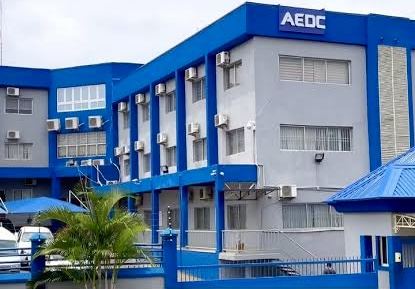
The Abuja Electricity Distribution Company (AEDC) has announced plans to achieve 100 per cent metering coverage across its network, as the electricity distributor steps up efforts to eliminate estimated billing and improve service delivery for more than 1.2 million customers.
The company disclosed the target during the launch of its MyPower mobile application in Abuja, introducing a digital platform designed to help customers manage their electricity accounts, make payments, report service problems and verify the identities of personnel visiting their homes.
AEDC’s Managing Director said the company was embracing technology to strengthen customer engagement, improve transparency and ensure that consumers have better access to essential electricity services.
The metering target and the launch of the application form part of a broader effort to address longstanding customer concerns, including billing disputes, slow complaint resolution and difficulties accessing reliable information about electricity accounts.
AEDC Vows to Close Metering Gap Across Its Network
Speaking at the launch in Abuja, the AEDC managing director said the company was committed to ensuring that every customer on its network eventually receives an electricity meter.
He explained that the distributor was pursuing different channels and options to make metering accessible to customers while working towards eliminating the remaining gaps across its service area.
“We want everybody to be metered. We have various channels and various opportunities and options for customers to get metered. But the commitment is that we will drive closure of all metering gaps. We will ensure that we have 100 per cent metering coverage in our network,” he said.
The commitment comes amid persistent concerns over estimated electricity billing, which has frequently generated disputes between electricity distribution companies and their customers.
Without a meter, customers may be billed using estimated consumption rather than readings taken from an installed device. This can create uncertainty about the amount of electricity consumed and the basis for the charges applied.
Achieving full metering coverage would allow AEDC to improve the accuracy of consumption records and give customers clearer information about their electricity usage.
However, the company did not provide a specific deadline for achieving the 100 per cent target or disclose the number of customers who currently remain unmetered.
The availability of different metering options is expected to support the company’s efforts to close the gap and extend coverage across its network.
For customers, the key question will be how quickly the commitment translates into wider access to meters and more transparent billing.
MyPower App Introduced to Improve Customer Experience
Alongside its metering ambitions, AEDC has introduced the MyPower mobile application as part of its efforts to modernise customer service.
The application is designed to give customers a convenient way to manage their electricity accounts without relying exclusively on physical offices or traditional customer service channels.
According to the managing director, the platform was developed to help the company better understand customer needs, receive complaints and respond more effectively to issues affecting electricity services.
He said AEDC intended to improve communication with customers by listening more closely to their concerns and responding to their requirements.
The application allows users to create accounts, verify their identities and link their electricity accounts to the platform.
Customers can also confirm their meter details, make payments and receive electricity tokens through the application.
By bringing these functions together in one place, AEDC aims to make routine account management more accessible while reducing the difficulties customers may encounter when trying to obtain information or complete transactions.
The platform also provides a digital channel for reporting service problems, giving customers another way to communicate directly with the electricity distributor.
Its success will depend on how effectively the application performs in everyday use and how quickly the company responds to requests submitted through it.
Customers Can Track Electricity Complaints
One of the key features of the MyPower application is its complaint management system, which allows users to report problems and track their progress using ticket numbers.
Customers experiencing electricity service issues can submit complaints through the platform and use the assigned reference numbers to follow up on their cases.
This feature is intended to make the complaint process more transparent by giving customers a way to identify and monitor individual reports.
Electricity consumers frequently need assistance with matters such as billing questions, account details and service interruptions. A structured complaint tracking system can help organise these requests and make it easier for customers to follow up when problems remain unresolved.
The AEDC managing director said the broader objective was to improve customer satisfaction by making communication more effective and ensuring that the company responds to customers’ needs.
A digital reporting system could also help the company identify recurring problems and better understand the concerns affecting different parts of its network.
However, the introduction of a tracking feature alone does not guarantee that complaints will be resolved quickly. Its practical value will depend on the company’s response times, internal processes and ability to address reported issues.
For customers, the expected benefit is a clearer process for submitting complaints and checking their status without repeatedly seeking updates through separate channels.
New Security Feature Helps Customers Verify AEDC Staff
The MyPower application also includes a staff verification feature designed to help customers confirm the identities of AEDC personnel visiting their homes.
The feature addresses security concerns associated with individuals claiming to represent electricity distribution companies during visits to residential properties.
Under the system, customers can use the application to verify the identity of a person presenting themselves as an AEDC staff member.
The managing director said the company recognised the security challenges customers faced and had incorporated the verification function to help address them.
“We recognise the security issues we have, and because of that we have solved that with the staff verification that we have. This is who the person is. You can easily verify the person coming to your house,” he said.
The feature is intended to give residents a more accessible way to check whether visiting personnel are authorised representatives of the company.
This could help customers make more informed decisions when approached by individuals claiming to be conducting electricity-related work or other official duties.
The initiative also reflects AEDC’s wider attempt to use digital tools to strengthen trust between the company and the communities it serves.
Customers should nevertheless continue to exercise caution when dealing with unexpected visitors and use the available verification process before granting access to their properties.
AEDC Plans Feeder Monitoring and Expanded Digital Services
AEDC’s digitisation plans extend beyond account management and complaint tracking.
The company’s Chief Information Officer, Dr Uche Anyalewechi, said the MyPower application was part of a broader programme to modernise its operations and improve the customer experience.
He disclosed that the company intended to introduce features that would eventually allow customers to monitor their electricity feeders.
Such a feature could help users determine whether an outage was associated with a fault affecting their feeder or a problem elsewhere in the electricity network.
For customers, access to feeder-related information could provide greater clarity during power interruptions and reduce uncertainty about the source of a disruption.
It could also help improve communication between the electricity distributor and consumers by providing more specific information about network conditions.
Anyalewechi said AEDC was also integrating its customer relationship management system across multiple service channels.
These include the MyPower mobile application, the company’s website, WhatsApp and Telegram.
The objective is to allow customers to contact AEDC through different channels while ensuring that their complaints and enquiries are properly recorded and tracked.
An integrated system could help the company maintain more consistent records of customer interactions, regardless of the channel used to submit a request.
It could also make it easier for customers to continue following up on an issue without having to restart the complaint process each time they switch channels.
The planned expansion of digital services signals an effort to create a more connected customer support system rather than treating each communication channel as a separate service.
AEDC Says Customer Satisfaction, Not Cost Cutting, Is the Priority
The AEDC managing director said the MyPower application was introduced primarily to improve customer satisfaction rather than reduce the company’s operating costs.
He explained, however, that better customer service could also support improved revenue collection.
When customers have a clearer understanding of their bills, can access account information more easily and receive faster responses to complaints, they may be better positioned to resolve payment-related concerns.
Improved communication could also help reduce disputes arising from misunderstandings about billing and electricity consumption.
For AEDC, these benefits could strengthen the relationship between the company and its customers while supporting more efficient revenue collection.
The approach reflects the connection between service quality and customer confidence: consumers are more likely to understand their obligations when they can obtain reliable information and have access to effective channels for resolving disputes.
Nevertheless, the long-term impact of the application will depend on how well the company addresses the problems customers report and whether the digital tools lead to measurable improvements in service delivery.
What AEDC’s New Digital Push Means for Customers
AEDC’s plans to achieve full metering coverage and expand digital customer services represent two related efforts to improve electricity service delivery across its network.
The metering target is intended to address the gap in access to electricity meters, while the MyPower application provides tools for managing accounts, making payments, reporting complaints and verifying visiting staff.
Future additions, including feeder monitoring, could give customers more information about electricity supply interruptions and help them better understand problems affecting their areas.
The integration of the company’s mobile application, website, WhatsApp and Telegram services is also expected to create more accessible routes for customer support.
For the company’s more than 1.2 million customers, the real test will be whether these commitments lead to wider metering access, clearer billing information, more effective complaint resolution and greater transparency.
AEDC has made its direction clear: use technology to improve the customer experience while working towards eliminating estimated billing across its network.
As the MyPower application develops and the metering programme progresses, customers will be watching for practical results that make managing electricity accounts easier and resolving service problems less frustrating.