
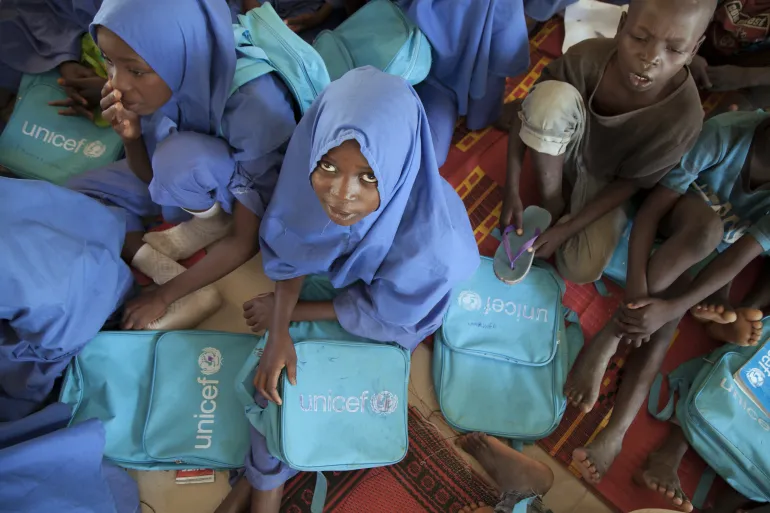
The Katsina State Government and UNICEF have intensified efforts to tackle diphtheria and reduce malnutrition, with women and children among the key groups targeted by the intervention.
The renewed campaign was highlighted on Tuesday at a media dialogue organised in Katsina by the State Primary Health Care Agency (SPHCA) in collaboration with UNICEF and other development partners.
The programme, titled “Media Dialogue on the Promotion of Nutrition Behaviours and Sensitisation on Diphtheria Outbreak,” was designed to equip journalists with accurate information they can use to improve public awareness of nutrition, immunisation and diphtheria prevention.
You might want to read this: UNICEF Warns Unregistered Nigerian Children Risk Losing Access to Essential Services
Focus on the First 1,000 Days
Speaking at the event, SPHCA Acting Executive Secretary Dr Shaima’u Kabir Abba emphasised the importance of adequate and balanced nutrition, particularly for women and children.
Abba, represented by the State Health Educator, Dr Mukhtar Mahmud, identified the first 1,000 days of life—from pregnancy through a child’s second birthday—as a critical period for physical growth and development.
She said insecurity in some parts of Katsina had contributed to the vulnerability of some residents to malnutrition, making sustained interventions necessary to improve maternal and child health.
The agency chief said the media engagement was intended to strengthen public knowledge of healthy nutrition and encourage behaviours that can improve health outcomes across the state.
She added that UNICEF and the state government were working to address malnutrition by tackling social and behavioural practices that contribute to poor nutrition.
Parents Urged to Complete Children’s Vaccinations
SPHCA Assistant Executive Secretary Dr Lawal Aminu-Danja urged parents and caregivers to ensure that children receive their routine vaccinations at the appropriate times.
He described diphtheria as a vaccine-preventable bacterial infection, stressing that complete and timely immunisation provides strong protection against the disease.
Diphtheria can affect the respiratory system and may cause symptoms including sore throat, fever, neck swelling and difficulty swallowing or breathing.
Aminu-Danja also called on journalists to use their reach to educate communities about routine immunisation, good nutrition and other preventive health practices.
Why the Media Matters
The organisers said sustained public education would be crucial to the success of the intervention.
By improving access to reliable information on nutrition, vaccination and early recognition of disease, the campaign aims to help families make healthier decisions while strengthening community participation in public-health programmes.