Nigeria’s 11-year relationship with Nike is over. The Super Eagles and other national teams are heading back to Adidas after the German sportswear giant agreed a new deal worth at least $8.5 million a year.
The agreement was disclosed by former Nigeria Football Federation (NFF) president Ibrahim Gusau at a news conference in Abuja, shortly before he and the federation’s executive committee resigned on Thursday.
Under the new arrangement, Adidas will provide $4.5 million in annual cash payments and another $4 million worth of equipment for Nigeria’s national teams.
The NFF will also receive a 20% royalty on merchandise sales, giving the federation an opportunity to earn substantially more than the guaranteed annual package.
A Major Upgrade for Nigerian Football
Gusau described the agreement as one of the biggest kit sponsorship deals involving an African national team.
The guaranteed value represents a dramatic improvement on Nigeria’s outgoing Nike contract, which he said provided only $500,000 in cash and $1 million in equipment each year.
That arrangement, according to Gusau, had remained unchanged for 11 years.
His criticism was blunt: the federation was receiving the same $500,000 cash payment in 2026 that it had received in 2015, despite rising costs and the expanding demands placed on Nigeria’s national teams.
Why the NFF Wanted a New Deal
The previous Nike agreement had become increasingly difficult for the federation to sustain, Gusau said.
The equipment allocation, he argued, was insufficient to cover the needs of both the Super Eagles and Super Falcons, particularly during periods involving multiple international competitions.
He cited a trip by the women’s national team to Poland as one example in which the federation had to purchase additional jerseys because the contracted equipment allowance was inadequate.
The NFF began talks with Nike in 2024, seeking significantly improved terms.
According to Gusau, negotiations continued for months but failed to produce an agreement the federation considered acceptable.
He said the NFF had concluded that other African countries with smaller football profiles were securing more favourable sponsorship arrangements.
Adidas Wins the Competition
Nike eventually permitted the NFF to negotiate with other manufacturers while retaining a contractual right to match any competing offer.
The federation subsequently approached Adidas and other potential suppliers.
Adidas ultimately submitted the winning proposal.
Nike, Gusau said, was unable to match the German company’s offer, clearing the way for Nigeria’s return to Adidas.
The agreement had been scheduled for a formal announcement in September, but Gusau disclosed its key details earlier after saying the contract had already been completed and signed.
Nigeria and Adidas: A Relationship Revisited
The switch marks a return to a manufacturer with a long history in Nigerian football.
Adidas supplied Nigeria during the country’s breakthrough period in the early 1990s, including its 1994 Africa Cup of Nations triumph and first FIFA World Cup appearance.
Nike subsequently took over in 1995.
Nigeria returned to Adidas in 2004 and remained with the company until 2014, a period that included the Super Eagles’ 2013 Africa Cup of Nations title.
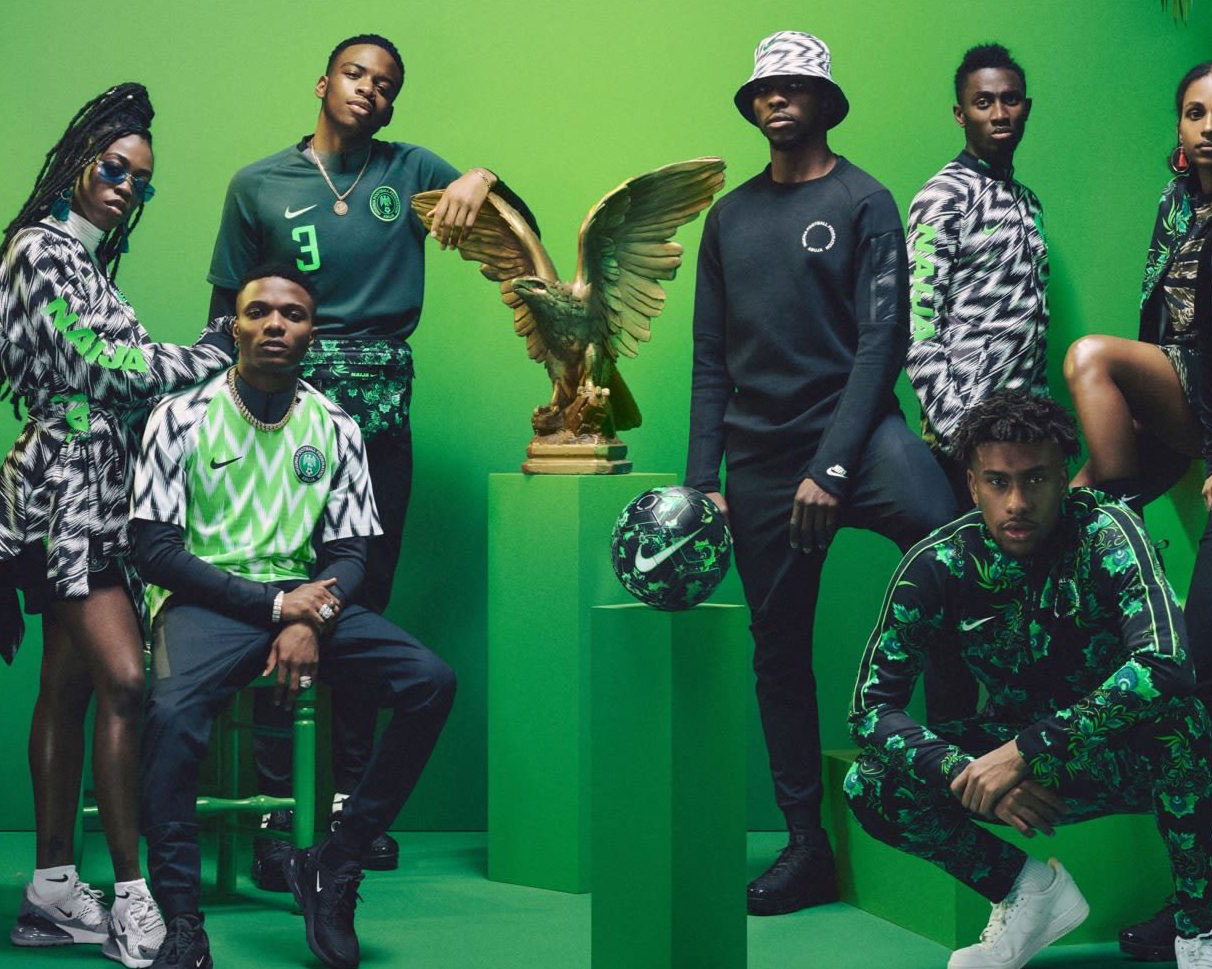
Nike then returned in 2015 and produced some of Nigeria’s most recognisable modern kits.
The standout was the 2018 World Cup jersey, which became a global fashion phenomenon and generated enormous attention beyond football.
Adidas Plans Wider Nigerian Retail Presence
The new agreement also has a retail component that could increase the commercial value of the partnership.
Gusau pointed to Adidas’ larger physical presence in Nigeria as an advantage over Nike.
He said Nike currently operates one store in Nigeria, while Adidas has about 13 outlets.
Adidas has also committed to expanding its Nigerian retail footprint to 32 stores within two years, according to Gusau.
The NFF is entitled to 20% of qualifying merchandise sales under the agreement.
That means the federation’s eventual income could rise considerably if demand for Nigeria’s national-team products remains strong.
Could the Deal Change Nigeria’s Coaching Options?
The NFF believes the improved revenue could have implications beyond kits and merchandise.
Gusau said the additional financial strength could make it easier for the federation to pursue high-profile coaches for the Super Eagles and Super Falcons.
Cost has often been a major obstacle when Nigeria considers elite coaching appointments.
With a larger commercial agreement providing more predictable revenue, the federation expects that financial constraints will become less restrictive.
What the Deal Means
For Nigerian football, the Adidas agreement is more than a change of shirt supplier.
It potentially delivers:
- $4.5 million in annual cash payments
- $4 million in annual equipment
- 20% merchandise royalties
- A larger Adidas retail footprint in Nigeria
- Greater commercial exposure for Nigerian national teams
- Potentially more financial flexibility when recruiting top coaches
Most importantly, it represents a significant commercial upgrade from the outgoing Nike arrangement.
After 11 years, Nigeria is changing shirts again—and this time, the federation believes it has secured a deal that better reflects the country’s stature in African football.