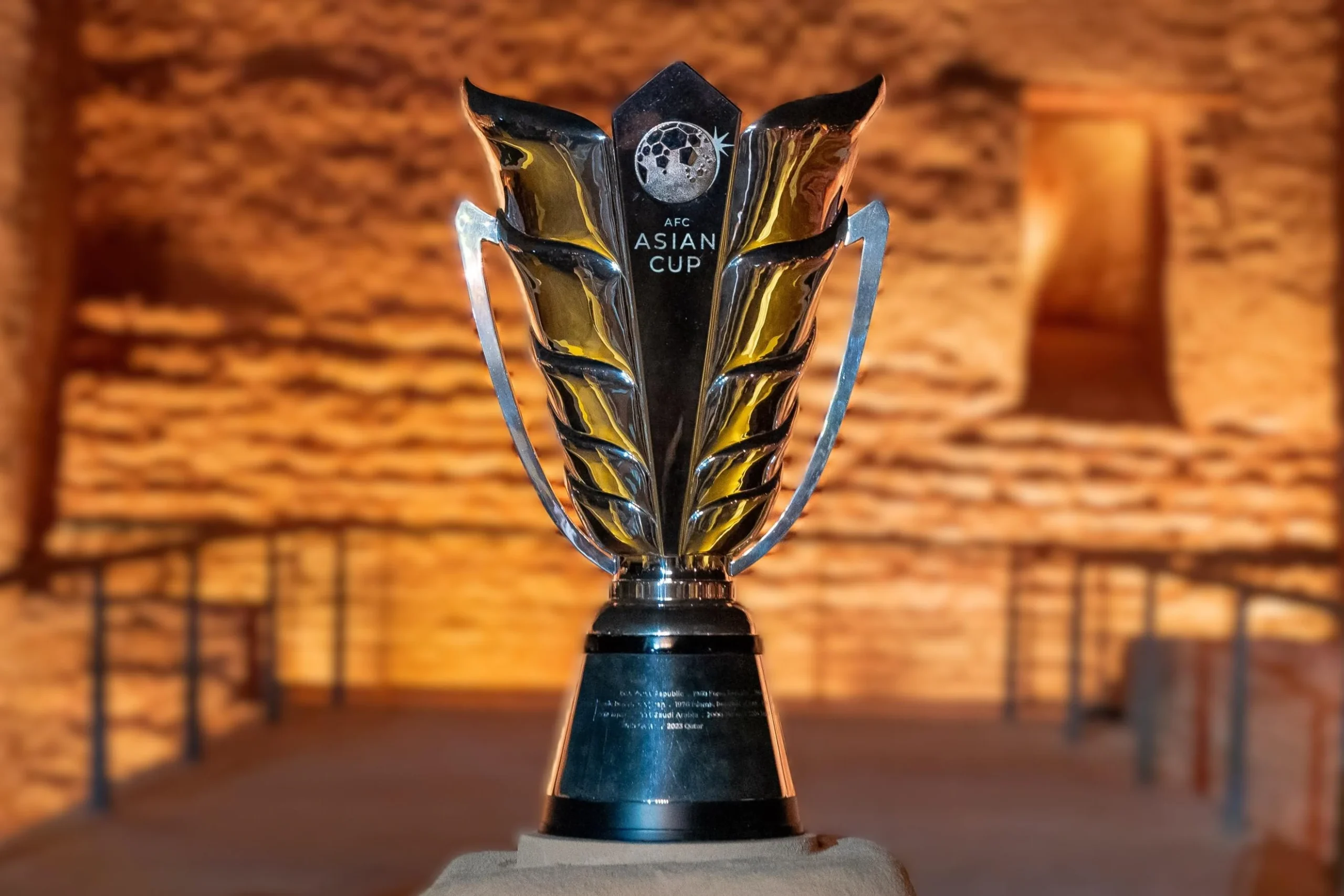
Saudi Arabia’s ambition to become one of the world’s leading destinations for international sporting events has suffered another significant setback after the Asian Football Confederation (AFC) postponed the 2027 Asian Cup amid escalating regional tensions and growing security concerns.
The prestigious continental football tournament, which was originally scheduled to take place in January 2027, has been pushed back to December 23, 2027, with the competition expected to run until January 21, 2028.
The decision comes as regional conflict, security threats and travel disruptions raise questions about the kingdom’s ability to host major international sporting competitions safely and efficiently.
Although Saudi Arabia will retain its hosting rights for now, the postponement represents another challenge for Crown Prince Mohammed bin Salman’s ambitious economic transformation programme, which places considerable emphasis on tourism, entertainment and international sports as drivers of economic growth.
With several sporting events already affected by the conflict, the latest development has increased pressure on Saudi Arabia’s plans to establish itself as a global sports powerhouse.
AFC Confirms Postponement of 2027 Asian Cup
The AFC announced the decision on Tuesday, explaining that exceptional circumstances arising from developments in the region had made it necessary to revise the tournament schedule.
In its announcement, the continental football governing body pointed to substantial logistical difficulties and travel disruptions as major factors behind the decision.
The 2027 Asian Cup was expected to attract 24 national teams competing for the continent’s most prestigious international football trophy.
Under the revised arrangement, the tournament will begin on December 23, 2027, and conclude on January 21, 2028.
The new dates will, however, require approval from FIFA before they can be formally confirmed.
The postponement gives organisers additional time to address the logistical and operational challenges associated with hosting a major international competition during a period of heightened regional instability.
It also means participating national teams, football associations, officials and supporters will have to adjust their preparations and travel arrangements to accommodate the revised schedule.
Despite the uncertainty, the AFC has not announced any plans to transfer the competition to another country.
Saudi Arabia therefore remains the designated host, although questions surrounding the security situation and the country’s readiness to stage the tournament are likely to remain important considerations.
Regional Conflict Raises Security Concerns for Saudi Arabia
The postponement comes against the backdrop of growing security concerns involving Yemen’s Houthi militants, who have carried out attacks targeting Saudi Arabia.
The situation has created additional uncertainty for the kingdom, particularly as it continues to pursue an ambitious programme aimed at diversifying its economy and attracting international investment.
Recent attacks have reportedly disrupted important transportation routes, including flights through Riyadh, one of Saudi Arabia’s major aviation hubs.
Strikes on the capital’s airport last month killed more than a dozen people and affected air travel, highlighting the potential risks facing international visitors and major sporting delegations.
The disruption to aviation is particularly significant for an event such as the Asian Cup, which requires the movement of thousands of players, coaches, officials, journalists and spectators across international borders.
For a tournament involving 24 national teams, reliable transportation and effective security arrangements are essential.
The challenges extend beyond the capital. Jeddah, located along the Red Sea coast, and Al Khobar, in eastern Saudi Arabia, have also faced threats linked to Houthi strikes in recent weeks.
These developments have added to concerns about the safety and logistical arrangements required to host matches across multiple cities.
Three Saudi Cities Were Expected to Host the Tournament
The 2027 Asian Cup was scheduled to take place across stadiums in Riyadh, Jeddah and Al Khobar.
The three cities were selected to provide the infrastructure and facilities needed to accommodate the continent’s biggest international football competition.
However, the worsening security environment has complicated preparations, particularly in Riyadh, where aviation operations have faced restrictions following the reported attacks.
Jeddah and Al Khobar have also experienced security concerns, making the situation more challenging for tournament organisers.
Hosting an international football competition requires more than modern stadiums and training facilities. Organisers must also guarantee effective transportation, accommodation, security and emergency arrangements for everyone involved.
The AFC’s reference to logistical complexities and travel disruptions suggests that these wider operational considerations played an important role in the decision to postpone the competition.
For now, the governing body has maintained Saudi Arabia’s hosting status rather than announcing an alternative destination.
Saudi Arabia’s Sporting Ambitions Face Growing Challenges
The Asian Cup postponement is another setback for Saudi Arabia’s efforts to establish itself as a major international sporting destination.
Under Crown Prince Mohammed bin Salman’s economic transformation agenda, the kingdom has invested heavily in tourism, entertainment, infrastructure and sports.
International sporting events have become an important part of this strategy, offering opportunities to attract visitors, generate revenue, strengthen the country’s global profile and reduce dependence on oil.
However, the latest security developments have complicated these ambitions, with several high-profile sporting competitions experiencing postponements or disruptions.
The Asian Cup is the latest major event to be affected, adding to a series of challenges facing Saudi Arabia’s sporting calendar.
Asian Winter Games Already Suffered a Delay
The kingdom previously faced disappointment over the 2029 Asian Winter Games, which were postponed because of development delays at the planned desert ski resort in NEOM.
The event was expected to form part of Saudi Arabia’s efforts to establish a presence in international winter sports.
However, difficulties surrounding the development of the proposed facilities forced organisers to reconsider the original schedule.
The delay highlighted the challenges involved in delivering ambitious sporting infrastructure projects within demanding timelines.
Six Kings Slam Tennis Tournament Postponed
Saudi Arabia’s sporting calendar has also been affected by the postponement of the Six Kings Slam tennis tournament last month.
The competition was among the high-profile sporting events associated with the kingdom’s efforts to attract international audiences and strengthen its position in global sports entertainment.
Its postponement because of the regional conflict further demonstrates how the security situation is affecting events beyond football.
Formula One Grand Prix Unable to Go Ahead
The kingdom also faced disruption to its Formula One ambitions when it was unable to host the Jeddah Grand Prix earlier this year amid the US-Iran conflict that began in February.
The Jeddah race has been an important part of Saudi Arabia’s strategy to attract major international motorsport competitions.
Its cancellation represented another setback for the country’s efforts to maintain a consistent presence on the global sporting calendar.
Meanwhile, Saudi-backed LIV Golf has filed for bankruptcy, adding another development to the challenges surrounding the kingdom’s international sports investments.
Taken together, these events highlight the difficulties Saudi Arabia faces in maintaining its ambitions as a leading destination for major sporting competitions.
What the Asian Cup Delay Means for Saudi Arabia’s Economy
Beyond football, the postponement could have wider implications for Saudi Arabia’s non-oil economy.
International sporting competitions are closely connected to sectors such as hospitality, aviation, tourism, transportation, retail and entertainment.
Major tournaments typically attract international visitors who spend money on hotels, restaurants, transportation and other services.
They also create business opportunities for local companies and generate temporary employment across several industries.
For Saudi Arabia, hosting the Asian Cup was expected to support its wider economic diversification strategy by showcasing the kingdom to international audiences.
The revised schedule could therefore affect businesses and stakeholders that had already begun preparing for the original tournament dates.
Airlines, hotels, event organisers, tourism operators and commercial partners may all need to adjust their plans.
The broader concern is that continued instability could make international visitors and sporting organisations more cautious about travelling to the kingdom.
That uncertainty could complicate efforts to attract future competitions and maintain investor confidence in the country’s growing sports and entertainment industries.
Saudi Arabia Remains Host Despite Postponement
Despite the security concerns and logistical difficulties, the AFC has not indicated that Saudi Arabia will lose its hosting rights.
The decision to postpone rather than relocate the competition suggests that organisers are still working with the kingdom as the tournament’s designated host.
However, the revised schedule does not automatically resolve the challenges that led to the postponement.
The security environment, transportation arrangements and operational readiness will remain important factors as preparations continue.
Participating teams, officials, supporters and other stakeholders will also need clear communication about the revised dates to minimise disruption.
For Saudi Arabia, successfully hosting the competition in late 2027 and early 2028 could provide an opportunity to demonstrate its ability to organise major international sporting events despite the current challenges.
A Difficult Period for Saudi Arabia’s Global Sports Strategy
The postponement of the 2027 Asian Cup represents more than a change to the international football calendar. It reflects the growing impact of regional instability on Saudi Arabia’s broader economic and sporting ambitions.
From football and tennis to motorsport and winter sports, several major competitions linked to the kingdom have experienced setbacks.
Although Saudi Arabia remains committed to hosting the Asian Cup, the latest development highlights the importance of security, stable transportation networks and reliable infrastructure in attracting global sporting events.
The tournament is now expected to begin on December 23, 2027, and finish on January 21, 2028, subject to FIFA approval.
Whether the revised schedule proceeds as planned will depend on how the regional situation develops and whether organisers can establish the conditions needed for a successful competition.
For now, the Asian Cup delay is another reminder that even the most ambitious sporting investments can be affected by events beyond the control of tournament organisers.