Nigeria’s Federal Government has approved eight road projects worth a combined ₦594.49 billion across several states, while pursuing funding from the African Development Bank (AfDB) for the proposed 1,028-kilometre Lagos-Abidjan coastal highway linking five West African countries.
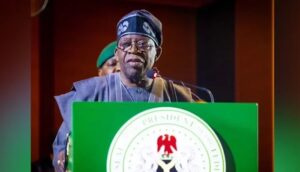
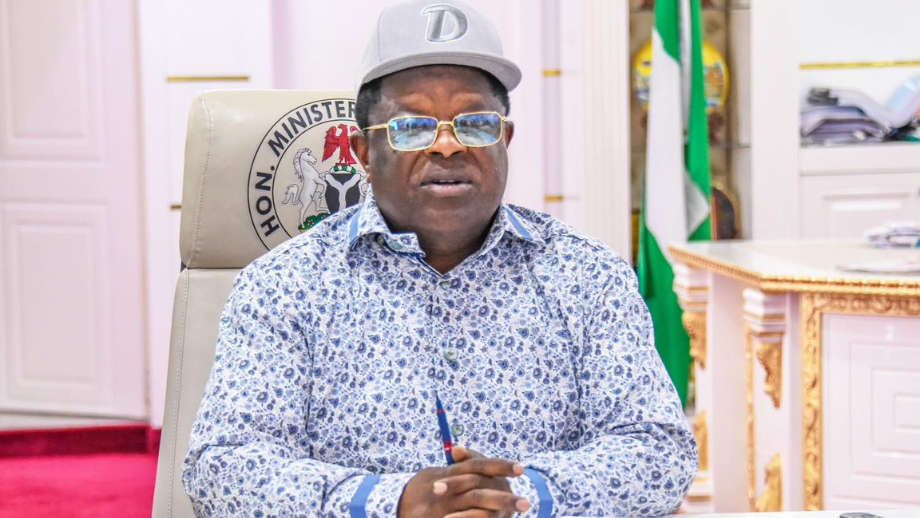
The approvals were announced by the Minister of Works, Senator David Umahi, on Wednesday after the Federal Executive Council (FEC) meeting presided over by President Bola Tinubu at the State House in Abuja.
The approved projects cover major road corridors in Abia, Kogi, Ekiti, Sokoto, Adamawa, Taraba and other locations, with individual contract sums ranging from ₦11.33 billion to ₦209 billion.
In addition to the new road contracts, the Council considered remedial works on deteriorated sections of the East-West Road, where flooding and the condition of older road infrastructure have created challenges.
Meanwhile, Nigeria and four other West African countries are working towards securing AfDB financing for their respective sections of the proposed Lagos-Abidjan highway, a regional transport corridor expected to improve connectivity and facilitate trade across the participating countries.
Federal Government Approves Eight Road Projects Worth ₦594.49 Billion
The latest FEC approvals form part of the Federal Government’s ongoing efforts to develop road infrastructure and improve transport connections across the country.
Briefing journalists after the meeting, Umahi outlined the projects approved by the Council and provided details of their locations, contract values and construction components.
The projects include road construction, reconstruction and the development of supporting infrastructure such as bridges and a flyover.
According to the minister, the contracts cover routes that could improve connections between communities, facilitate the movement of goods and passengers, and strengthen links between different parts of the country.
The largest of the listed contracts is the ₦209 billion Ado-Ekiti-Ijan-Ilumoba-Ikole Road in Ekiti State, while the smallest is the ₦11.33 billion third phase of the Umuahia-Bende-Afikpo Road project in Abia State.
Here is a breakdown of the eight approved projects.
Breakdown of the Eight Approved Road Contracts
| Road project | Approved amount |
|---|---|
| Amaseri Road, Ishagu to Otakot | ₦20.257 billion |
| Umuahia-Bende-Afikpo Road, Phase Three | ₦11.33 billion |
| E2K-Okey-Ampa-Otopa Road, Kogi State | ₦160 billion |
| Ado-Ekiti-Ijan-Ilumoba-Ikole Road | ₦209 billion |
| Sokoto-Illela Road, Route A1 | ₦28.218 billion |
| Adamawa-Taraba connecting road | ₦62 billion |
| Bichi Ring Road | ₦89.2 billion |
| Dikko-Maje link road | ₦14.486 billion |
The eight contracts cover a range of road infrastructure needs, from relatively short connecting routes to major reconstruction projects involving bridges and other structures.
1. ₦20.257 Billion for Amaseri Road
The Council approved ₦20.257 billion for the construction of the 18-kilometre Amaseri Road, stretching from Ishagu to Otakot on the Enugu Expressway.
The project is intended to improve road connectivity along the designated corridor and provide an upgraded route for motorists and other road users.
2. ₦11.33 Billion for Umuahia-Bende-Afikpo Road
FEC approved ₦11.33 billion for the third phase of the Umuahia-Bende-Afikpo Road project in Abia State.
The contract covers approximately five kilometres remaining under the Federal Government’s responsibility.
Umahi explained that the project had previously received funding through the Nigerian National Petroleum Company Limited’s tax-credit scheme. However, construction stalled after the funding arrangement was discontinued.
The project was subsequently rescoped, with the Abia State Government taking responsibility for another 43 kilometres.
The latest approval is intended to address the remaining section assigned to the Federal Government.
3. ₦160 Billion for Kogi Road Reconstruction
In Kogi State, the Council approved ₦160 billion for the reconstruction of the 95-kilometre E2K-Okey-Ampa-Otopa Road.
The project represents one of the largest reconstruction contracts among the newly approved works.
Reconstruction projects of this scale are intended to address existing road conditions and improve the quality of transport infrastructure along the affected routes.
4. ₦209 Billion for Major Ekiti Road Project
The Ado-Ekiti-Ijan-Ilumoba-Ikole Road received the largest allocation among the eight approved projects, with FEC approving ₦209 billion for the 81.1-kilometre route.
The project also includes the construction of a bridge.
Umahi disclosed that the contract had been awarded to CBC.
The road is expected to improve connectivity along the designated corridor in Ekiti State, while the bridge component forms part of the infrastructure planned under the contract.
5. ₦28.218 Billion for Sokoto-Illela Road
The Council approved ₦28.218 billion for the 17-kilometre Sokoto-Illela Road, Route A1.
The contract was awarded to Kespeko Global Limited.
The project forms part of the government’s wider programme of road construction and improvement across different parts of Nigeria.
6. ₦62 Billion for Adamawa-Taraba Connecting Road
FEC also approved ₦62 billion for a 30-kilometre road connecting Adamawa and Taraba states.
The project includes the construction of five bridges, making the supporting structures an important part of the contract.
According to Umahi, the contract was awarded to WeChina Nigeria Limited.
The road is intended to strengthen connections between the two states and improve movement along the designated route.
7. ₦89.2 Billion for Bichi Ring Road
The Council approved ₦89.2 billion for the 47-kilometre Bichi Ring Road.
The project includes a flyover, with Lara Lake named as the contractor.
The ring road and flyover components form part of the planned infrastructure works, which are intended to improve road connectivity along the project corridor.
8. ₦14.486 Billion for Dikko-Maje Link Road
The final project is the eight-kilometre Dikko-Maje link road, which connects to the Suleja-Minna Road.
FEC approved ₦14.486 billion for the project and named MW Resources Limited as the contractor.
The link road is intended to strengthen connections with the existing Suleja-Minna route and improve access along the designated corridor.
Federal Government Plans Remedial Works on East-West Road
Beyond the eight new contracts, the Federal Executive Council considered remedial interventions on deteriorated sections of the East-West Road.
Umahi attributed the deterioration in some areas to the age of the original construction and the fact that certain road sections were built at levels below current flood levels.
The conditions have contributed to problems affecting the road, making remedial intervention necessary.
According to the minister, the planned works are intended to address the affected sections and improve the road’s resilience against flooding.
The condition of the East-West Road highlights the importance of maintaining existing infrastructure alongside the construction of new roads.
While new projects can expand the road network, deteriorating routes may require targeted repairs and other interventions to preserve their usefulness and improve safety for motorists.
Details of the remedial works, including their final cost and implementation schedule, were not provided in the announcement.
Nigeria Seeks AfDB Financing for Lagos-Abidjan Coastal Highway
Alongside the domestic road approvals, the Federal Government is pursuing financing from the African Development Bank for the proposed 1,028-kilometre Lagos-Abidjan highway.
The regional project is expected to connect Nigeria, Benin Republic, Togo, Ghana and Côte d’Ivoire through an upgraded transport corridor.
Umahi disclosed that ministers responsible for road infrastructure in the five countries would meet on Friday to discuss financing arrangements for their respective sections of the project.
He said he would chair the meeting, which is expected to focus on how the participating countries could access AfDB support.
Under the proposed arrangement, the bank would provide financing to the individual countries for the development of their respective sections of the transnational highway.
However, the financing arrangements have not been finalised and remain subject to further discussions and the bank’s funding processes.
The proposed meeting is therefore an important step in efforts to determine how the regional project could be financed and implemented across the participating countries.
How the 1,028-Kilometre Highway Will Be Shared Among Five Countries
According to the figures provided by Umahi, the proposed highway will cover the following distances:
- Nigeria: 79 kilometres, from Tincan Island in Lagos to the Seme border with Benin Republic.
- Benin Republic: 128 kilometres.
- Togo: 89 kilometres.
- Ghana: 576 kilometres.
- Côte d’Ivoire: 155 kilometres.
The combined route is intended to improve road connections across the five countries and make the movement of people and goods more efficient.
By linking major transport corridors across national borders, the highway could support regional trade and strengthen economic integration.
Its potential benefits would depend on the development of the individual sections, the availability of financing and coordination among the participating governments.
Because the project crosses several national jurisdictions, cooperation on funding and implementation will be essential to delivering a connected transport corridor.
What the Road Approvals Mean for Nigeria’s Infrastructure Plans
The approval of eight road contracts worth ₦594.49 billion, together with proposed remedial works on the East-West Road, underscores the government’s focus on both new construction and the improvement of existing infrastructure.
The projects span several states and include major reconstruction contracts, connecting roads, bridges and a flyover.
At the regional level, efforts to secure AfDB financing for the Lagos-Abidjan highway could provide a framework for developing a major transport corridor linking five West African countries.
Nevertheless, the practical impact of these initiatives will depend on implementation, funding arrangements and the timely completion of the approved works.
For the domestic projects, attention will turn to construction progress and the delivery of the contracted infrastructure. For the Lagos-Abidjan highway, the immediate priority remains the financing discussions involving Nigeria and its four regional partners.
Together, the initiatives form part of a broader effort to improve transport connectivity within Nigeria and strengthen links across West Africa.