The National Policing Bill is expected to be transmitted to the National Assembly within the next two weeks, as the Federal Government moves closer to advancing proposed reforms to Nigeria’s policing system.
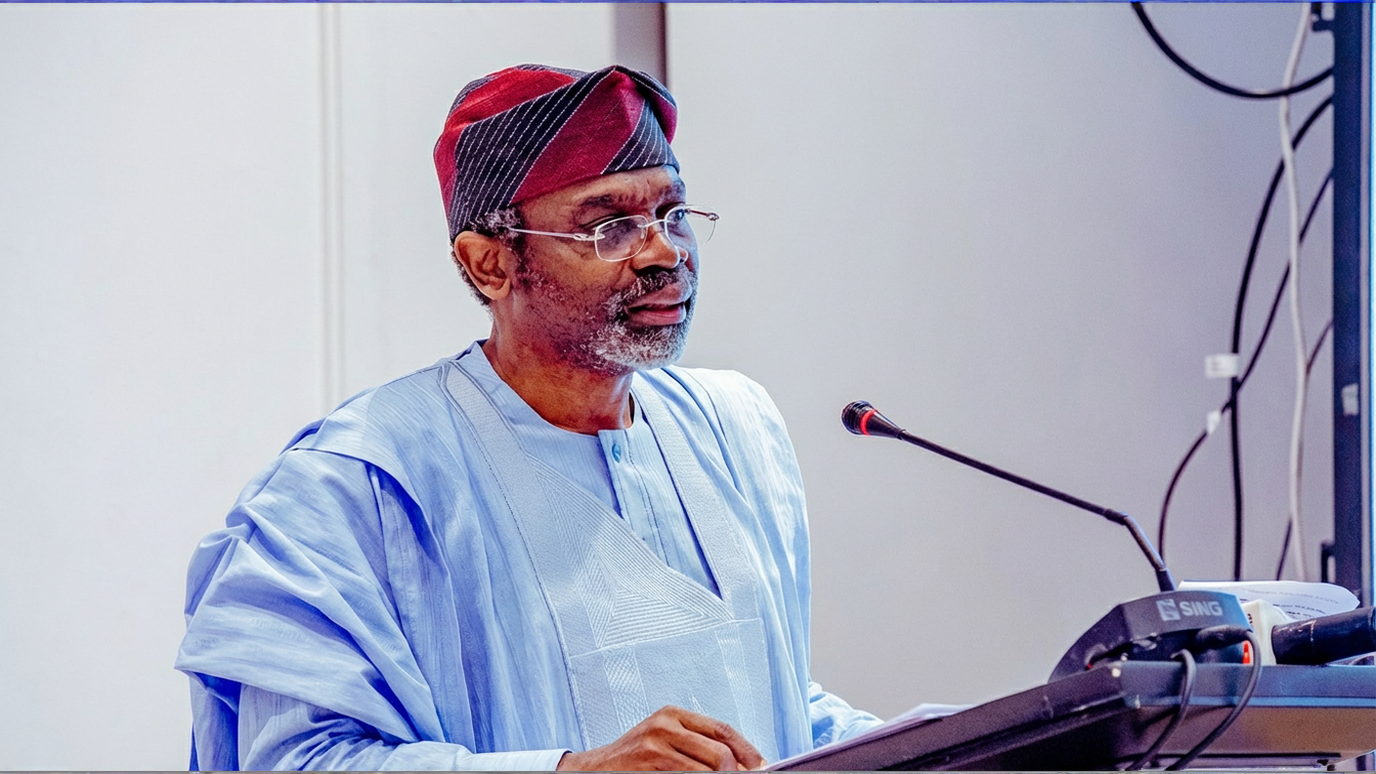
The Chief of Staff to President Bola Tinubu, Femi Gbajabiamila, disclosed this on Thursday after a meeting of the steering committee on the bill at the State House in Abuja.
Gbajabiamila, who chairs the Working Group for the National Policing Bill, said the proposed legislation was approximately 90 per cent ready, with only a few outstanding issues requiring attention before it could be sent to lawmakers.
He explained that the committee might hold one additional meeting to review the remaining details and address observations raised by state governors.
The development comes amid ongoing discussions about police reform and the proposed constitutional amendment to allow states to establish their own police forces.
Speaking to journalists after the meeting, Gbajabiamila expressed confidence that the remaining work would be completed soon, paving the way for the bill’s transmission to the National Assembly.
National Policing Bill 90% Ready for Submission
Providing an update on the legislative process, Gbajabiamila said the working group had made substantial progress and was approaching the final stage of preparing the bill.
According to him, the committee would likely meet once more to ensure that all relevant provisions had been properly reviewed before the document was submitted to the legislature.
“The National Policing Bill is more or less ready for transmission to the National Assembly,” he said.
He added that the final meeting would focus on reviewing outstanding details and ensuring that no important areas had been overlooked.
“We will probably have one more meeting after this to cross the t’s and dot the i’s and make sure every area is covered. So, we are 90% ready,” Gbajabiamila stated.
The presidential chief of staff also disclosed that state governors had raised one or two observations that needed to be addressed before the process could move forward.
“The governors have one or two observations, and we should be ready in about a week or so,” he said.
Although the committee expressed confidence in the timeline, the bill had not yet been transmitted to the National Assembly at the time of the announcement.
The next steps will depend on the completion of the remaining consultations and the resolution of the outstanding issues identified during the committee’s deliberations.
Tinubu’s Chief of Staff Calls Bill Most Consequential of Administration
Gbajabiamila described the proposed legislation as one of the most significant policy initiatives undertaken by the Tinubu administration so far.
He referred to it as “the most consequential Bill of the administration so far,” underscoring the importance the working group attaches to the proposed changes to Nigeria’s policing framework.
According to him, the bill has undergone extensive deliberations over several weeks, with the steering committee beginning its discussions on August 3, 2026.
The consultations have involved government officials, state representatives, security authorities, legal experts and other stakeholders tasked with examining the proposed framework.
The process is intended to ensure that the legislation receives careful consideration before being presented to lawmakers for further scrutiny.
However, Gbajabiamila did not provide a detailed breakdown of the bill’s provisions during Thursday’s briefing. The specific recommendations, institutional arrangements and implementation measures contained in the proposed legislation were not outlined in the statement.
The committee’s immediate priority, he indicated, was to conclude its work and prepare the document for formal transmission.
Once submitted, the bill would enter the National Assembly’s legislative process, where lawmakers would have the opportunity to examine its provisions and determine the next steps.
State Police Amendment: Gbajabiamila Expresses Confidence in Consensus
Alongside the National Policing Bill, discussions also touched on the Sixth Constitution Alteration Bill concerning the establishment of state police.
Gbajabiamila was asked whether some state governments might delay or reconsider their positions on the constitutional amendment, particularly amid reports that only about six states had passed the proposed amendment out of the 36 states and the Federal Capital Territory.
In response, he expressed confidence that there was broad national support for the proposed constitutional changes.
He said there was a “national consensus” among Nigerians on the need for the amendments and questioned why anyone would want to reconsider the proposal.
“I see no reason why anyone will want to have a rethink on it,” he said.
His remarks reflected his confidence that the constitutional amendment would continue to receive support as the process moved forward.
Nevertheless, the reported number of states that had passed the amendment highlighted the distinction between broad political support for reform and the formal steps required to amend the Constitution.
The constitutional amendment process involves requirements that must be satisfied by the relevant legislative institutions. Consequently, the eventual establishment of state police would depend on the completion of the prescribed constitutional procedures.
Gbajabiamila did not provide a new timetable for the remaining states to consider or approve the amendment.
Governors, Police Chief Attend State House Meeting
Thursday’s steering committee meeting brought together senior government officials, governors, police leadership and representatives of legal and security institutions.
Those in attendance included AbdulRahman AbdulRazaq, chairman of the Nigeria Governors’ Forum and governor of Kwara State; Dapo Abiodun, governor of Ogun State; and Uba Sani, governor of Kaduna State.
The Inspector-General of Police, Tunji Disu, also participated in the meeting.
The Attorney-General of the Federation and Minister of Justice was represented by Beatrice Jedy-Agba, the Solicitor-General and Permanent Secretary of the Federal Ministry of Justice.
Other participants included retired Justice Abdullahi Liman, chairman of the Policy Advisory Committee, and Professor Olu Ogunsakin, head of the Nigeria Police Reform Secretariat.
Dr Lanre Smart, special adviser to the president on National Assembly matters for the House of Representatives, was also among those present.
Nnadubem Moghalu, senior special assistant to the president on planning and research, attended in his additional capacity as secretary of the committee.
Representatives of the Nigerian Bar Association and the Office of the National Security Adviser also participated. AIG Abraham Nabhon Thomas represented the National Security Adviser.
The broad representation reflected the involvement of federal and state authorities, law enforcement leadership and legal stakeholders in the ongoing deliberations.
The meeting provided an opportunity to review the progress made on the bill and address issues requiring further consideration before submission to the National Assembly.
What Happens After the Bill Is Transmitted?
The planned transmission of the National Policing Bill would mark an important transition from committee-level deliberations to the formal legislative process.
Once the document reaches the National Assembly, lawmakers will be responsible for examining its provisions and considering the legislative action required.
The proposed bill should also be distinguished from the constitutional amendment relating to state police. Although both concern policing reform, they are separate processes with different legal requirements.
The National Policing Bill is being prepared for submission to lawmakers, while the Sixth Constitution Alteration Bill requires the prescribed constitutional amendment procedure to be completed.
Gbajabiamila’s announcement suggests that the working group is nearing the end of its preparatory work, although the final submission remains dependent on resolving outstanding observations and completing the remaining consultations.
No formal transmission had been announced at the time of Thursday’s briefing.
Federal Government Moves Closer to Major Policing Reform
The expected submission of the National Policing Bill comes as the Tinubu administration continues discussions on changes to Nigeria’s policing structure.
By bringing together governors, federal officials, police leadership and legal representatives, the working group has sought to advance consultations before the legislation reaches the National Assembly.
Gbajabiamila’s estimate that the bill was 90 per cent ready, together with his indication that another meeting might be necessary, points to a process approaching its final preparatory stage.
The proposed two-week timeline, however, remains an expectation rather than confirmation that the bill has already been submitted.
Attention will now focus on whether the committee resolves the outstanding observations within the stated period and transmits the legislation as anticipated.
The subsequent legislative process, alongside progress on the constitutional amendment for state police, will determine how the proposed reforms advance.