
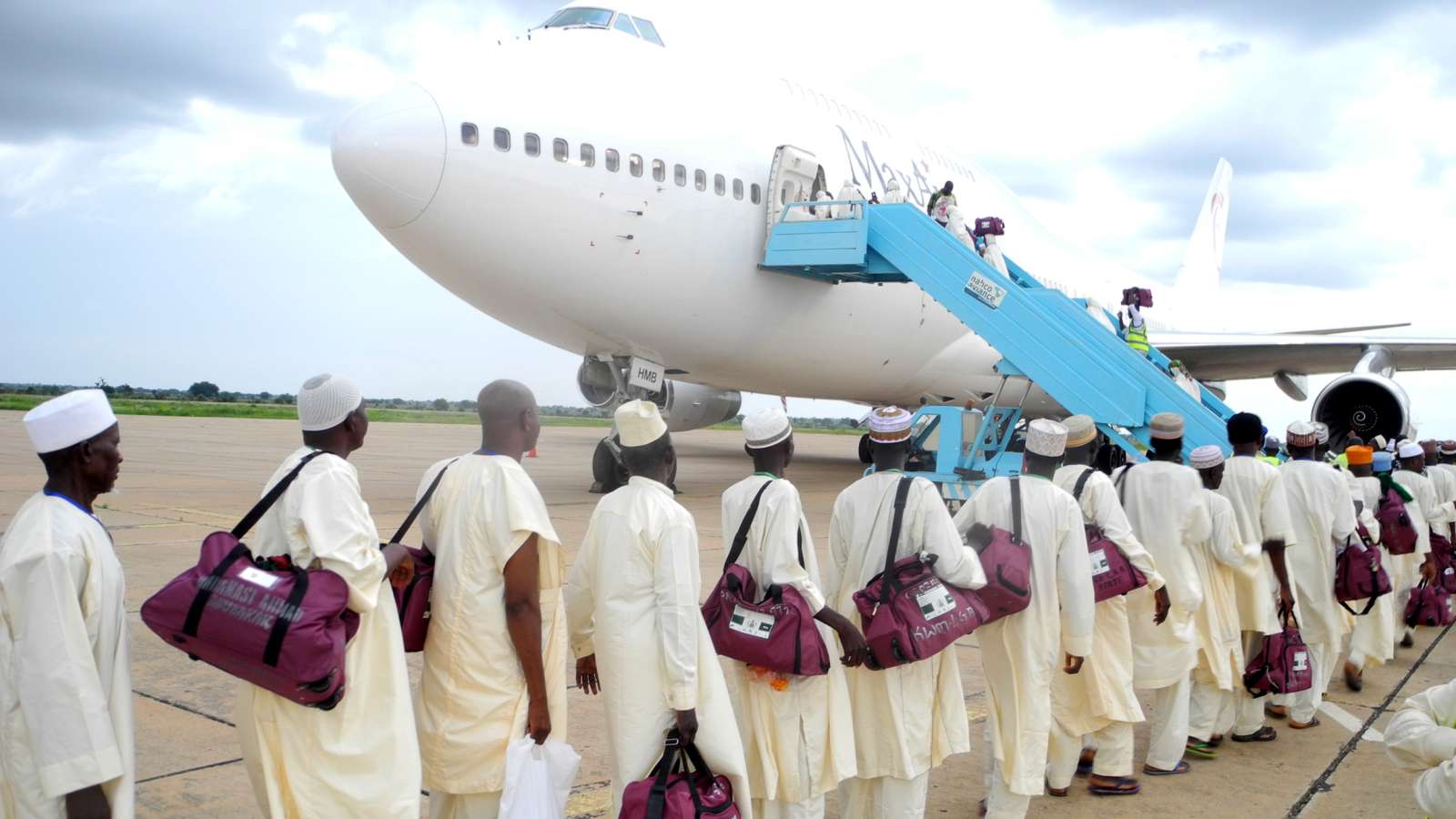
Nigeria has begun early preparations for the 2027 Hajj airlift, with aviation and pilgrimage authorities reviewing previous operations and seeking to resolve recurring challenges before thousands of Nigerian pilgrims travel to Saudi Arabia.
The Nigeria Civil Aviation Authority (NCAA) has brought together key aviation, meteorological and Hajj stakeholders as part of efforts to ensure safer, more efficient and better-coordinated airlift operations for the 2027 pilgrimage.
The stakeholders’ meeting, held at the NCAA corporate headquarters in Abuja, brought together representatives of the National Hajj Commission of Nigeria (NAHCON), the Nigerian Meteorological Agency (NiMet), the Nigerian Airspace Management Agency (NAMA) and airlines expected to participate in the Hajj airlift.
Participating carriers included Saudi Air, Flynas, Air Peace, Max Air and Umza Air.
The meeting focused on lessons from the previous Hajj operation, outstanding challenges and measures that could improve coordination among agencies, airlines and other parties involved in transporting Nigerian pilgrims.
NCAA Begins Review Ahead of 2027 Hajj
Representing the Director-General of Civil Aviation, Capt. Chris Najomo, the Director of Aerodrome and Airspace Standards and chairman of the committee, Alhaji Ahmad Abba, said the NCAA remained committed to working with stakeholders to strengthen preparations for the next Hajj airlift.
The review is intended to identify weaknesses in previous operations and address them well before the 2027 pilgrimage begins.
Early coordination is particularly important for Hajj operations because the exercise involves large numbers of passengers travelling within a relatively concentrated period, requiring close cooperation between airlines, airport authorities, air navigation agencies, meteorological services and pilgrimage administrators.
The NCAA said its objective is to support safe, efficient and successful Hajj airlift operations while ensuring that lessons from previous years are incorporated into future planning.
NAHCON Highlights Changes to 2027 Hajj Arrangements
The meeting also provided an opportunity for NAHCON to brief stakeholders on developments affecting the organisation of the 2027 pilgrimage.
The Commission’s Commissioner of Operations, Inspectorate and Licensing, Prince Anofi Olanrewaju Elegushi, outlined some of the major challenges experienced during the previous Hajj operations.
He also provided an update on a new Saudi government policy under which approximately 98 per cent of pilgrims could be allocated to tour operators.
The proposed arrangement could have significant implications for the organisation of future Hajj operations, including the coordination of pilgrim transportation and the responsibilities of operators involved in the process.
Elegushi also discussed the proposed allocation of Nigerian states to airlines participating in the 2027 Hajj airlift.
The information is expected to help airlines and other stakeholders plan capacity, aircraft deployment and operational requirements ahead of the pilgrimage.
Safety and Coordination Remain Central
The involvement of the NCAA, NAMA and NiMet reflects the importance of aviation safety and operational coordination during the Hajj period.
Air navigation services, weather information, airport operations and airline scheduling all have to work together to ensure pilgrims can be transported efficiently.
Weather information is particularly important for aviation planning, while airspace management and airport coordination can help reduce operational disruptions.
By bringing these agencies together early, authorities can identify potential bottlenecks before the airlift begins.
For pilgrims, the ultimate objective is straightforward: a journey that is safe, well-organised and as comfortable as possible.
Emir of Zazzau Calls for Greater Transparency
While aviation stakeholders were reviewing the airlift arrangements, the Emir of Zazzau, Ambassador Ahmed Nuhu Bamalli, called on NAHCON to continue improving efficiency and transparency in the administration of Hajj operations.
The monarch made the call during a visit to NAHCON Chairman and Chief Executive Officer, Ambassador Ismail Abba Yusuf, at the Commission’s headquarters in Abuja.
Bamalli pledged the support of the traditional institution to the Commission and emphasised the importance of collaboration among stakeholders in delivering a smoother Hajj experience for Nigerian pilgrims.
He said the traditional institution also had an important role to play in mobilising and sensitising intending pilgrims ahead of the annual pilgrimage.
Early Planning Could Reduce Recurring Problems
The Emir commended NAHCON’s efforts to reform Hajj administration, noting that the logistical demands of transporting and catering for tens of thousands of pilgrims require careful planning, transparency and strong coordination.
He urged the Commission to maintain its focus on early preparation, structural efficiency and transparent communication.
According to the monarch, the welfare of pilgrims must remain central to the administration of the pilgrimage.
“Hajj is a significant spiritual journey, and the comfort, safety and well-being of our people while fulfilling this religious obligation must remain paramount,” he said.
His comments highlight one of the recurring issues surrounding large-scale pilgrimage operations: preparations must begin well before pilgrims arrive at airports.
Delays in transportation, accommodation, feeding and communication can significantly affect the experience of pilgrims, making early coordination critical.
Traditional Institutions to Support Pilgrim Mobilisation
Bamalli also emphasised the role of traditional institutions in preparing intending pilgrims.
The Zazzau Emirate and other traditional authorities can help communicate important information to prospective pilgrims and support efforts to ensure they understand the requirements and procedures associated with the pilgrimage.
He said the traditional institution was prepared to offer its prayers, counsel and support to NAHCON as the Commission prepares for the next Hajj.
The collaboration could also strengthen communication between Hajj administrators and communities across the country.
NAHCON Outlines Digital and Policy Reforms
Responding to the Emir, NAHCON Chairman Ismail Abba Yusuf expressed appreciation for the visit, describing it as an encouragement to the Commission’s management and staff.
Yusuf briefed the monarch on recent policy frameworks, digital initiatives and strategic partnerships being developed to improve Hajj administration.
According to the chairman, the initiatives are aimed at reducing the cost of Hajj operations, improving accommodation and feeding arrangements and streamlining the airlift of pilgrims.
Digitalisation is expected to play an increasingly important role in these efforts as authorities seek to improve coordination and make Hajj administration more efficient.
The chairman also assured the Emir that the Commission would consider the concerns and recommendations raised during the meeting.
2027 Hajj Preparations Begin Earlier
The latest engagements indicate that Nigeria is moving to begin its 2027 Hajj preparations well ahead of the pilgrimage season.
The involvement of aviation regulators, airlines, airspace managers, weather experts, Hajj administrators and traditional institutions reflects the complex nature of organising the annual pilgrimage.
For the NCAA, the priority is ensuring that the aviation component is safe and properly coordinated.
For NAHCON, the wider challenge includes managing the logistics and welfare of pilgrims while implementing reforms designed to improve efficiency and reduce costs.
For traditional institutions and other stakeholders, the focus includes mobilisation, sensitisation and communication with intending pilgrims.
Focus Shifts to a More Efficient Hajj Operation
The early review of previous operations provides an opportunity for authorities to address problems before they are repeated.
With proposed changes to Saudi Arabia’s Hajj arrangements and new considerations around tour operators and airline allocations, stakeholders will need to maintain close communication throughout the planning process.
The success of the 2027 Hajj airlift will ultimately depend on how effectively the various agencies and private-sector operators work together.
The NCAA has reaffirmed its commitment to aviation safety, while NAHCON has pledged to continue improving the administration of the pilgrimage.
For Nigerian pilgrims, the expectation is that these preparations will translate into a smoother journey, better services and greater transparency throughout the Hajj process.
With planning already underway, the coming months will be critical for turning the lessons of previous operations into practical improvements for the 2027 Hajj pilgrimage.