
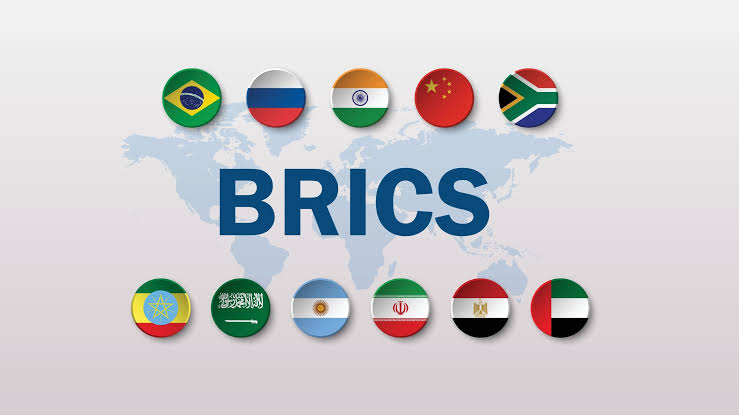
BRICS wants trade to become cheaper, faster, and less dependent on currency conversion. But that does not mean the bloc is preparing to launch its own currency.
Instead, member countries are working on ways to use their existing national currencies more often when settling trade between one another.
That distinction matters.
A Practical Shift in How BRICS Trades
At the 18th BRICS Summit in New Delhi, India’s Secretary of Economic Relations, Sudhakar Dalela, said members were continuing discussions on local-currency settlement.
The goal is straightforward: make cross-border trade easier while reducing the costs associated with currency conversion and payment processing.
For businesses trading across BRICS economies, those costs can add friction to otherwise routine transactions. Local-currency arrangements could provide another way to settle bilateral trade without relying exclusively on existing international payment channels.
Dalela described the approach as a practical addition to the current global payments system, rather than a replacement for it.
What Local-Currency Settlement Could Change
The idea is not to create a single currency overnight.
Instead, BRICS members are examining bilateral arrangements and other payment mechanisms that could allow trading partners to settle transactions in their own currencies.
That could help the bloc:
- Lower transaction costs associated with currency conversion.
- Make bilateral trade more efficient by creating additional settlement options.
- Strengthen financial cooperation among member economies.
- Give businesses more flexibility when conducting cross-border transactions.
- Broaden engagement with the global business community.
The important point is that the process remains under discussion. BRICS has been exploring different mechanisms rather than announcing one unified payment system that all members must immediately adopt.
No Common BRICS Currency — For Now
This is where the story often gets misunderstood.
Despite years of speculation about a BRICS currency, Dalela made clear that there is currently no proposal to introduce a common or fixed BRICS currency.
The focus is instead on improving how existing currencies can be used in trade.
In other words, the bloc is exploring ways to work around some of the costs and complications of international settlements without replacing national currencies with a new BRICS-wide currency.
Why the Distinction Matters
A common currency would require a far deeper level of economic and financial integration among member states.
Local-currency settlement is a much narrower—and potentially more immediately practical—step.
That is why the distinction at the heart of “BRICS Pushes Local Currencies to Cut Trade Costs” is important: the current discussion is about payment flexibility, not a single BRICS currency.
For now, member countries are continuing to examine bilateral settlement arrangements and other payment mechanisms designed to make trade and financial cooperation more efficient.
The direction is clear. BRICS is looking for more ways to settle trade using the currencies its members already have—not to replace them with one new currency.