
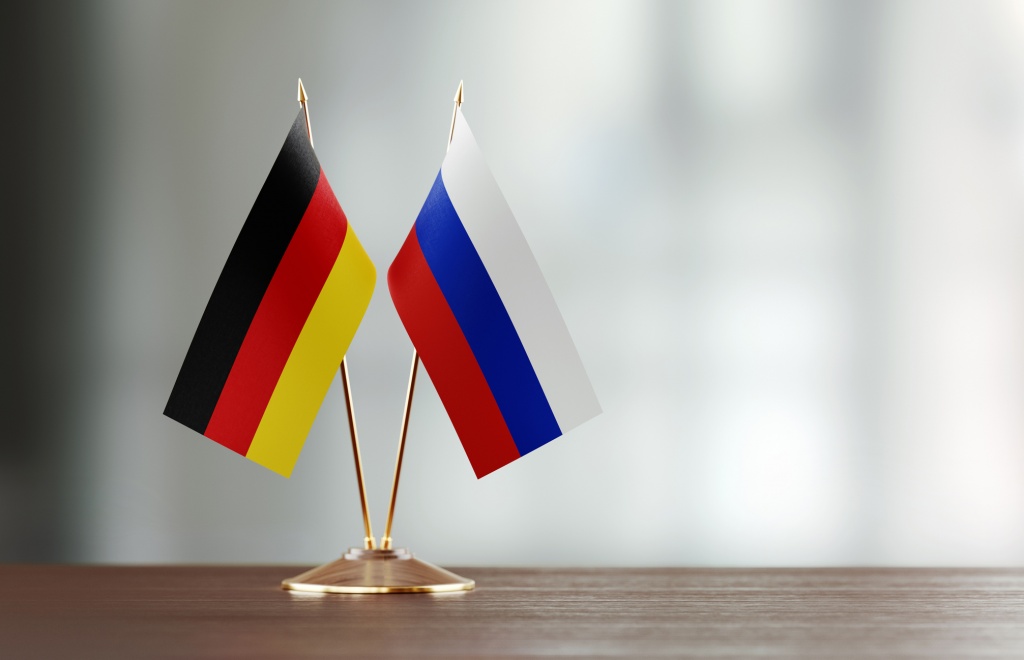
Germany is escalating its response to Russia after formally blaming Moscow for an attempted drone attack at Leipzig/Halle Airport.
Berlin has announced a package of diplomatic, security and economic measures against Russia, saying the August 4 incident was part of a wider campaign of hybrid warfare targeting Germany and other European countries.
Foreign Minister Johann Wadephul said Russia’s leadership had chosen to further damage already strained relations with Germany.
He said Berlin had repeatedly called for an end to Russia’s war against Ukraine and hoped eventually to restore constructive relations with Moscow. Instead, he argued, Russia had continued what Germany considers a campaign of destabilisation.
Russia Faces New German Measures
Germany’s response includes several diplomatic and security measures.
Berlin plans to:
- Close the Russian Consulate General in Bonn from September 18
- End the lease of the Russian House in Berlin
- Push for new European Union sanctions against individuals linked to suspected Russian hybrid attacks
- Tighten immigration controls for Russian nationals
- Increase pressure on Russia’s so-called shadow fleet
- Introduce additional intelligence and security measures
Germany has also ordered the Russian ambassador to be summoned and formally informed of Berlin’s position.
What Happened at Leipzig/Halle Airport?
The incident took place on August 4, 2026, when authorities discovered an explosive-laden drone at Leipzig/Halle Airport near a Ukrainian cargo aircraft.
The device was subsequently defused.
Airport runways were temporarily closed while security officials dealt with the threat.
For several weeks, German authorities investigated the incident without publicly identifying those responsible.
On September 1, however, Berlin said its investigations and intelligence assessments had led it to conclude that Russia was responsible.
Moscow has rejected the accusation.
Why Leipzig/Halle Matters
The airport is one of Germany’s major cargo and logistics hubs.
Its importance extends beyond ordinary commercial freight. Leipzig/Halle has also been used by large Ukrainian Antonov cargo aircraft, making the facility particularly significant in the wider logistics network supporting Ukraine.
An intentional disruption at such a location could therefore have consequences beyond the airport itself.
Germany Links Attack to Hybrid Warfare
Berlin says the Leipzig incident fits into a broader pattern of what it describes as Russian hybrid warfare.
Such activities can include:
- Sabotage
- Cyberattacks
- Espionage
- Disinformation
- Threats
- Disruption of critical infrastructure
Wadephul accused Russia of using these methods to create insecurity and weaken European resilience without entering into conventional military conflict.
Germany says it will respond by working more closely with NATO and European Union partners while strengthening its own security and deterrence capabilities.
Support for Ukraine Continues
Despite the diplomatic escalation, Germany says it will maintain its civilian and military support for Ukraine.
Wadephul also stressed that Berlin wants to prevent Russian actions from undermining Germany’s social cohesion or intimidating its population.
The message from Berlin is clear: Germany intends to confront what it sees as Russian aggression while keeping its response coordinated with its European and NATO allies.
Moscow Rejects Germany’s Claims
Russia has denied involvement in the Leipzig incident and described Germany’s accusation as unfounded.
Moscow has also warned that Berlin’s latest measures could further damage relations between the two countries.
The dispute adds another layer to an already deep breakdown in German-Russian relations following Russia’s full-scale invasion of Ukraine.
For Germany, however, the Leipzig incident has moved beyond an unresolved security investigation.
Berlin now says it has identified Russia as responsible—and has begun imposing consequences.