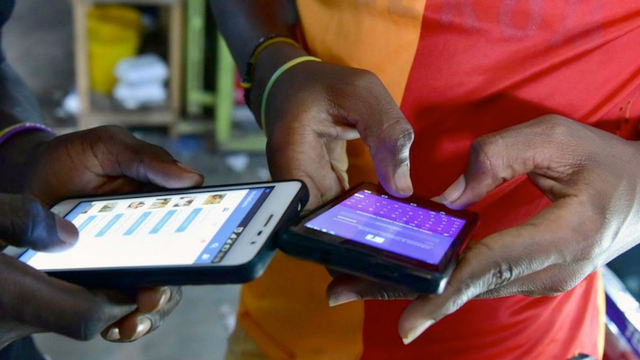
Nigeria is moving deeper into a mobile-first economy, with smartphone adoption climbing sharply and changing how consumers communicate, shop, manage money, work and access digital services.
New findings from the Nigeria Smartphone Study: A Nationwide Analysis of Smartphone Ownership and Digital Application Usage show that smartphone penetration has risen to 75 percent, up from 64 percent in 2023. The increase highlights a continuing shift away from traditional feature phones toward internet-connected devices and app-based services.
For businesses, the change represents more than a rise in device ownership. It points to a rapidly evolving digital marketplace in which understanding what consumers install, use and expect from their smartphones could become increasingly important.
Smartphone adoption is accelerating across Nigeria
The latest study, conducted by KPMG in partnership with Orange Group Nigeria, provides an overview of smartphone ownership and application usage among Nigerian consumers.
Smartphones are increasingly becoming central to everyday life. Consumers are using them not only for calls and messaging, but also for financial transactions, entertainment, education, productivity and other online activities.
That expanding role is creating new opportunities for companies operating in Nigeria’s digital economy. As more consumers gain access to internet-enabled devices, businesses have a larger potential audience for mobile applications, digital payments, online commerce and other technology-driven services.
Lawrence Amadi, Partner and Head of Technology, Media & Telecommunications at KPMG Africa, said the study was intended to help businesses and investors better understand consumer behaviour and preferences.
According to Amadi, the research can help companies and other stakeholders making investment decisions in Nigeria identify how consumers are using smartphones and what they expect from digital services.
The objective, he explained, is to provide information that can support more informed decisions while contributing to the continued development of Nigeria’s digital ecosystem.
Consumer data is becoming a strategic advantage
The importance of understanding digital consumers was illustrated by Amadi through the example of Temu’s entry into the Nigerian market.
He pointed to the company’s use of consumer information and online feedback to understand an existing e-commerce environment that already included established platforms such as Jumia and Konga.
According to Amadi, customer reviews, social media comments and other available information can reveal the problems consumers experience with existing services. Companies can then use those insights when developing their own market strategies.
The example underscores a broader shift in Nigeria’s digital economy: simply having an online presence may no longer be enough. Businesses increasingly need to understand how consumers behave on their devices, which applications they use and where existing services may be falling short.
Android dominates Nigeria’s smartphone market
The study also reveals a striking concentration within Nigeria’s smartphone operating-system market.
Android accounts for 96 percent of smartphones covered by the study, making it by far the dominant mobile operating system among surveyed users.
At the individual brand level, Tecno holds the largest share at 30 percent.
The figures offer an important glimpse into the devices Nigerians are using to access the country’s expanding digital ecosystem. For businesses developing mobile services, understanding the hardware and operating-system landscape can be an important part of reaching consumers effectively.
The findings also demonstrate that smartphone adoption is not simply about the number of people owning internet-enabled devices. The applications installed on those devices provide another window into how Nigerians are using mobile technology.
WhatsApp, Facebook and TikTok lead social and messaging apps
Social media and messaging applications have become deeply embedded in smartphone use across Nigeria.
WhatsApp is installed on 95 percent of smartphones surveyed, giving it the highest penetration among the social and messaging platforms examined in the study.
Facebook follows with 87 percent, while TikTok has reached 70 percent.
The figures demonstrate the importance of smartphones as tools for communication and social interaction. They also point to the growing role mobile platforms can play in how consumers discover information, engage with brands and spend their digital time.
For businesses, the widespread presence of these applications creates multiple channels through which consumers can encounter content, communicate with companies and interact with digital services.
Mobile money and fintech are becoming everyday tools
The growth of smartphone ownership is also closely connected to the expansion of digital financial services.
Among the fintech applications identified in the study, OPay has a 69 percent penetration rate among smartphone users. PalmPay follows with 29 percent.
The figures highlight how smartphones are increasingly being used for activities that once depended heavily on physical cash or traditional banking channels.
Mobile payments and financial applications have become an important part of the digital consumer experience, giving users the ability to carry out financial activities directly from their phones.
The high presence of fintech applications also illustrates why smartphone adoption matters beyond telecommunications. As consumers become more comfortable using mobile devices for financial transactions, smartphones increasingly function as gateways to a wider range of digital services.
Smartphones are becoming productivity and file-sharing hubs
The study found that smartphone usage extends well beyond messaging, social media and financial services.
Xender appears on 77 percent of smartphones surveyed, making it the most prominent application identified for file sharing. Google Drive has a penetration rate of 31 percent.
These figures point to another important development: smartphones are increasingly being used as practical tools for managing information and completing everyday tasks.
Whether consumers are transferring files, storing documents or accessing digital resources, mobile devices are becoming more deeply integrated into work and personal productivity.
That evolution is also reflected in growing awareness and usage of artificial intelligence tools such as ChatGPT and Google Assistant.
The increasing presence of AI tools suggests that smartphones are gradually evolving from communication devices into broader platforms for learning, work, information access and digital productivity.
Young consumers and affordability are driving digital transformation
Ernest Ezenna, Business Development Director at Orange Group Nigeria, attributed Nigeria’s continuing digital transformation to several factors, including the country’s young population, improving internet connectivity and increasing smartphone affordability.
Together, these factors are helping expand access to mobile technology and supporting the growth of digital services.
As smartphones become more accessible, the potential audience for mobile-first businesses also expands. At the same time, consumers’ expectations are likely to evolve as they become familiar with a wider range of applications and digital experiences.
For companies entering or expanding within Nigeria, that makes consumer behaviour an increasingly important consideration.
Study aims to provide a clearer picture of smartphone usage
The research is not entirely new. Adetola Adesanoye, Research Lead at Orange Group Nigeria, said the first edition of the study was launched in 2019 to provide insights into smartphone ownership and usage.
The research is planned as a biennial exercise covering multiple cities, allowing the organisations involved to continue tracking changes in consumer behaviour over time.
An important feature of the survey process was the effort to verify respondents’ answers rather than relying solely on what participants reported.
Adesanoye said researchers confirmed that respondents actually had the applications they identified installed on their smartphones.
That verification process was designed to strengthen the reliability of the findings and provide a more accurate picture of actual application usage.
What Nigeria’s smartphone growth means for businesses
The latest figures show that Nigeria’s smartphone market is developing into an increasingly important part of the country’s wider digital economy.
The rise from 64 percent smartphone penetration in 2023 to 75 percent represents a substantial expansion in access to internet-enabled mobile technology. At the same time, the high usage rates recorded for messaging, social media, fintech, file-sharing and productivity applications reveal how extensively smartphones are being integrated into everyday life.
For businesses, the opportunity extends beyond simply creating a mobile application. Companies will need to consider consumers’ preferences, device ownership, affordability and the applications they already rely on.
The findings also reinforce the value of consumer research. As Nigeria’s mobile economy expands, companies that understand how people use their smartphones can better identify opportunities to develop services around existing habits and unmet needs.
Nigeria’s smartphone boom is therefore about more than the devices themselves. It reflects a broader transformation in how consumers communicate, manage money, access information and carry out everyday activities.
With smartphone penetration continuing to rise, the mobile phone is becoming an increasingly important gateway to Nigeria’s digital economy—and businesses are taking notice.